Adding decorations without making space for them
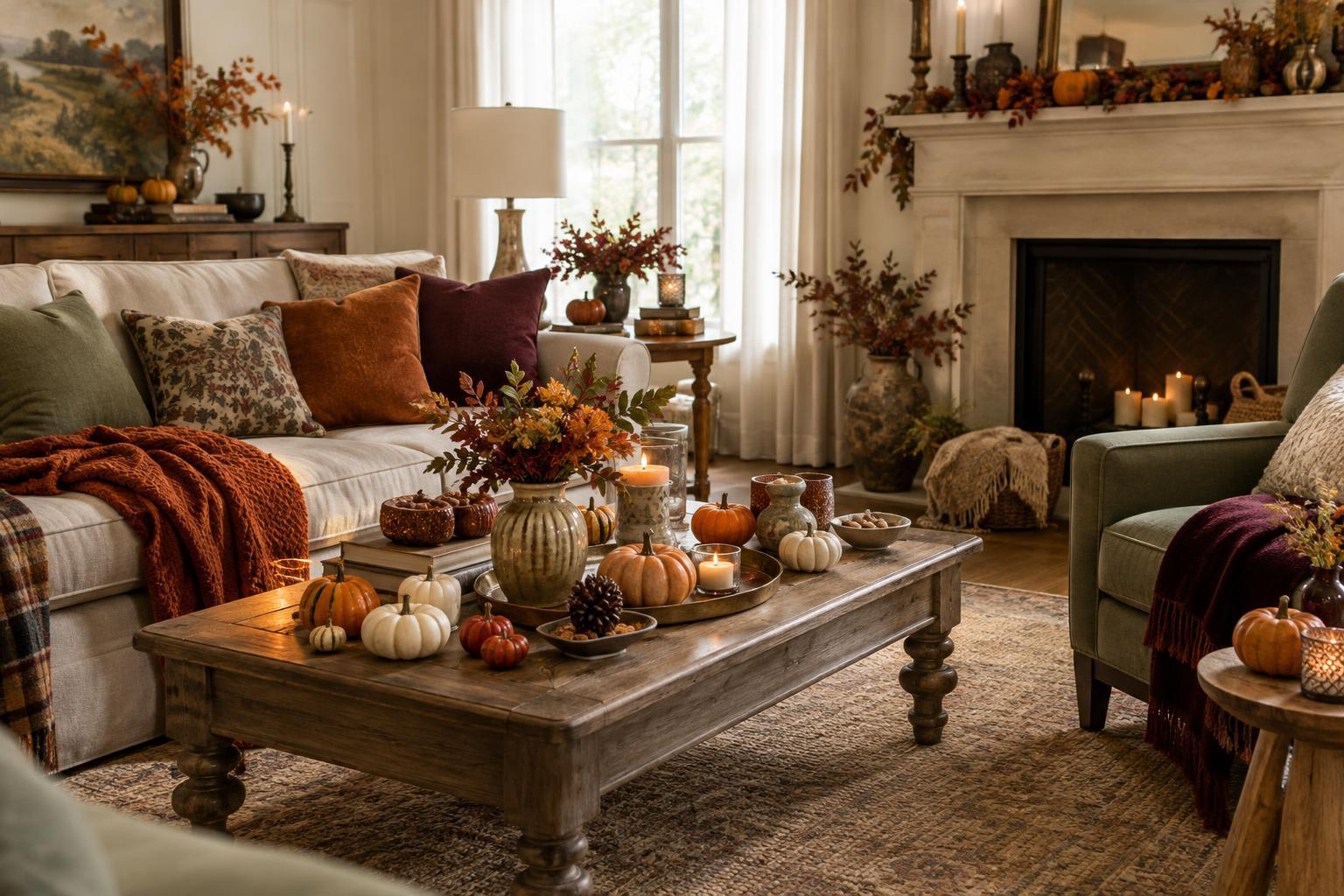
A common seasonal decorating mistake is treating every new object as an addition rather than a replacement. A mantel that already holds framed photos, a lamp, candles, and a vase may not have room for a garland and several seasonal figures. Nothing is wrong with the individual pieces, but together they can make it difficult to see what matters.
Before decorating, clear the surfaces you plan to use. Set aside a few everyday accessories, then add seasonal pieces one at a time. You do not need to empty the room: keeping a familiar lamp or favorite bowl can help the display feel connected to the rest of your home. When the season ends, the stored pieces can return without requiring a complete room reset.
Spreading small accents across every surface
Small ornaments are easy to pick up and easy to place almost anywhere. A cluster on the coffee table, another on a shelf, and a few more along the windowsill can gradually turn into visual noise. Tiny pieces also need space around them to be noticed; when scattered throughout a room, they often lose their impact.
Try gathering seasonal accents into one or two deliberate displays instead. A tray can give candles, greenery, and a small decorative object a shared boundary. On a bookshelf, leave some open space beside the display rather than filling every gap. Grouping pieces makes them feel intentional and leaves other surfaces calm enough for books, drinks, or the things you use each day.
Choosing a seasonal palette that competes with the room
Seasonal color does not have to appear in every cushion, ribbon, candle, and centerpiece. When several bright shades and patterns compete with existing upholstery, rugs, or artwork, the room can feel busy even if it holds relatively few decorations. This is especially noticeable in a small space, where many colors are visible at once.
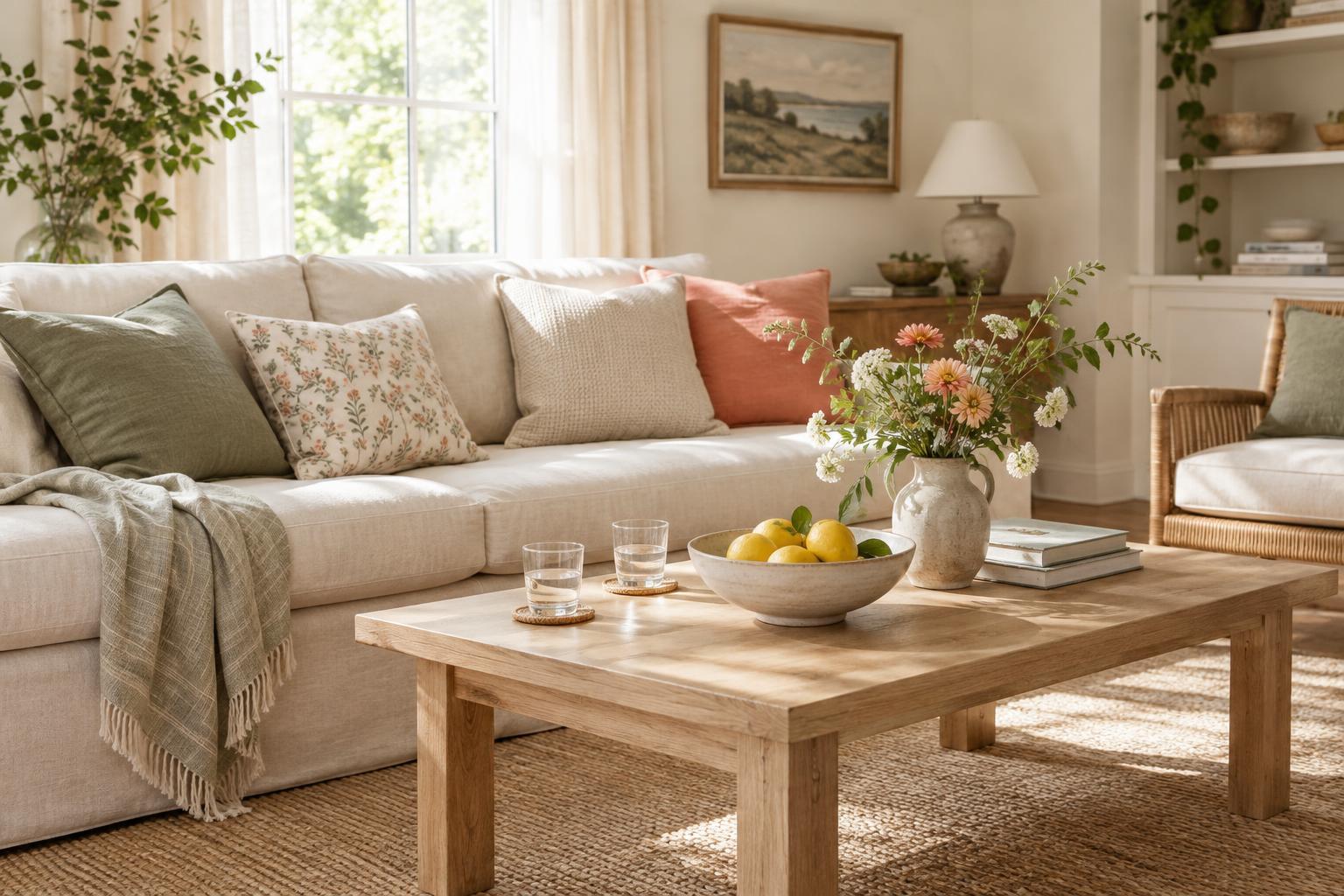
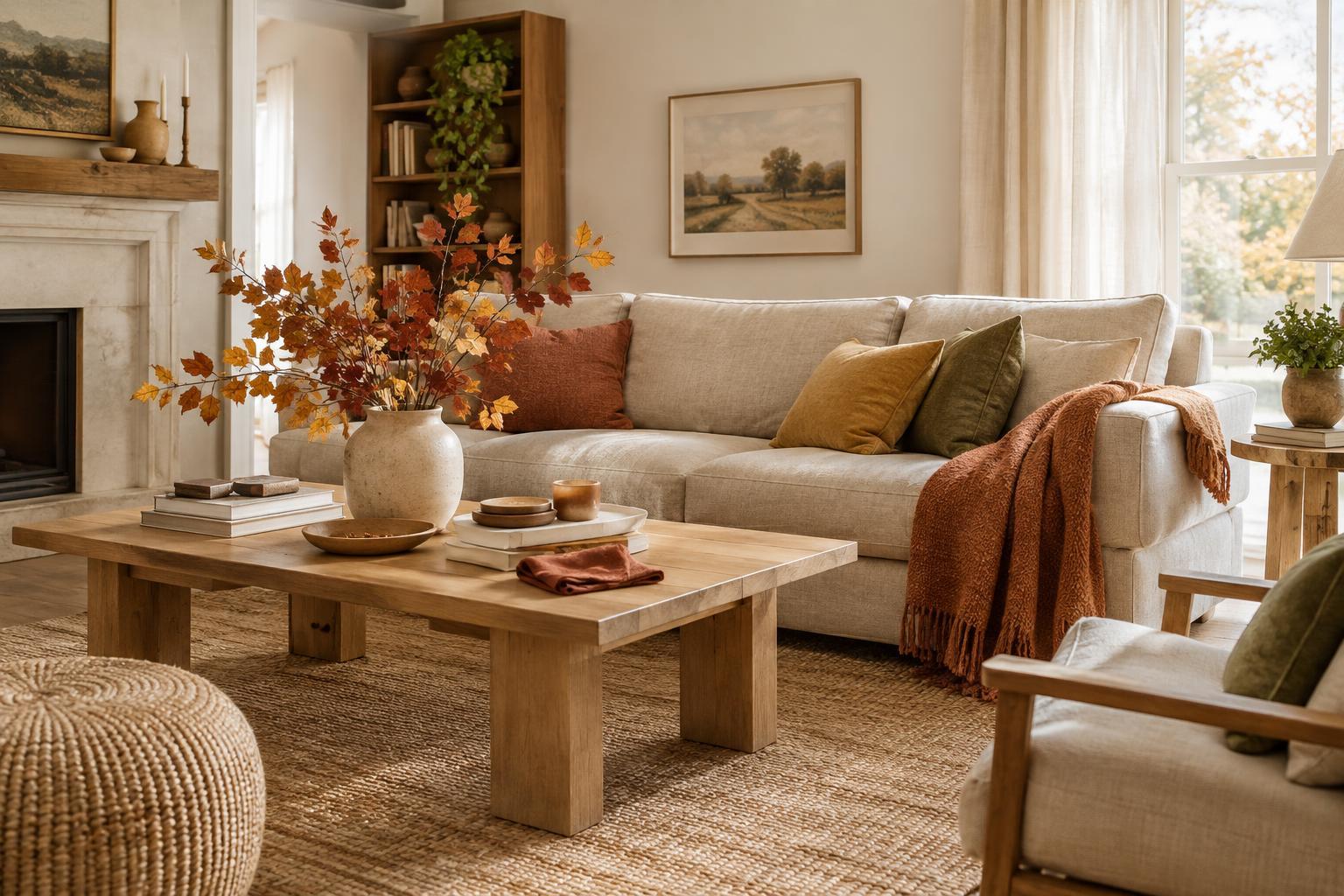
Start with colors already in the room and add one or two seasonal accents that sit comfortably beside them. A warm neutral sofa might suit rust-colored cushions and natural greenery; a room with cool blue details might feel more cohesive with soft whites and muted silver. The aim is not a rigid matching scheme. Repeating a few colors or materials simply gives the eye a path through the space.
Using too many textures and decorative themes
Texture makes seasonal rooms inviting, but piling on every option can obscure the furniture beneath it. A patterned throw, several embellished cushions, a thick table runner, and a heavily decorated garland may all ask for attention at once. Mixing multiple themes can have a similar effect: rustic branches, glossy ornaments, and playful figurines may not feel like part of the same arrangement.
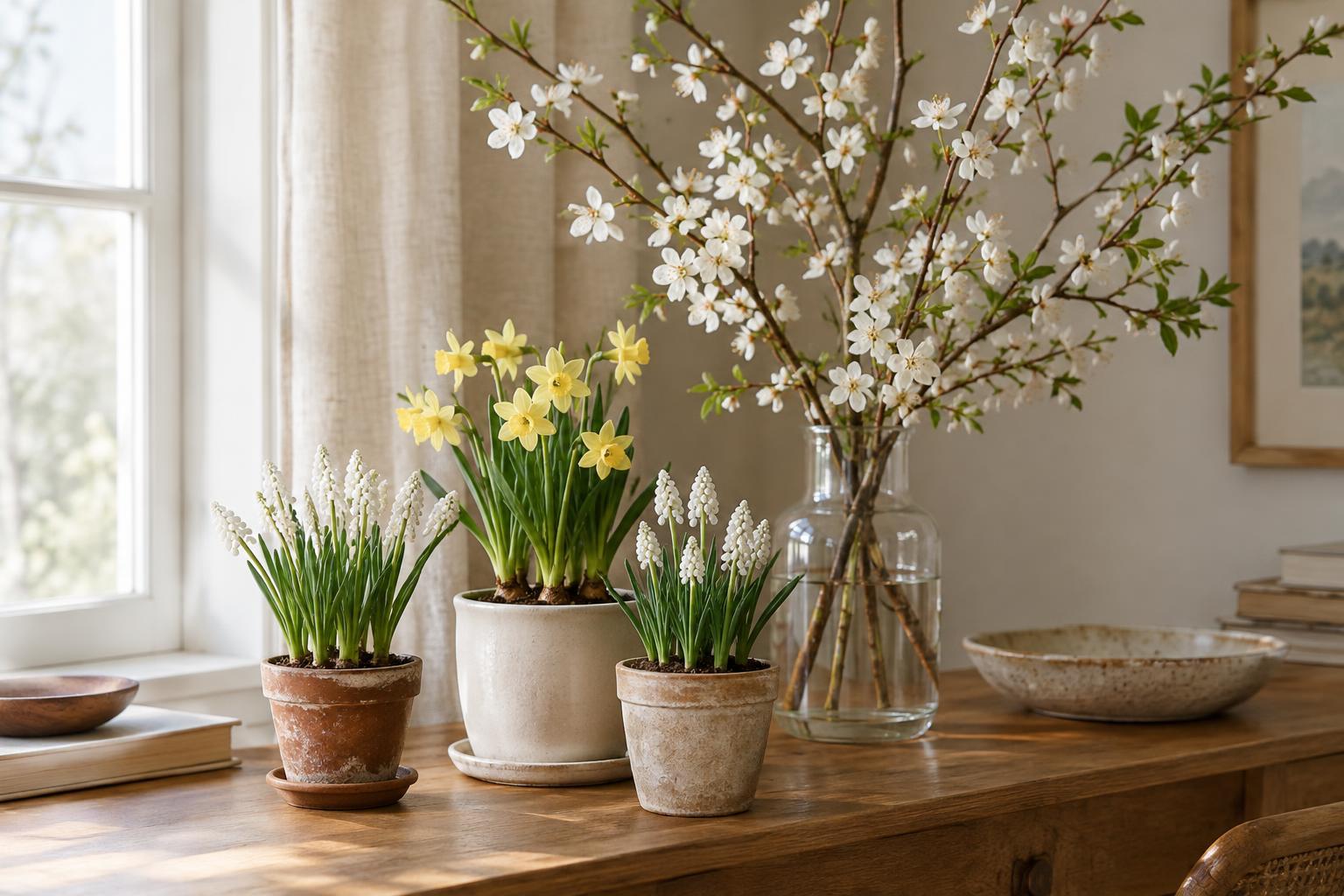
Choose a lead texture or material, then let quieter pieces support it. If a chunky knit throw is the feature, keep nearby cushions simpler. If you love natural branches, repeat wood, linen, or ceramic details in a restrained way rather than adding every seasonal motif you own. Contrast is welcome; giving one element the leading role keeps the result from feeling crowded.
Forgetting how the room is used
A decorated room still needs to work. A centerpiece that blocks conversation, cushions that leave no place to sit, or ornaments placed where keys and mail usually land can become frustrating. When seasonal pieces interfere with ordinary routines, they are more likely to be shifted into untidy piles than enjoyed.
Walk through the room after decorating and use it as you normally would. Can you set down a mug, open a drawer, and move comfortably past the furniture? Leave useful surfaces partly clear and choose decorations that are easy to move when hosting. Editing a display is not a loss of seasonal spirit: a few well-placed touches, with space to live around them, often make a room feel warmer and more welcoming.