Start with the colors that are staying
Before choosing a seasonal color, look at the parts of the room you will not change: walls, flooring, large furniture, rugs and curtains. These form the backdrop for every temporary addition. Notice not only their names, such as beige or blue, but also how they feel together. A beige room might lean golden and warm, or gray and cool. That difference can help you choose accents that look at home rather than added at random.
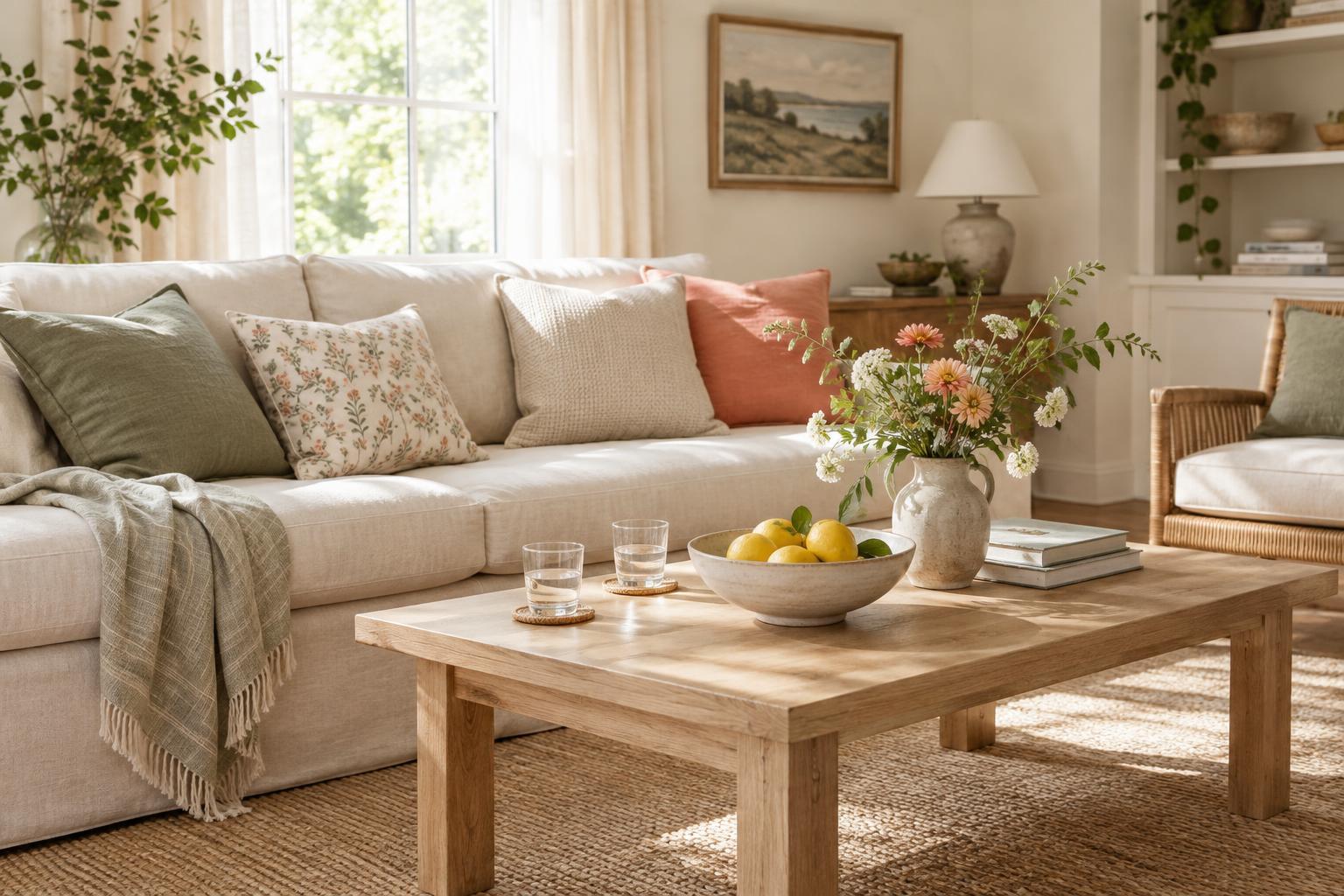
Next, identify any colors already repeated in smaller details. A rust thread in a rug, green in a print or cream in patterned upholstery can give you a starting point. Picking up one of these colors in a cushion cover or table linen creates a connection to the room without making everything match. If your space is mostly neutral, a familiar material or texture can provide that connection instead.
Choose a seasonal direction, not a complete replacement
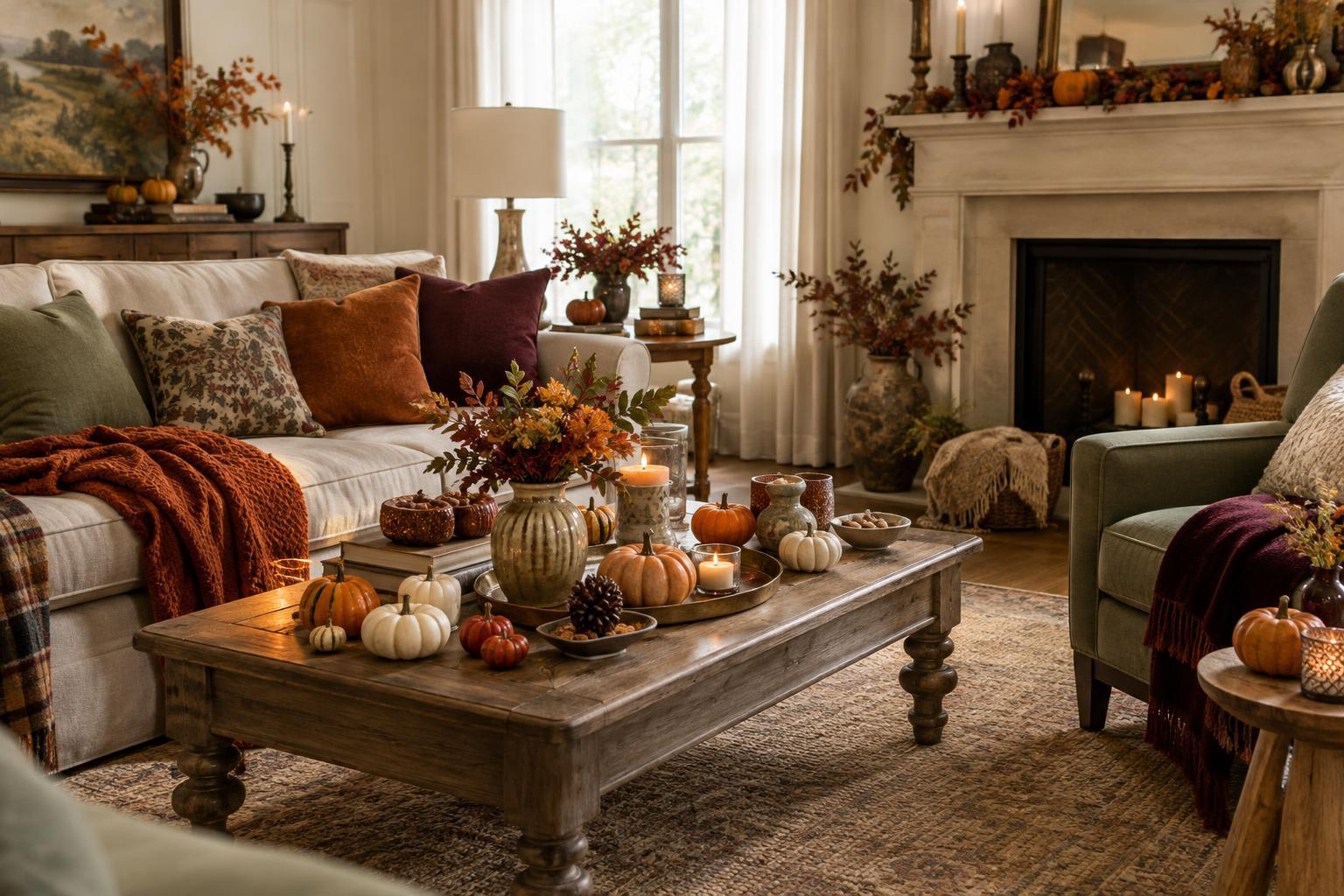
Think about the mood you want rather than relying on a fixed list of colors for each season. For a lighter feeling, you might bring in a soft, clear version of a color already in the room. For a cozier feeling, try a deeper or earthier version. A room with muted blue details, for example, could take pale blue linen in one season and ink-blue napkins in another while keeping the same underlying palette.
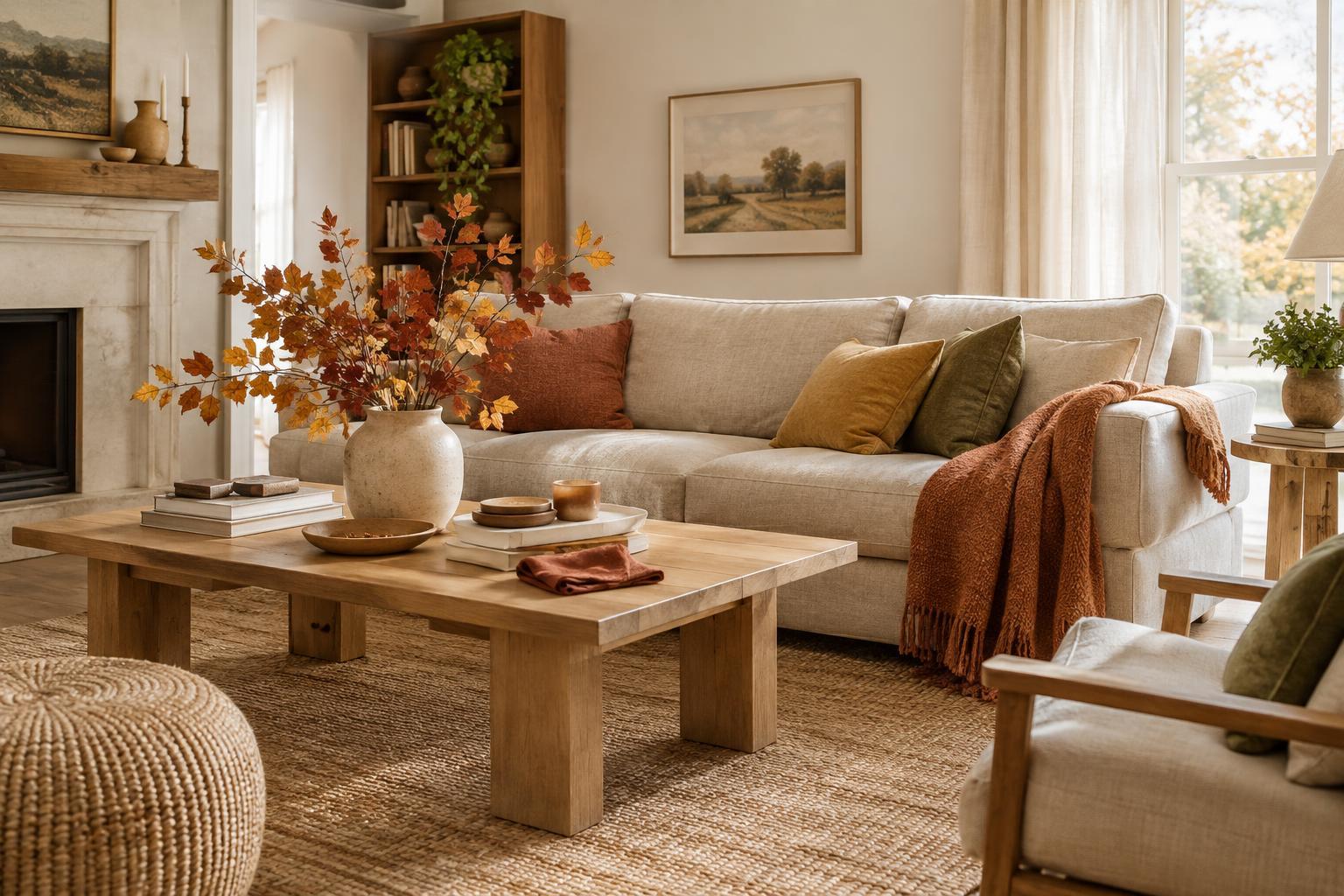
Limit the change to one main accent color and, if needed, one supporting shade. The main accent should relate to something permanent in the space; the supporting shade can add contrast. Warm terracotta might sit alongside an existing cream and brown scheme, with a small amount of olive as support. Keeping the selection narrow makes it easier to move items between rooms and bring them out again in later years.
Test color where you will actually use it
A color can look different beside your sofa than it does beside your dining table. Before buying several pieces, place a fabric sample, an item you already own or even a sheet of colored paper in the intended spot. Look at it in daylight and under the lamps you normally use. This simple check helps you judge whether the accent blends in too much, feels overly strong or gives the room the lift you wanted.
Pay attention to texture as well as shade. Matte linen, glazed ceramic, woven cotton and glass can make similar colors feel quite different. If a new hue seems too bright for your space, a textured or muted finish may make it easier to use. If the room needs a little energy, a smoother finish or a crisp pattern may be enough without introducing another color.
Repeat the accent in a few useful places
An accent feels more intentional when it appears more than once, but those repetitions do not need to be identical. Try a cushion on a chair, a bowl on a shelf and napkins on the table in related shades. Leave space between them so the color draws the eye around the room. In a small space, two placements may be plenty; in a larger one, you can carry the accent into an adjoining area.
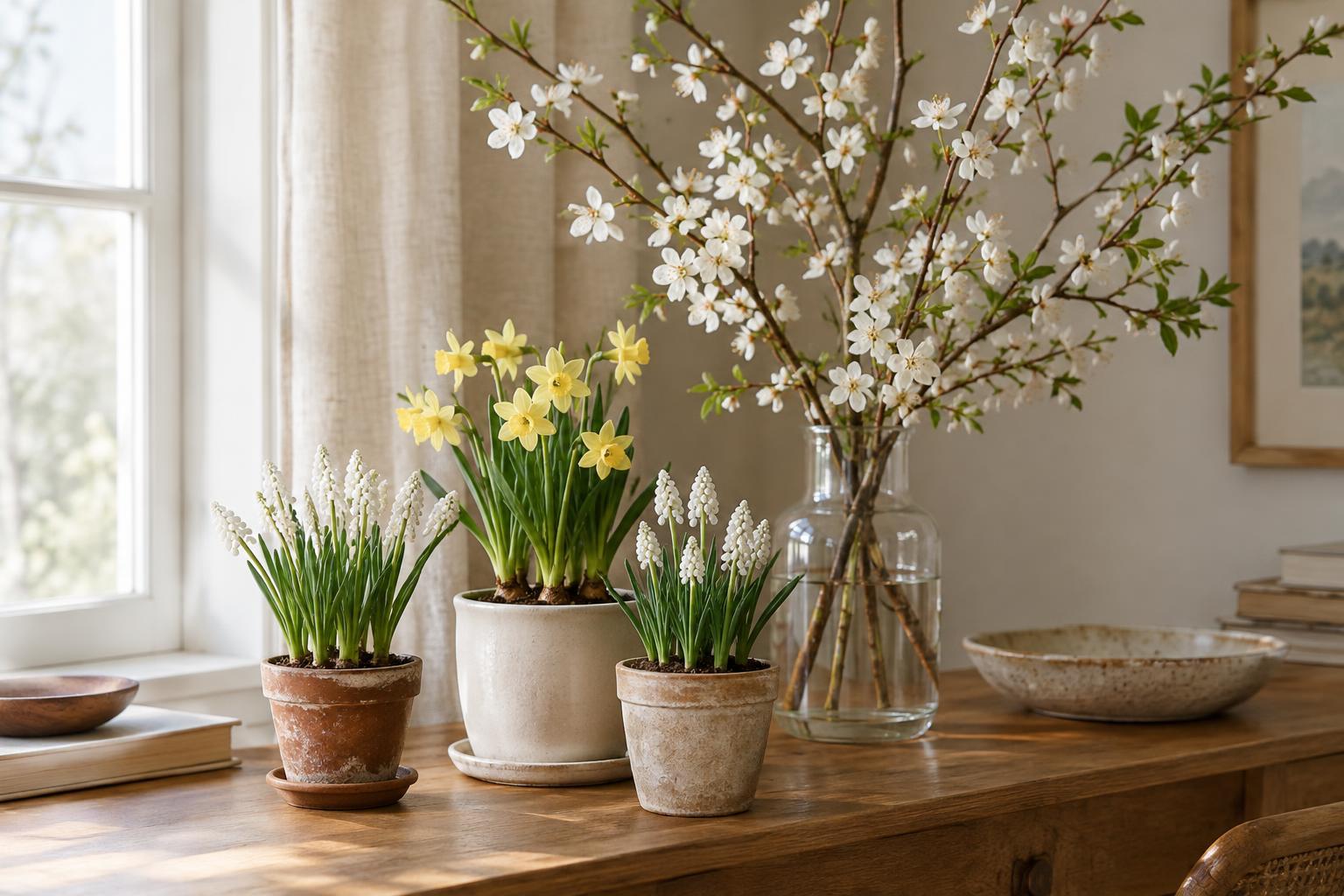
Choose items that suit ordinary days as well as gatherings. Washable cushion covers, a table runner, reusable napkins or a versatile vase offer a seasonal shift without requiring you to store an entire second set of decor. Natural elements, such as branches or a bowl of seasonal fruit, can add another layer of color without demanding a permanent place in a cupboard.
Keep what works and edit what does not
Once the accents are in place, step back and look at the whole room. If the result feels busy, remove one item before changing the color scheme. If it feels disconnected, repeat the accent near an existing color or bring back a familiar neutral between the two. Small adjustments often do more than adding another purchase.
When the season changes, note which pieces were easy to use and which stayed in storage. A flexible collection might include a few neutral basics and a small number of accents you enjoy in different combinations. Your existing palette remains the anchor; seasonal color simply gives you another way to enjoy it.