Start with what you need to store
Before choosing a shelf or cabinet, take stock of what will live there. A collection of frequently used plates has different needs from spare batteries, paperwork or extra linens. Group belongings by how often you use them, whether they stack neatly and whether you enjoy seeing them. This simple inventory can reveal where open shelving would be useful and where a door would make daily life easier.
Also consider how the room feels now. If it already has patterned textiles, artwork and several pieces of furniture, more visible objects may make it feel busy. In a simpler room, a few shelves can add warmth and detail. Neither approach is automatically better for a small space: open shelves leave wall space visually exposed, while closed cabinets can create a calmer, more continuous surface.
Where open shelving earns its place
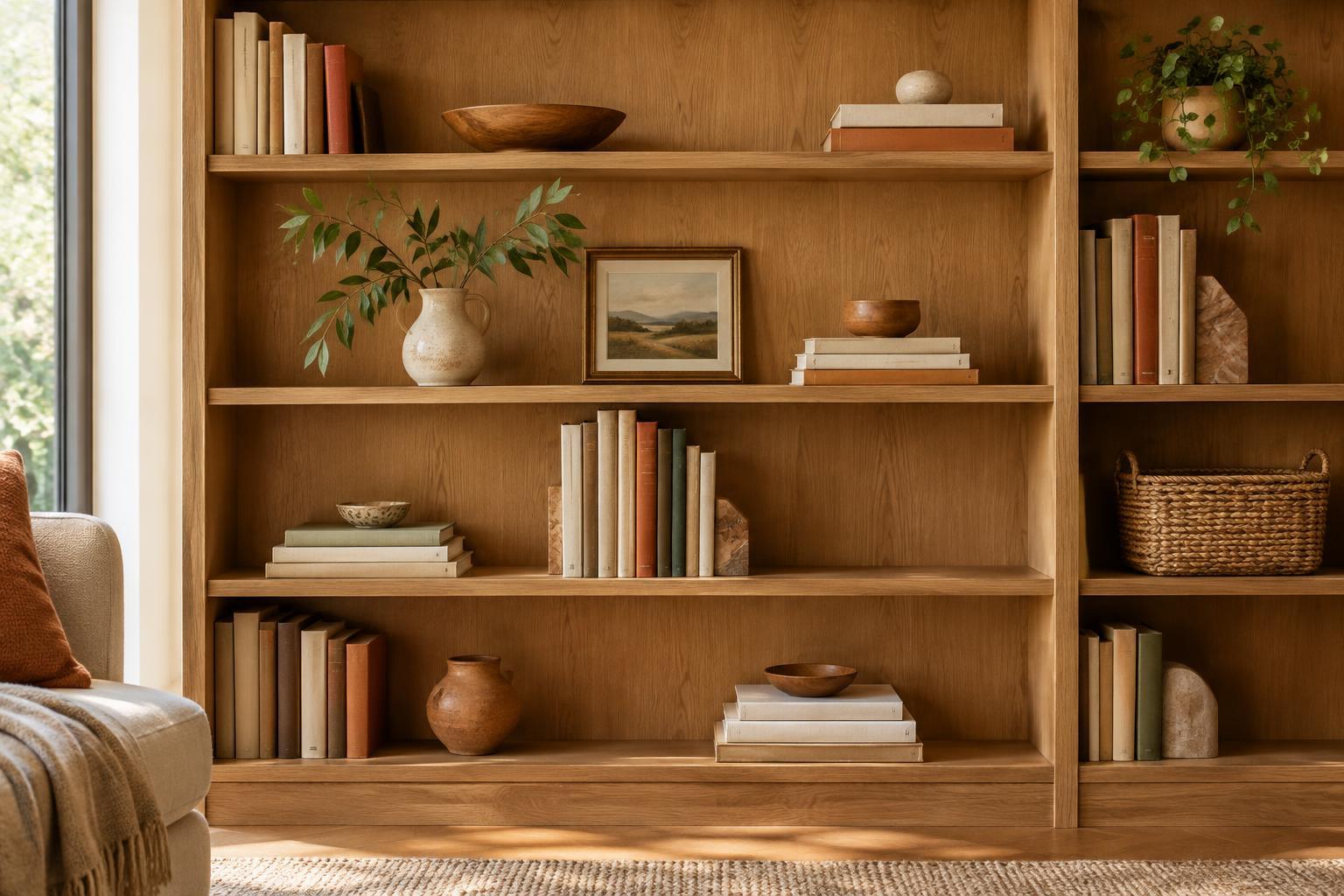
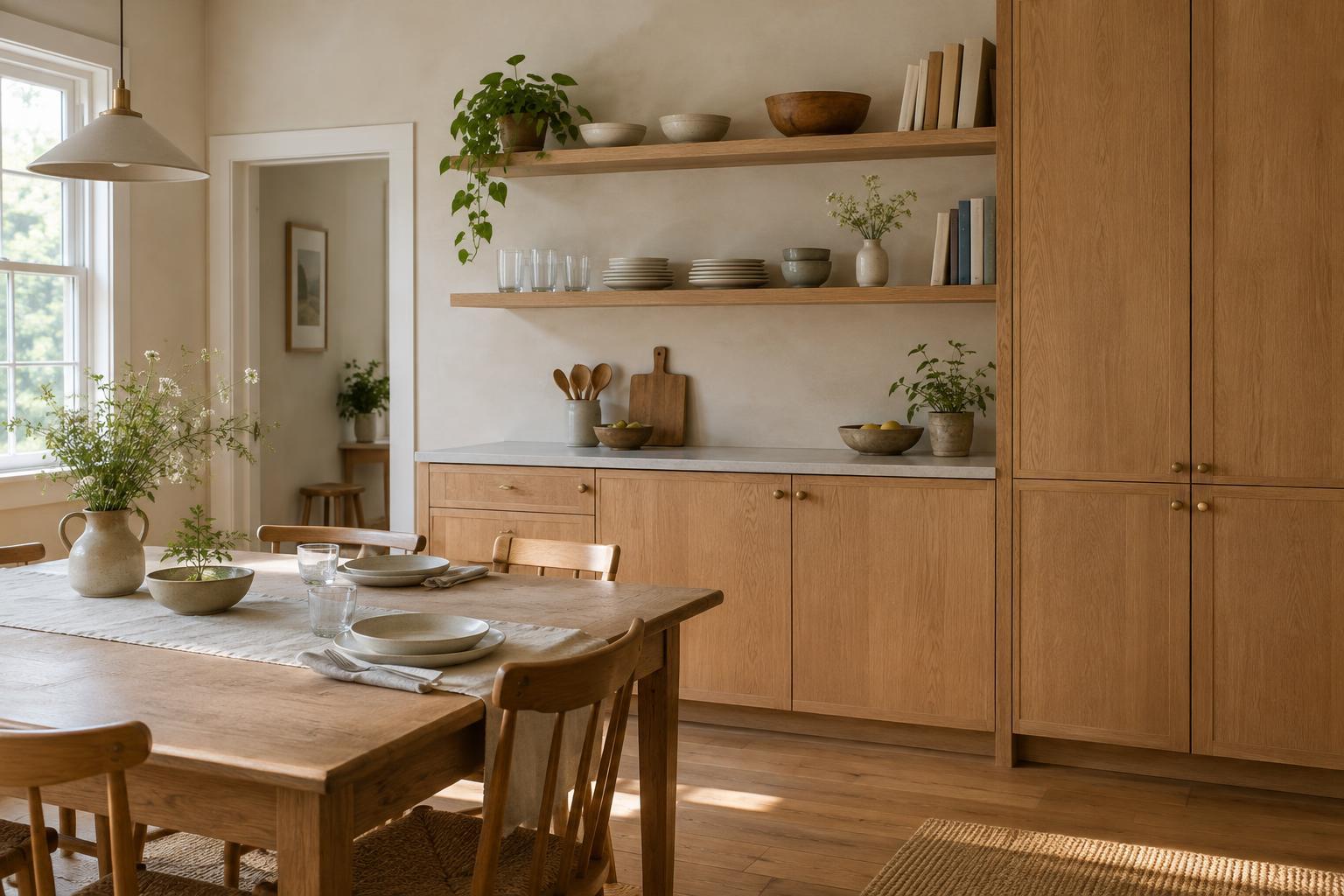
Open shelving works well for things you reach for often and can put away without much effort. In a kitchen, that might mean everyday bowls and glasses rather than an entire collection of mismatched supplies. In a living room, books and a few meaningful objects can make the space feel lived in. Keeping frequently used pieces within reach can also make a shelf easier to maintain than one filled only with decorative items.
The trade-off is visibility. Dust, uneven stacks and crowded shelves are harder to ignore when there is no door to close. Give objects some breathing room, and avoid filling every inch simply because it is available. Repeating a material or color—such as wood, clear glass or a quiet ceramic palette—can help varied items look connected without requiring everything to match. Place fragile objects away from spots where people regularly brush past.
When closed storage is the kinder choice
Cabinets, drawers and boxes are helpful when belongings have awkward shapes, come in colorful packaging or need protection from everyday dust. They give practical items a place to land without asking you to arrange them for display. Closed storage can be particularly welcome in a multipurpose room, where work materials, games and hosting supplies may all share the same walls.
A door does not solve organization on its own, though. Deep cabinets can hide things so effectively that you forget what you own. Use shallow bins, dividers or simple categories to keep contents accessible, and leave enough room to take items out without shifting a whole stack. Think about clearance, too: cabinet doors and drawers need space to open comfortably, especially near dining chairs or narrow walkways.
Let the room guide the balance
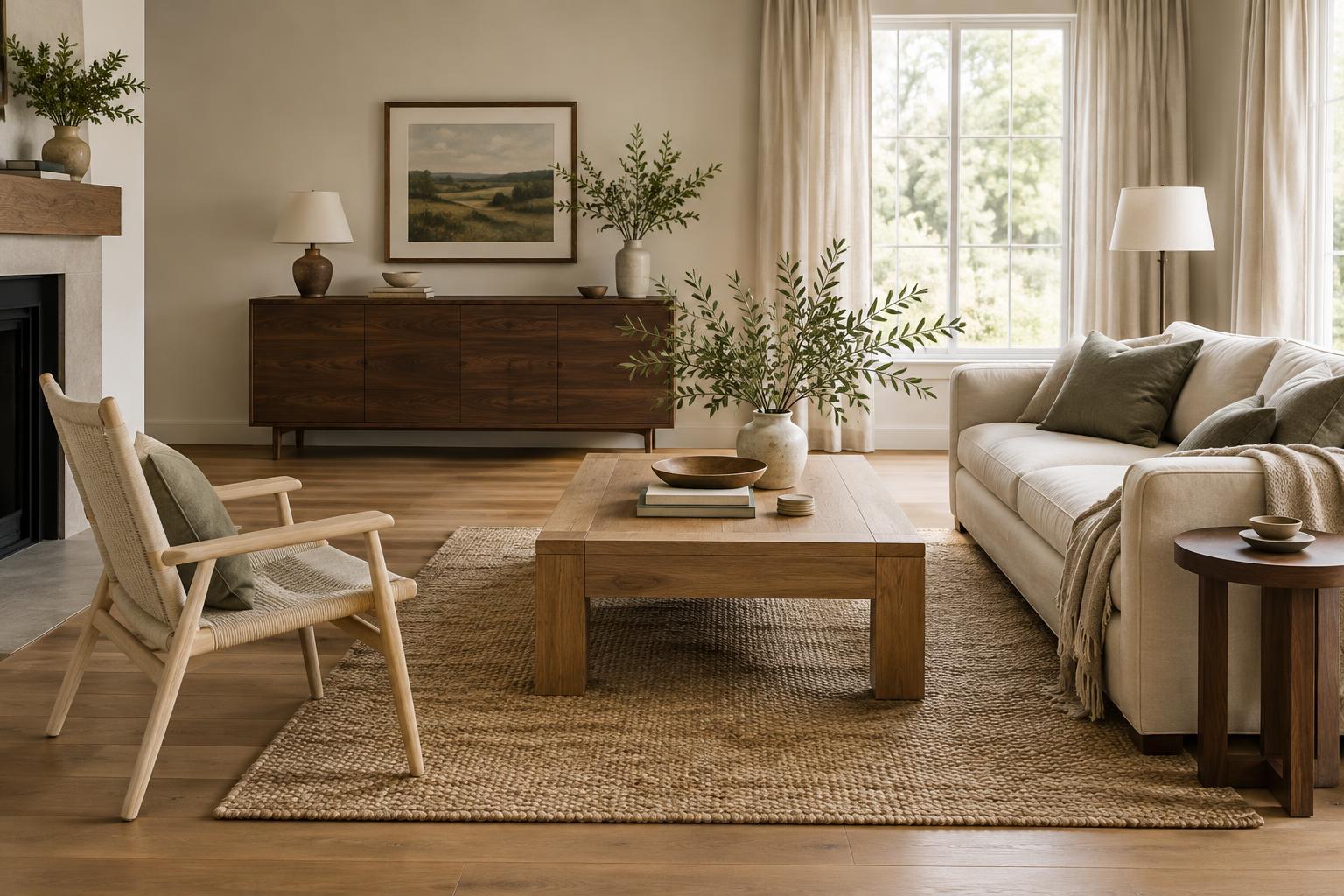
Many rooms benefit from a mix. In a dining area, a closed sideboard can hold table linens and occasional serving pieces, while a short shelf displays the dishes or pitchers you use regularly. In an entryway, hooks or an open ledge make daily essentials easy to grab; a drawer or cupboard can contain the smaller things that otherwise collect on top. The aim is to give each category of belongings a sensible home.
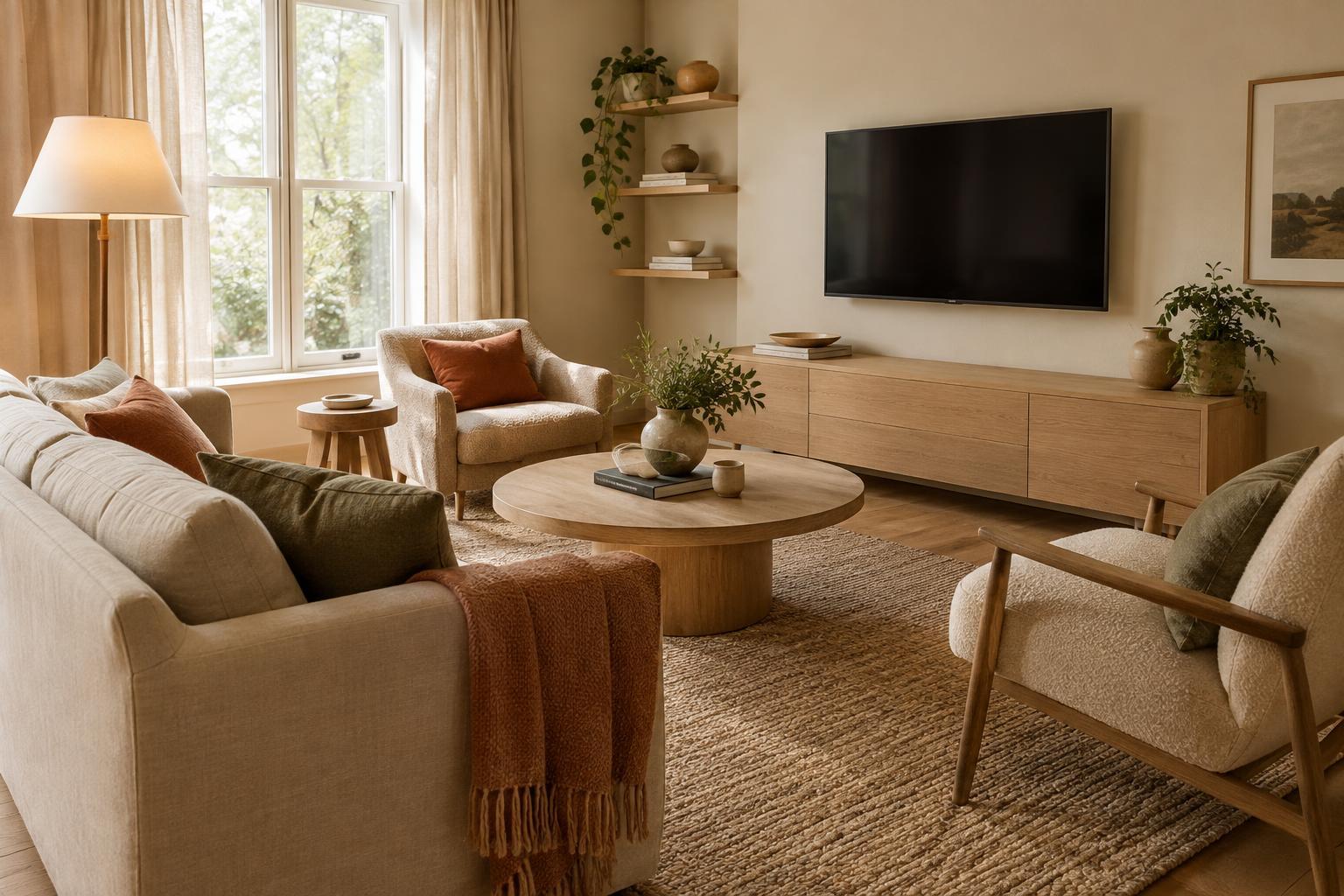
Think about height as well as style. Items used every day should be comfortable to reach. Higher open shelves are better suited to lightweight pieces you rarely move, provided you can clean them safely. Lower closed storage can help keep a room visually settled, while a modest open section above it creates a place for personal touches. Check that any shelving or cabinetry is installed and loaded according to its maker’s guidance.
Choose for the routine you actually have
Imagine resetting the room at the end of an ordinary day. If you like placing things back in tidy rows, open shelves may feel natural. If you prefer a quick, forgiving cleanup, drawers and doors may serve you better. Shared spaces also need systems that everyone can understand: a clearly assigned cabinet is more useful than an artfully arranged shelf that nobody feels comfortable touching.
You do not have to commit to one storage style across the whole room. Start with the possessions you already have, decide what deserves to remain visible, and give the rest an accessible place out of sight. A good arrangement looks welcoming when guests arrive, but it should also be easy to live with on a quiet weekday.