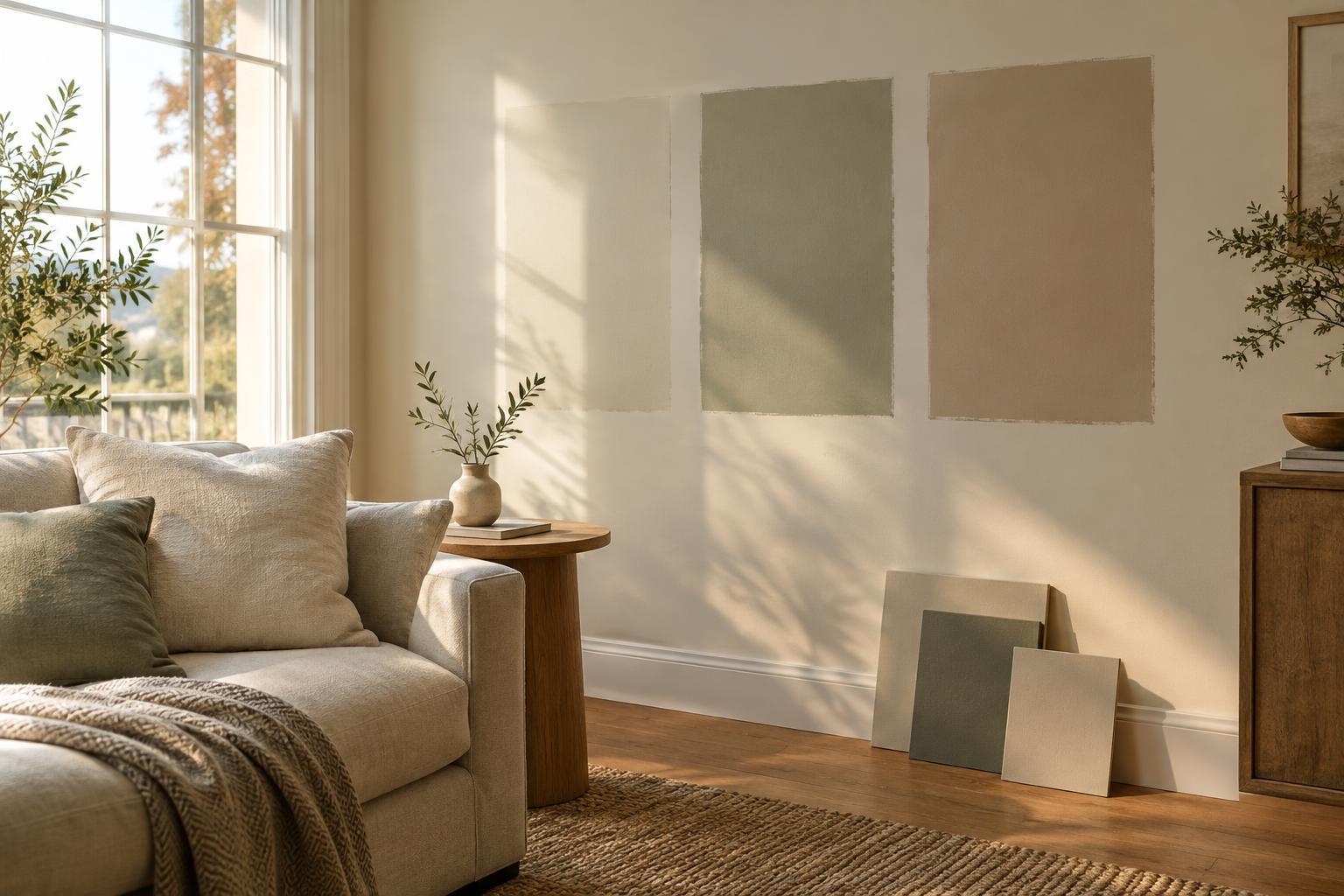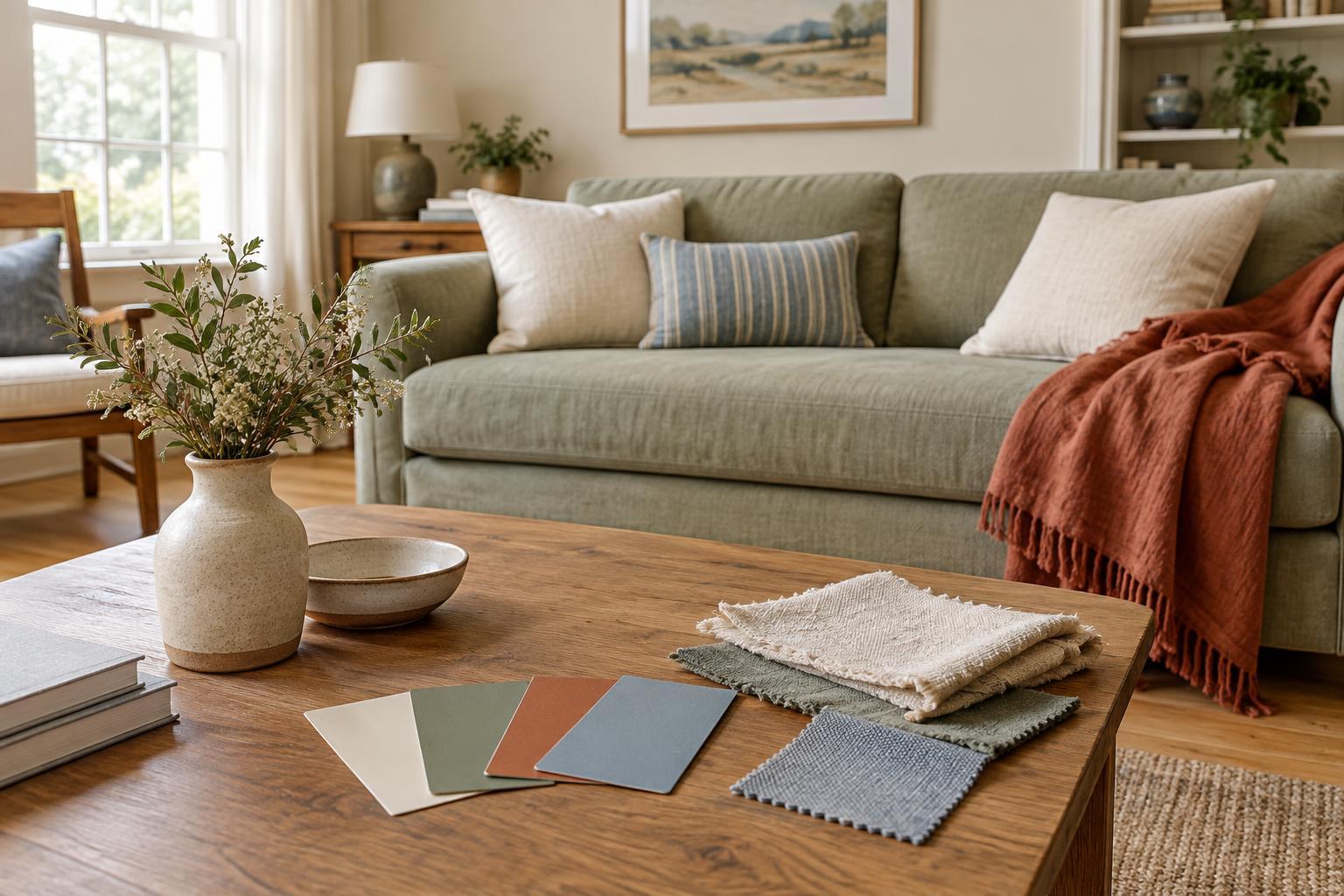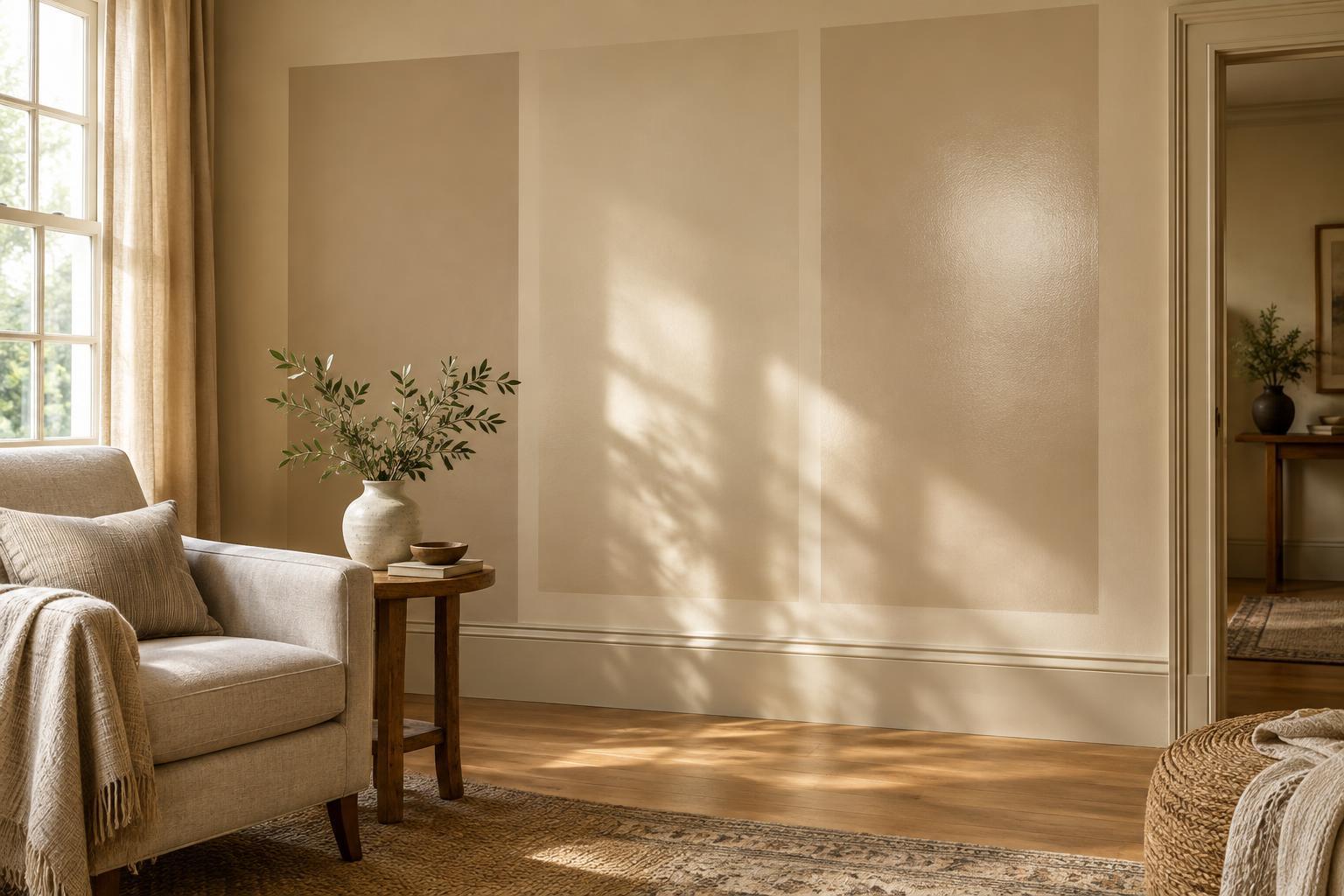
Start with sheen, not just color
Two walls painted the same color can feel different when their finishes catch the light differently. Matte absorbs more light and has little visible shine. Eggshell has a soft, low sheen, while satin reflects more light and looks smoother and slightly brighter. The difference may be subtle in a dim corner and much more noticeable on a wall facing a window.
Finish also affects how readily marks show and how comfortable a surface is to wipe. As a general rule, higher-sheen paints are easier to clean, while lower-sheen paints are more forgiving of small bumps and uneven patches. Paint formulas vary, though, so check the product’s guidance rather than assuming every matte or satin paint will perform alike. Think about how the room is used, how smooth its walls are and where light falls before settling on a finish.
Choose matte for calm, low-traffic spaces
Matte gives walls a soft, even appearance that works well in bedrooms, quiet sitting rooms and other spaces where walls are touched less often. It can be especially appealing with warm neutrals or deep colors, because it keeps reflections from competing with textiles, furniture and artwork. On an older wall with minor imperfections, its low sheen is often more forgiving than satin.
The trade-off is upkeep. Some matte paints are designed to be washable, but others may show rubbing or repeated cleaning. If a room has a narrow walkway, furniture that brushes the wall or hands that regularly reach for a switch, consider whether a more durable formula or a little more sheen would make daily life easier. Matte is also a useful choice for ceilings, where a quiet finish helps keep attention on the room below.
Use eggshell as a flexible wall finish
Eggshell sits between matte and satin, making it a practical starting point for living rooms, dining rooms and guest rooms. It offers a gentle lift where daylight reaches the walls without giving them an obvious shine. That balance can suit a home where rooms flow into one another: the finish feels consistent across spaces while allowing color, lighting and furnishings to create variety.
For many hallways and family spaces, eggshell is worth considering if you want walls that are easier to wipe than a typical matte finish but do not want satin’s stronger reflection. It will not hide every flaw, and repeated scrubbing can still affect the surface. If marks are likely, check the paint’s stated cleaning guidance. When comparing finishes, look at samples from several angles; a sheen that seems barely visible straight on can become more apparent beside a window or lamp.
Reserve satin for surfaces that need more wiping
Satin can make sense in kitchens, bathrooms, laundry areas and busy entryways, where splashes, fingerprints or damp air may be part of the routine. It is also a common choice for doors, baseboards and other trim that gets handled or bumped. Its more reflective surface can help define those details, especially if the walls have a quieter finish. Choose a paint specifically suited to the room and surface rather than relying on sheen alone to handle moisture or cleaning.
The extra reflection comes with a visual cost: satin can draw attention to patchy repairs, roller marks or uneven walls. Good preparation matters. Clean the surface, fill and sand obvious flaws, and follow the paint maker’s directions for primer and application. In a sunny room, consider using satin selectively on trim while keeping large wall areas in eggshell. You can get a durable finish where it helps most without making every wall catch the light.
Test the finish where you will live with it
Before committing to a whole room, compare the same color in the finishes you are considering. Paint generous sample areas on the actual wall, or use movable sample boards prepared as directed for the product. Look at them in morning and evening light, with the lamps you normally use. Check both a smooth stretch of wall and an area with visible texture, since sheen can emphasize the difference.
Make the final decision by surface, not by room name alone. A dining room with rarely touched walls may suit matte; a child’s bedroom that needs frequent wipe-downs may call for eggshell. In an entryway, eggshell walls paired with satin trim can offer a useful balance. Keeping one wall finish throughout adjoining rooms can create a settled backdrop, but there is no need for every painted surface to match. The best finish is the one you will enjoy seeing—and can comfortably maintain—in everyday use.