Start with what the room already has
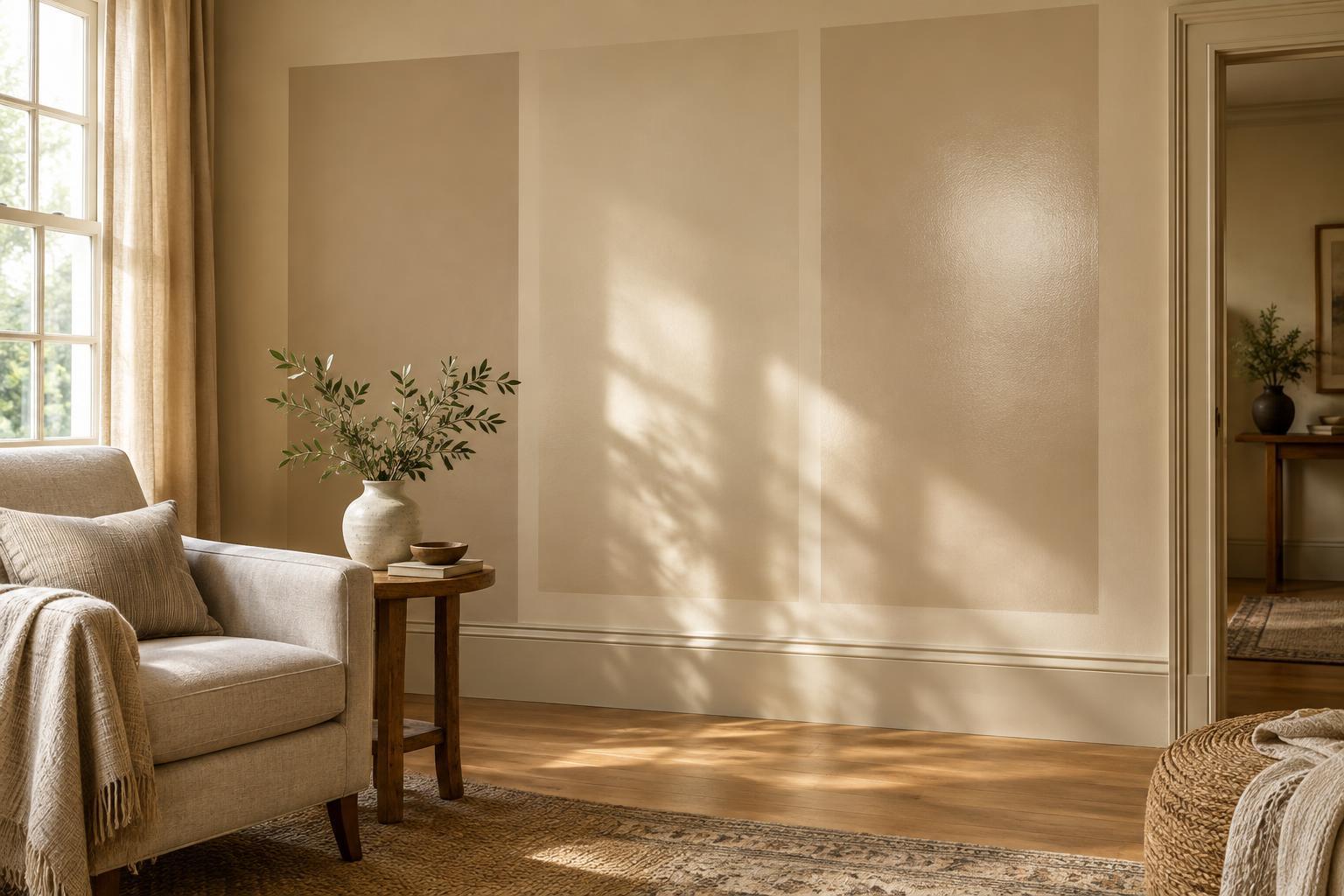
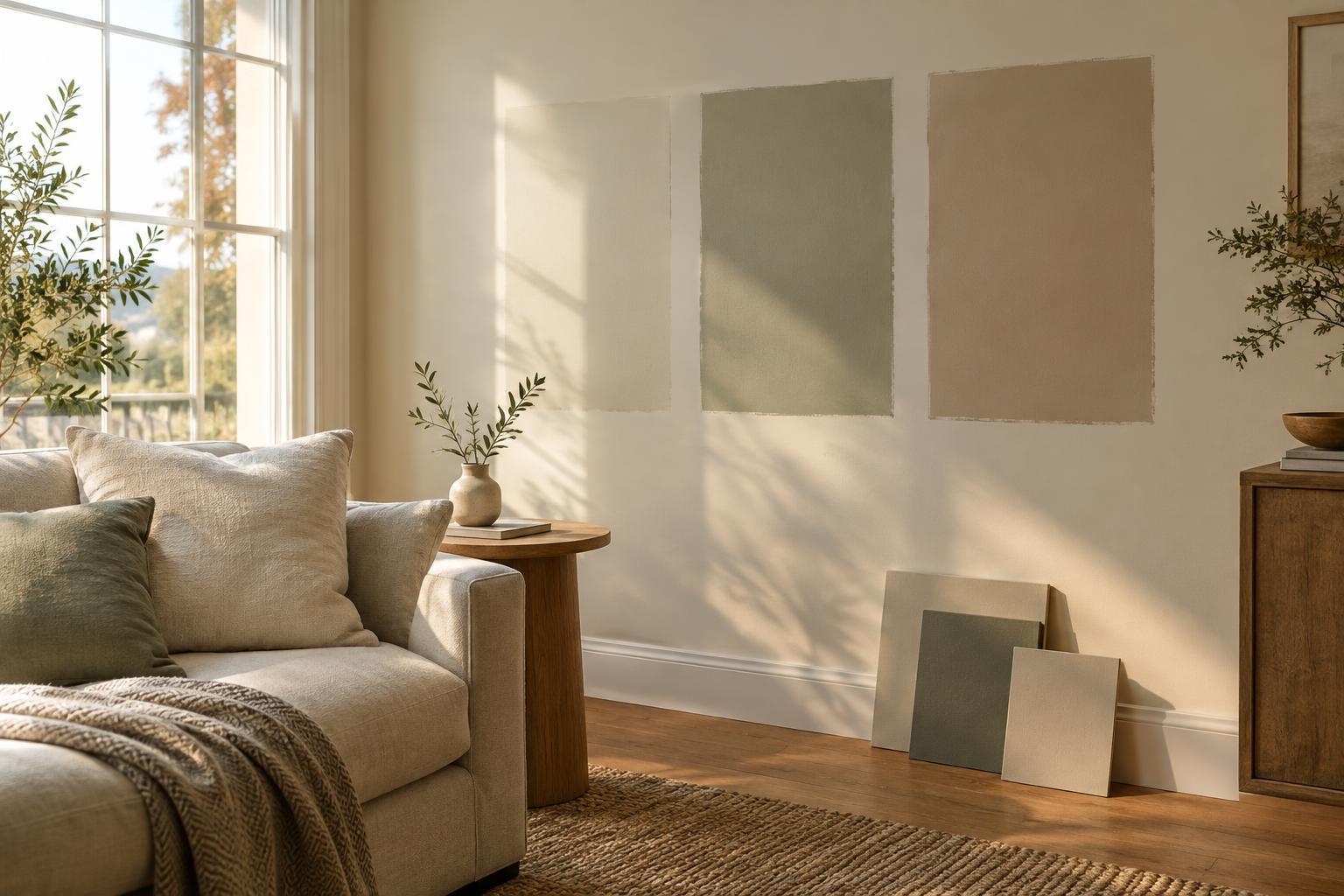
A room can feel connected without looking as though everything came from the same collection. Cohesion comes from relationships between pieces: a color that appears more than once, a shared finish, or a similar sense of weight. Before adding anything, look at the features that are difficult to change, such as the floor, wall color, large furniture and natural light. These form the backdrop for every smaller choice.
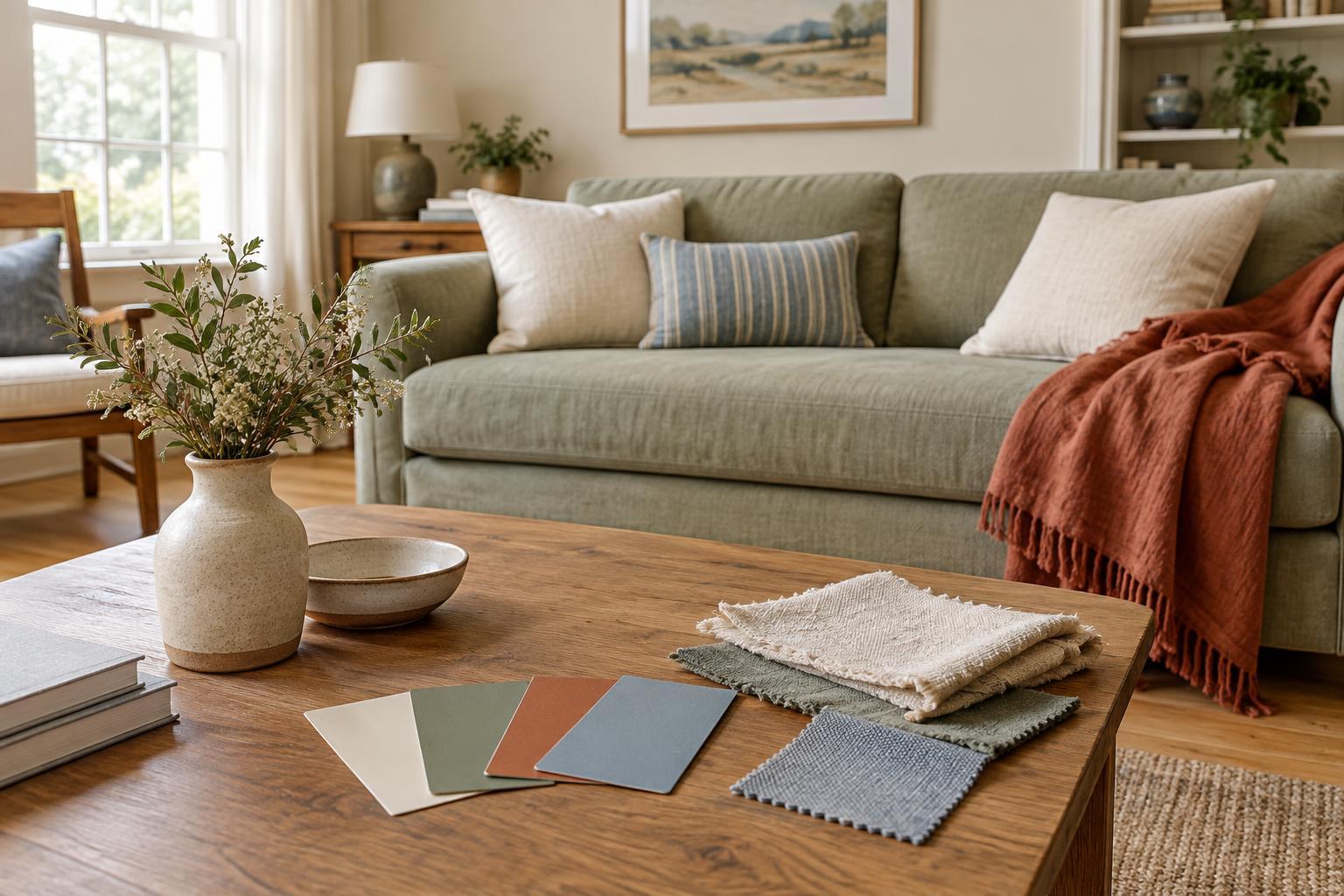
Choose two or three qualities you want to carry through the space. You might build around warm wood, soft white and muted green, or around dark metal, linen and earthy colors. This is a guide, not a rule that every object must follow. A few pieces can sit outside the palette and still belong, especially if they bring useful contrast or have a clear purpose.
Repeat colors without placing them everywhere
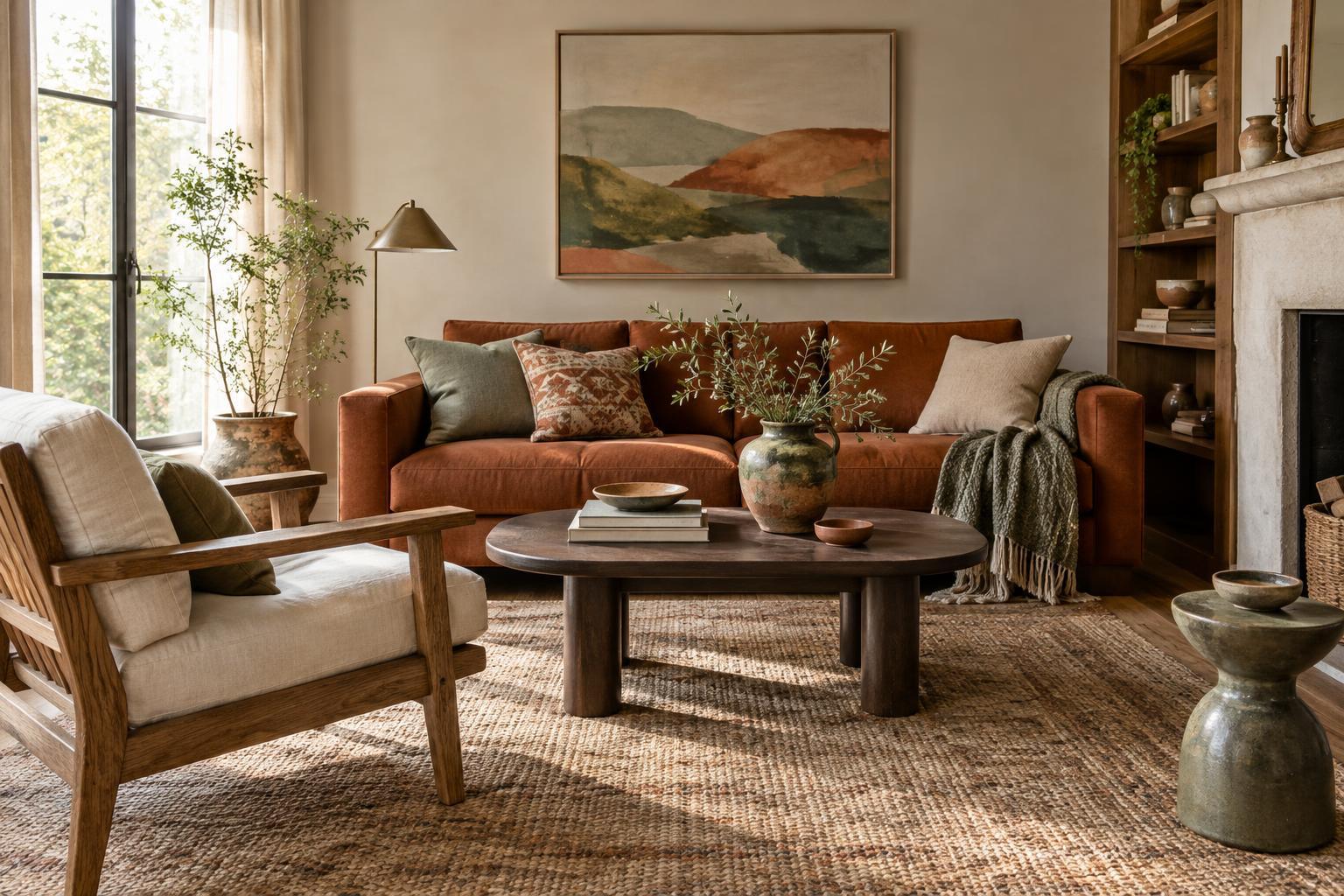
Repetition helps the eye move around a room. If an armchair introduces a rusty red, a smaller touch of that color in a cushion, artwork or patterned rug can make the chair feel intentional. The repeats do not have to be identical. Related shades often look more natural than several objects in precisely the same tone.
Give colors different roles. One might cover a large area, another might appear in textiles, and a third might be used sparingly in smaller details. This keeps the room from feeling either scattered or overly coordinated. If a favorite piece seems out of place, look for one modest way to echo it before replacing it. Sometimes moving an existing cushion or vase is enough.
Let materials do some of the connecting
Materials can tie together pieces of different ages and styles. A wooden side table need not match a wooden dining chair, but they may sit comfortably together if both have a warm tone. Woven baskets, linen curtains and a textured rug can create another quiet thread. Touch and surface matter as much as color: matte ceramics, brushed metal and soft upholstery each affect how the room feels.
Aim for a small mix rather than a single finish. Too many identical surfaces can look flat, while many unrelated finishes may compete for attention. If the room already contains several types of wood, try repeating one of the quieter tones elsewhere and allowing the others to serve as accents. You can also place a textile between contrasting finishes to soften the transition.
Balance contrast with shape and scale
A cohesive room still needs variety. Pairing a clean-lined sofa with a rounded lamp or an older wooden table can give each piece room to stand out. The key is to spread visual weight around the space. If one side holds a tall bookcase and a dark chair, a substantial plant, floor lamp or piece of art on the other side may help the room feel balanced.
Notice the shapes that recur. A curved mirror can relate to the curve of a chair back, while a rectangular coffee table may pick up the lines of a window. These connections can be subtle; they do not require buying coordinated items. Leave breathing room around pieces with strong patterns or unusual silhouettes so they read as deliberate choices rather than clutter.
Edit from where you actually use the room
Once the main pieces are in place, view the room from the doorway and from the seats you use most. Look for areas where several bold colors, patterns or small objects crowd together. Moving one item to a quieter spot may improve the whole room. It can also help to clear a surface completely, then return only what is useful or brings pleasure.
Make changes gradually. Try rearranging what you own before choosing something new, and pay attention to how the room works in ordinary life. A basket that holds blankets, a lamp that improves evening light or a tray that gathers everyday items can contribute to cohesion because it gives the space a sense of purpose. The goal is not perfect agreement between every piece, but a room that feels comfortable, considered and lived in.