Start with the fabric’s structure
Two textiles made from the same fiber can feel surprisingly different. A cotton napkin might be crisp and smooth, while a cotton throw feels soft and substantial. Fiber matters, but so do the way the yarns are arranged, how tightly the fabric is made, and how much material is in it.
Weave describes how yarns cross to form a fabric. Weight describes how heavy that fabric is for its size; product listings may express it as grams per square meter, or GSM. Neither detail tells you everything about quality. Finishing, yarn thickness, fiber blend, and construction also affect how a textile feels and wears. Still, weave and weight offer useful clues when you cannot handle a piece before buying it.
What different weaves feel like
A plain weave crosses yarns in a simple over-and-under pattern. It often creates a balanced, relatively stable surface, making it a versatile choice for tablecloths, napkins, and lightweight curtains. Depending on the yarn and finish, it can feel airy and relaxed or smooth and crisp. A twill weave forms subtle diagonal lines and often has a softer drape than a comparable plain weave. It can work well for cushion covers or other pieces that need a little substance without feeling stiff.
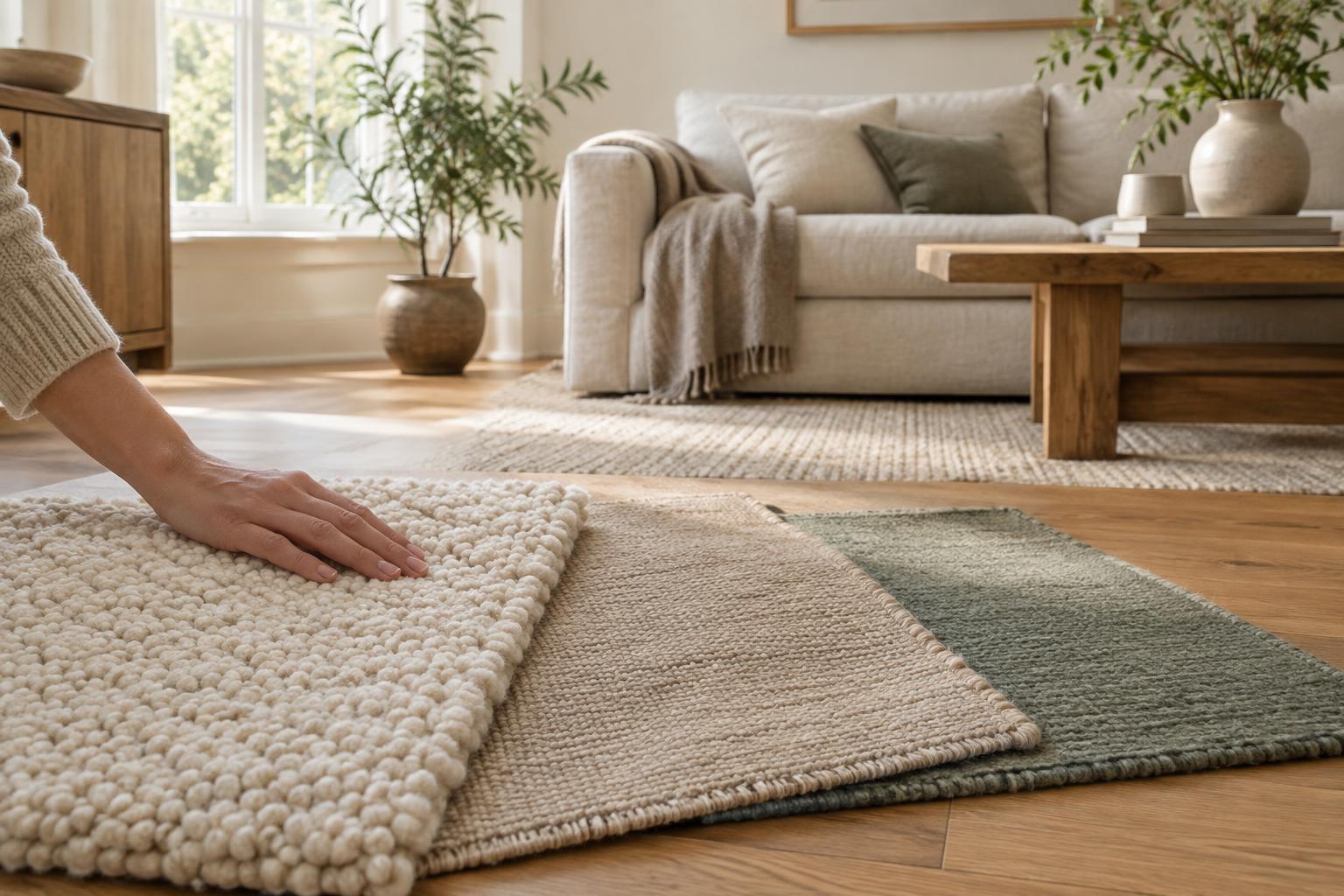
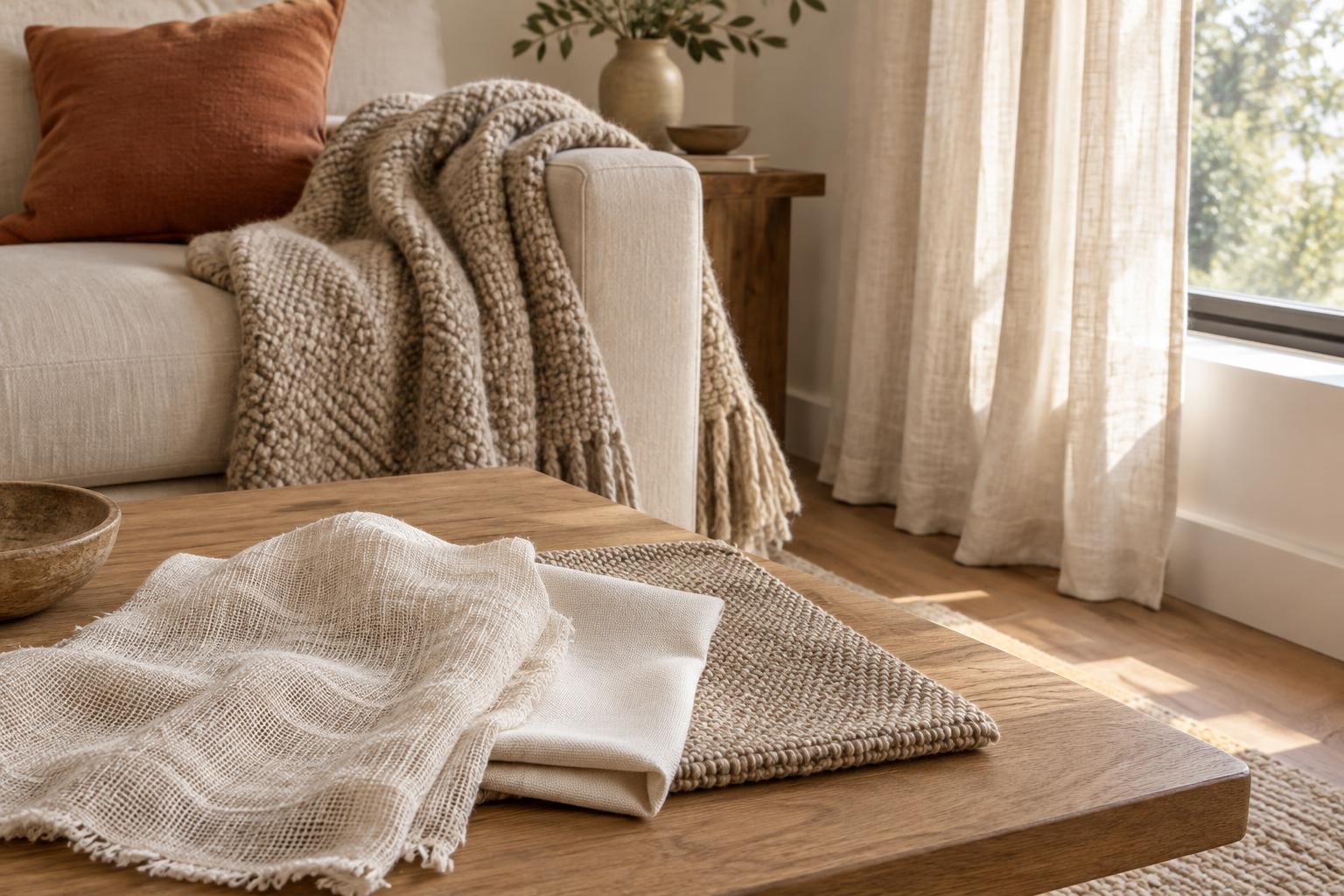
Texture changes the experience, too. Waffle weaves have raised pockets that add dimension and can make a towel or throw feel springy. Loose, open weaves may look casual and let light through beautifully, but their yarns can be easier to snag. A tightly woven surface may be better suited to a textile that gets handled often. These are tendencies rather than guarantees: examine the fabric itself, especially where it will meet hands, furniture, and repeated washing.
How weight changes drape and use
Lightweight fabrics tend to fold easily and move with a breeze. That can be lovely for sheer curtains, casual napkins, or a summer throw. They may also show creases, let stains pass through, or feel less substantial on a dining table. Heavier fabrics generally hang with more presence and can help a cushion cover hold its shape. For curtains, extra weight may create fuller-looking folds, though the heading style and lining also make a difference.
More weight does not automatically mean more durability. A heavy fabric with loose yarns can snag, while a lighter, tightly made fabric may stand up well to regular use. Think about the job first. A decorative cushion can prioritize texture; a cover on a favorite chair needs a surface that tolerates friction. Table linens should feel pleasant in the hand but also be manageable to launder, fold, and store.
Choose for the room, not just the swatch
For dining, picture the fabric after a meal rather than only when the table is freshly set. A softly textured, medium-weight cloth can feel welcoming and stay in place more readily than a very light one. Napkins need enough body to fold and sit comfortably in a lap. If easy care matters most, check the care instructions before choosing a fabric for frequent use.
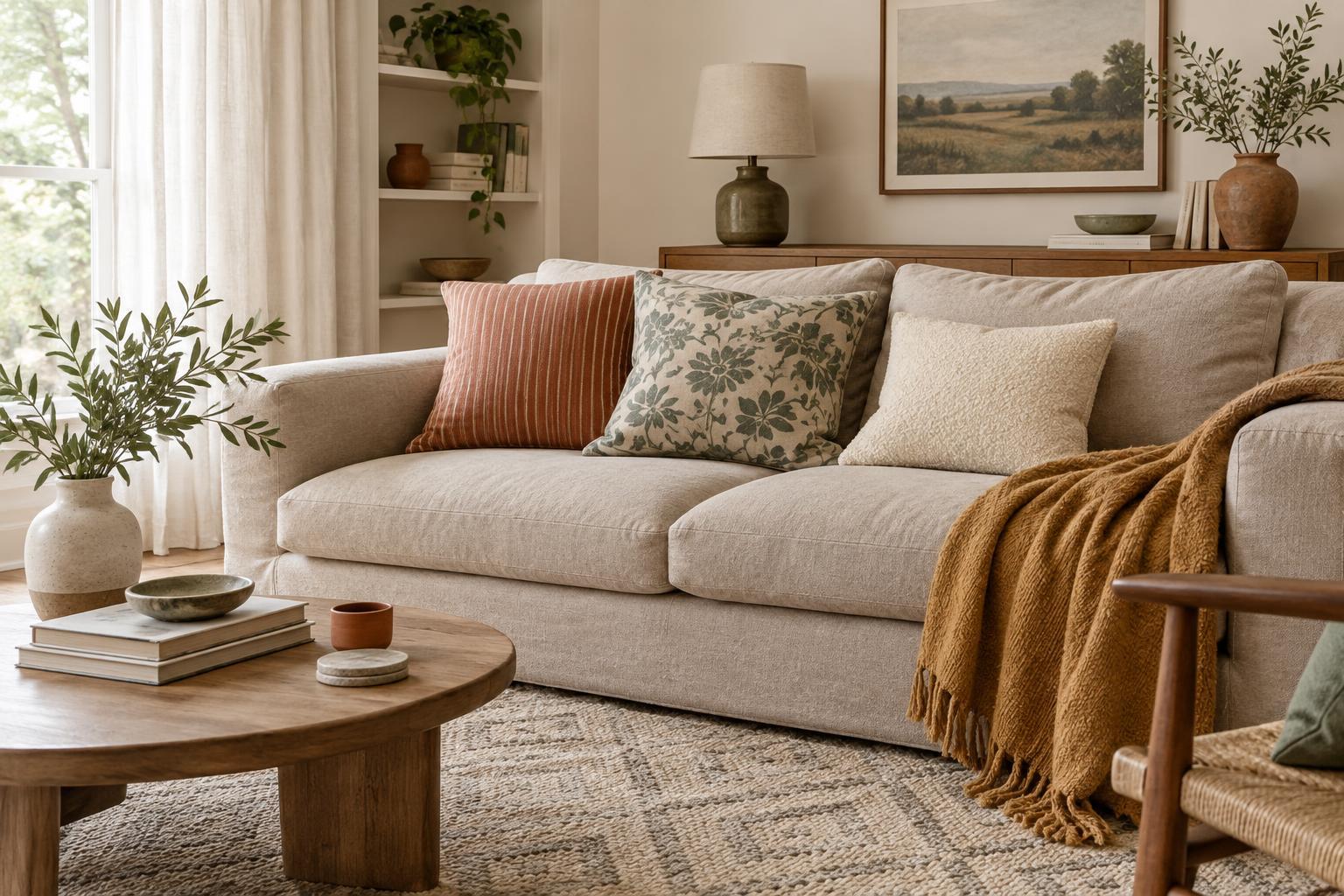
For a sofa, consider whether a throw is mainly for warmth, decoration, or both. A chunky weave adds inviting texture, but an open construction may catch on jewelry or pet claws. Cushion covers with a close weave can be practical where people sit every day; a more delicate weave can be reserved for a quieter corner. At a window, hold a fabric sample against the light if possible. Its weave and weight together determine how much of the view it filters and how it looks when gathered.
Look closely, then care accordingly
When comparing textiles, look at the surface and edges as well as the color. Gently bunch the fabric to see how it falls, and check whether the weave opens noticeably when moved. On a finished piece, inspect seams and hems: even a sturdy fabric depends on sound construction. If shopping online, use close-up images, fabric descriptions, measurements, and care guidance together rather than relying on a label such as “heavyweight” alone.
Washing and drying can change the feel of many textiles, and some may shrink or soften over time. Follow the care label, avoid overloading the machine, and store pieces fully dry. Rotate frequently used cushions or linens so wear is shared. The most satisfying home textiles are not necessarily the thickest or the smoothest; they are the ones whose texture, weight, and upkeep fit the way you actually live.