Pause before you reach for a cleaner
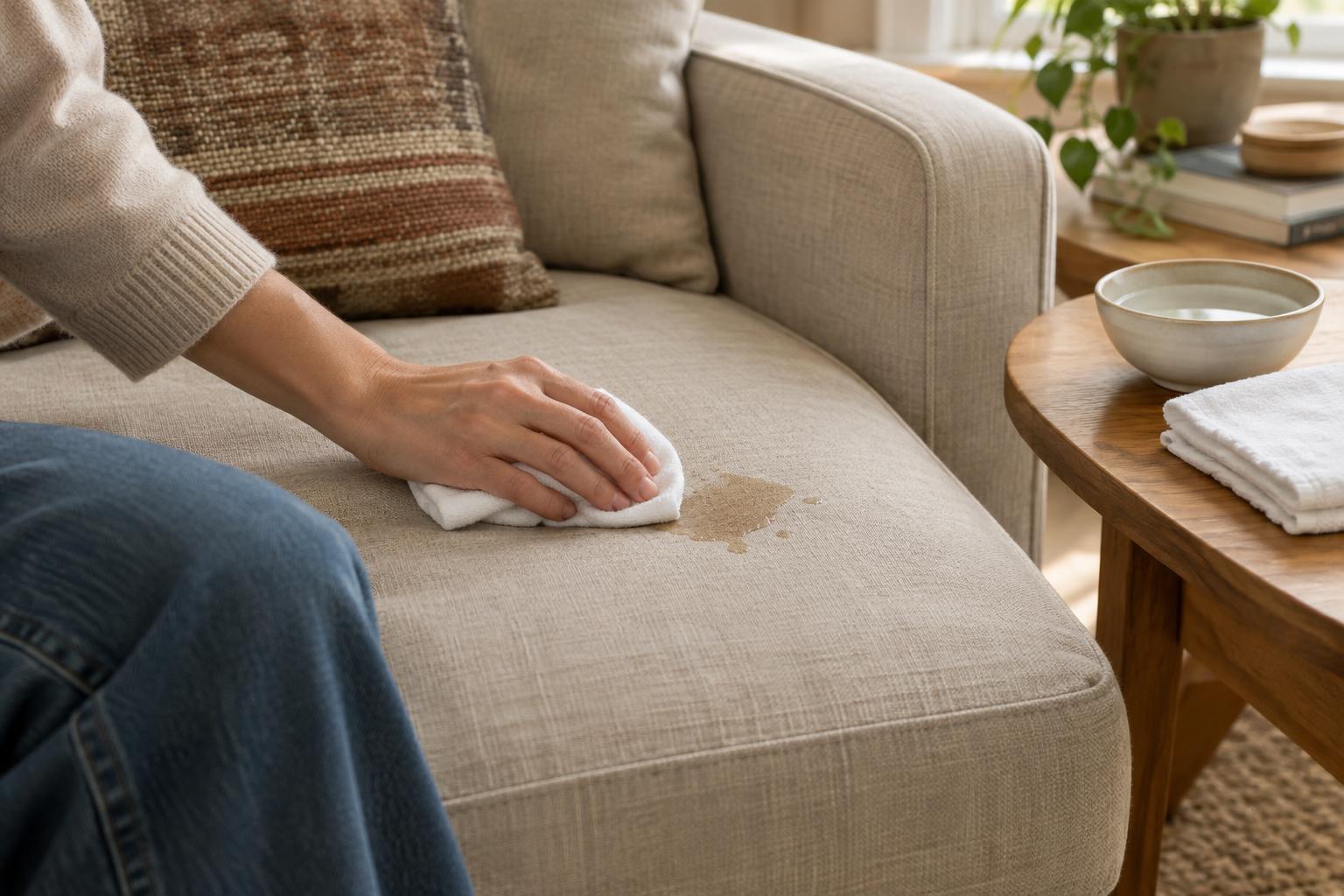
The first goal in spot-cleaning is to keep a spill contained. Rubbing, pouring cleaner directly onto the fabric or reaching for the strongest product in the cupboard can drive a stain outward or deeper into the upholstery. Instead, move nearby cushions or throws out of the way and identify what has spilled. If there are solids, lift them off gently with a spoon or the edge of a dull card. For liquid, press a clean, absorbent cloth onto the spot to pick up as much as you can. Lift and reposition the cloth rather than scrubbing back and forth.
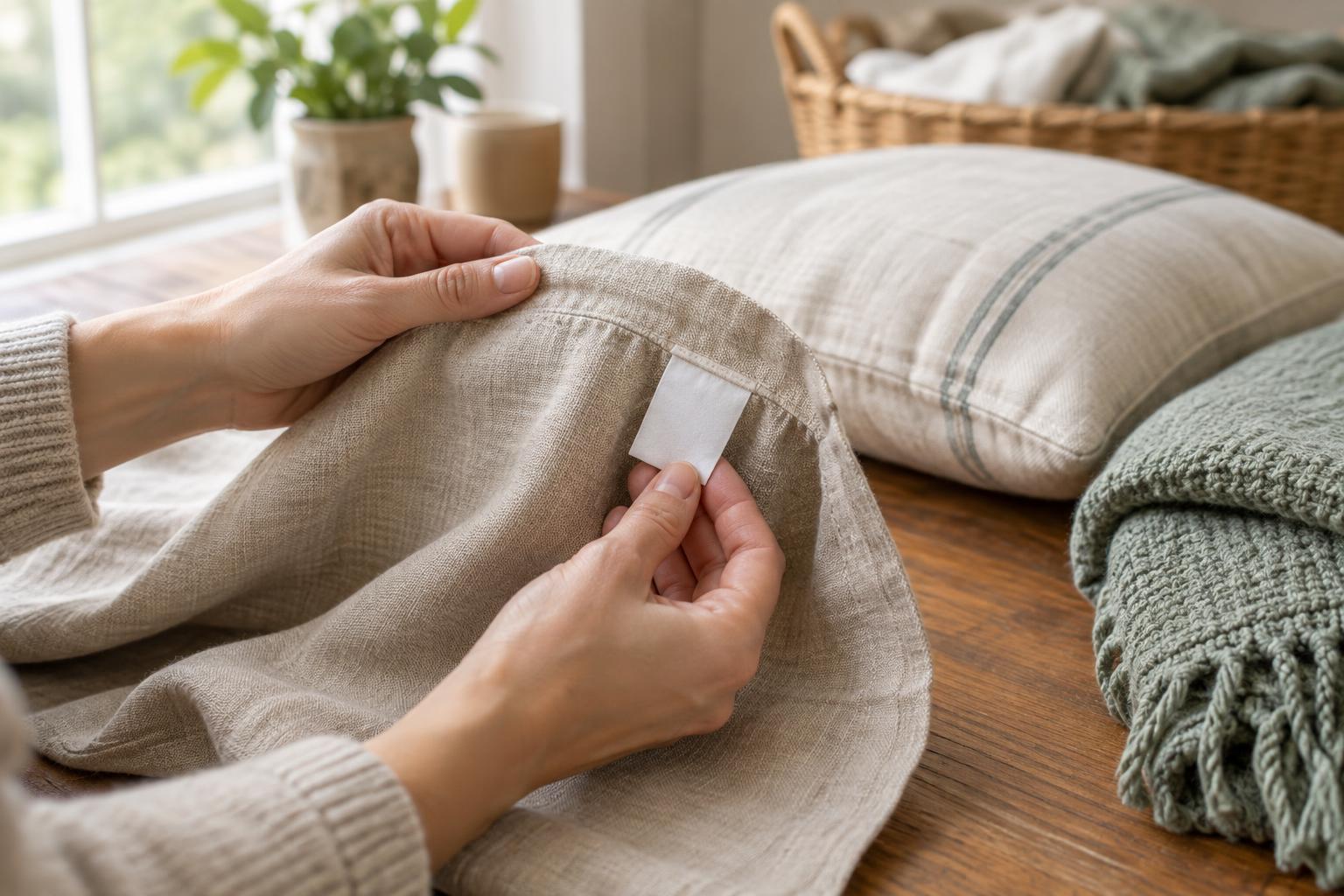
Before adding moisture, look for the furnishing’s care label or the maker’s instructions. Upholstery cleaning codes may indicate whether water-based cleaning, solvent-based cleaning, either method or no home spot-cleaning is recommended. Follow the specific guidance for your piece; the fabric surface is not the only consideration, since padding, backing and dyes may also react to a cleaner. If you cannot find reliable instructions, be especially cautious with a valuable, vintage or delicate item.
Work from the edge toward the center
Use a white or colorfast cloth so that dye from the cloth cannot transfer to the furnishing. Starting at the outer edge of the mark, blot toward its center with small, controlled presses. This helps limit the area affected by the spill. As the cloth picks up color or residue, turn it to a fresh section. A large wet cloth can spread the stain just as easily as a vigorous hand, so keep your movements small.
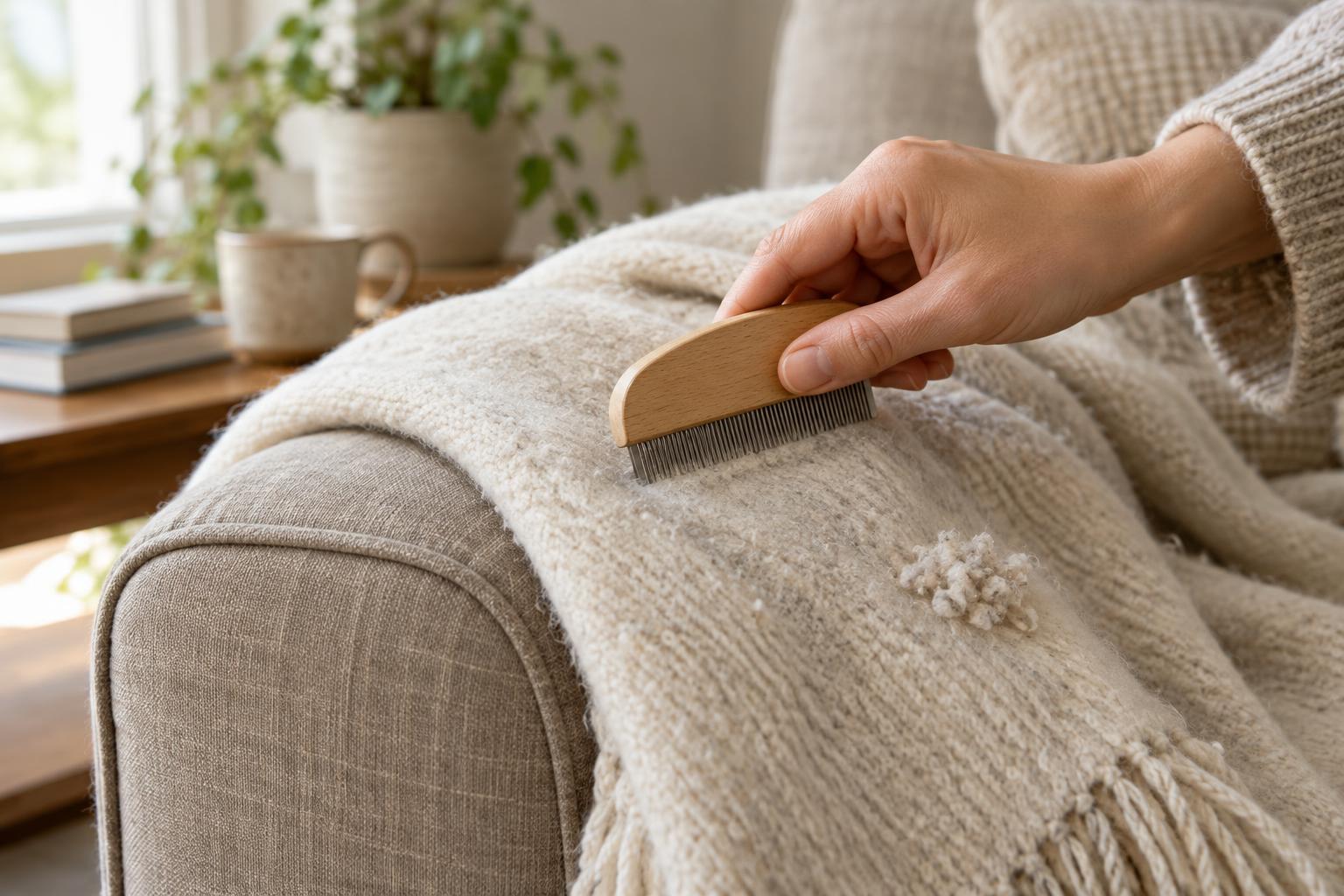
If the spill is fresh, several rounds of dry blotting may remove more than you expect. Resist the urge to keep working once the cloth stops picking anything up. Repeated pressure can abrade the surface, particularly on textured weaves and pile fabrics. Give yourself a moment to check the spot in good light before deciding whether it needs a cleaning solution.
Use only a little of the right solution
If the care guidance permits water-based spot-cleaning, test your chosen solution in an inconspicuous place first and let the test area dry. Check for a color change, ring, altered texture or stiffness. For a fabric that passes the test, apply a small amount of suitable solution to a clean cloth, not directly to the furnishing. Dab the stain from its edge inward, then use a separate, barely damp cloth to lift any residue if the care instructions allow it. Avoid soaking the fabric or the cushion beneath it.
Do not substitute water for a solvent-based method, or use a solvent simply because water did not work. Products can affect dyes, finishes and foam differently, and mixing cleaners may create additional problems. If the label calls for professional cleaning, or if the stain involves a substance that needs specialized removal, leave further treatment to a qualified cleaner. The same restraint is sensible for silk, velvet, unstable dyes and pieces that show a ring during your test.
Let the whole area dry gently
After cleaning, press a dry cloth over the treated area to absorb remaining moisture. Let it air-dry with good ventilation, away from direct heat. A hair dryer or heater may dry the surface unevenly or affect the fabric. Keep cushions uncovered until both the upholstery and anything beneath it feel dry; replacing a throw too soon can trap moisture.
Judge the result only when the fabric is fully dry. A damp patch can look darker than a permanent stain, while a faint ring may become visible as moisture moves toward the edge of the treated area. If a ring appears, avoid repeatedly wetting the spot to chase it. Check the care guidance again and consider professional help, especially if the marked area is growing.
Make the next spill easier to manage
Keep a few clean white cloths and the care details for your upholstered pieces somewhere easy to find. Vacuuming fabric furnishings according to their care instructions also removes loose dust that might otherwise mix with a spill. When choosing cushions, slipcovers or throws for frequently used seats, consider whether their covers can be removed and cleaned as directed.
Spot-cleaning works best as a measured response, not a race to make the mark disappear in one pass. Contain the spill, match the method to the fabric, use as little liquid as possible and allow time for drying. Those habits protect the texture and color around the stain as well as the spot itself.