Begin with the space each person needs
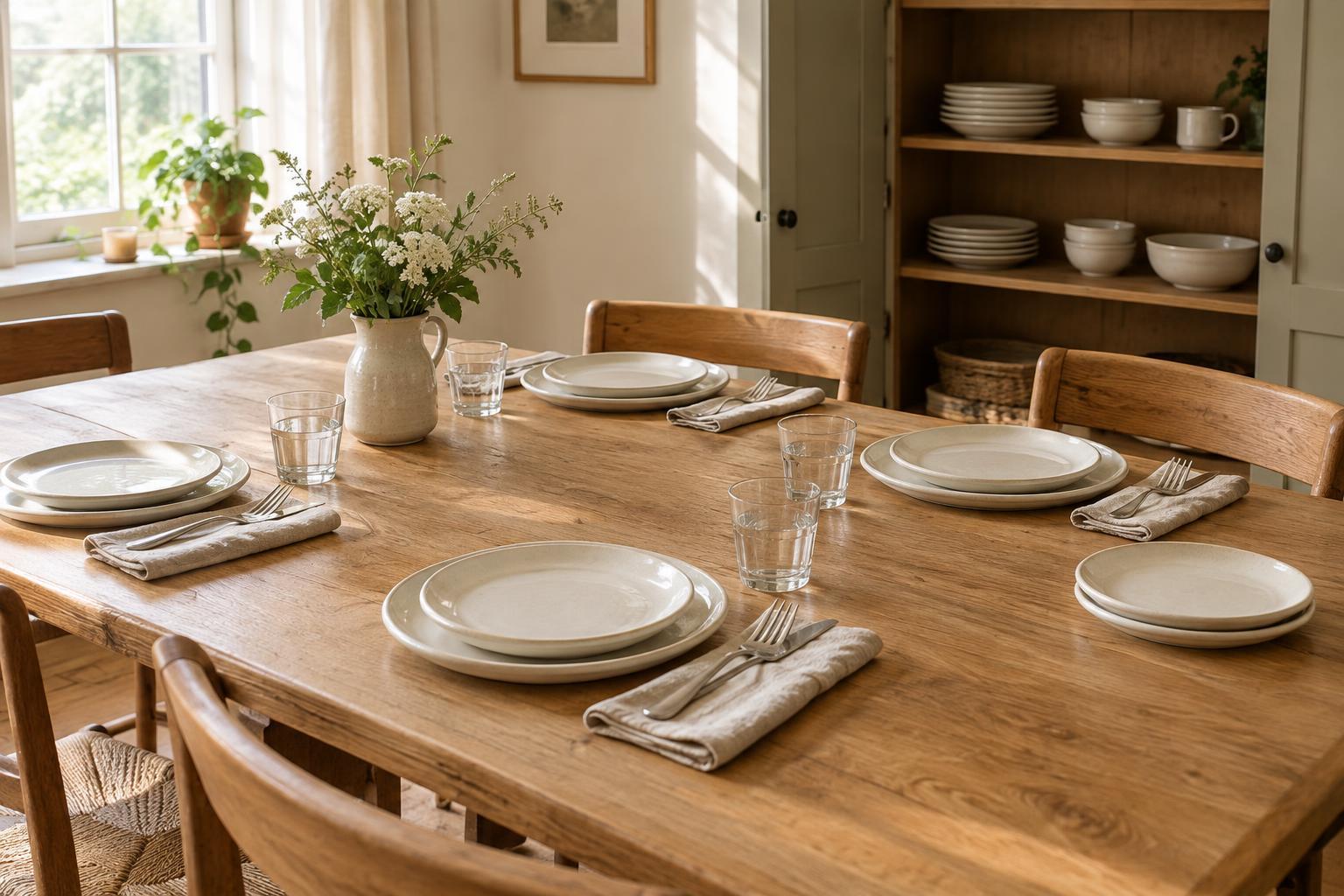
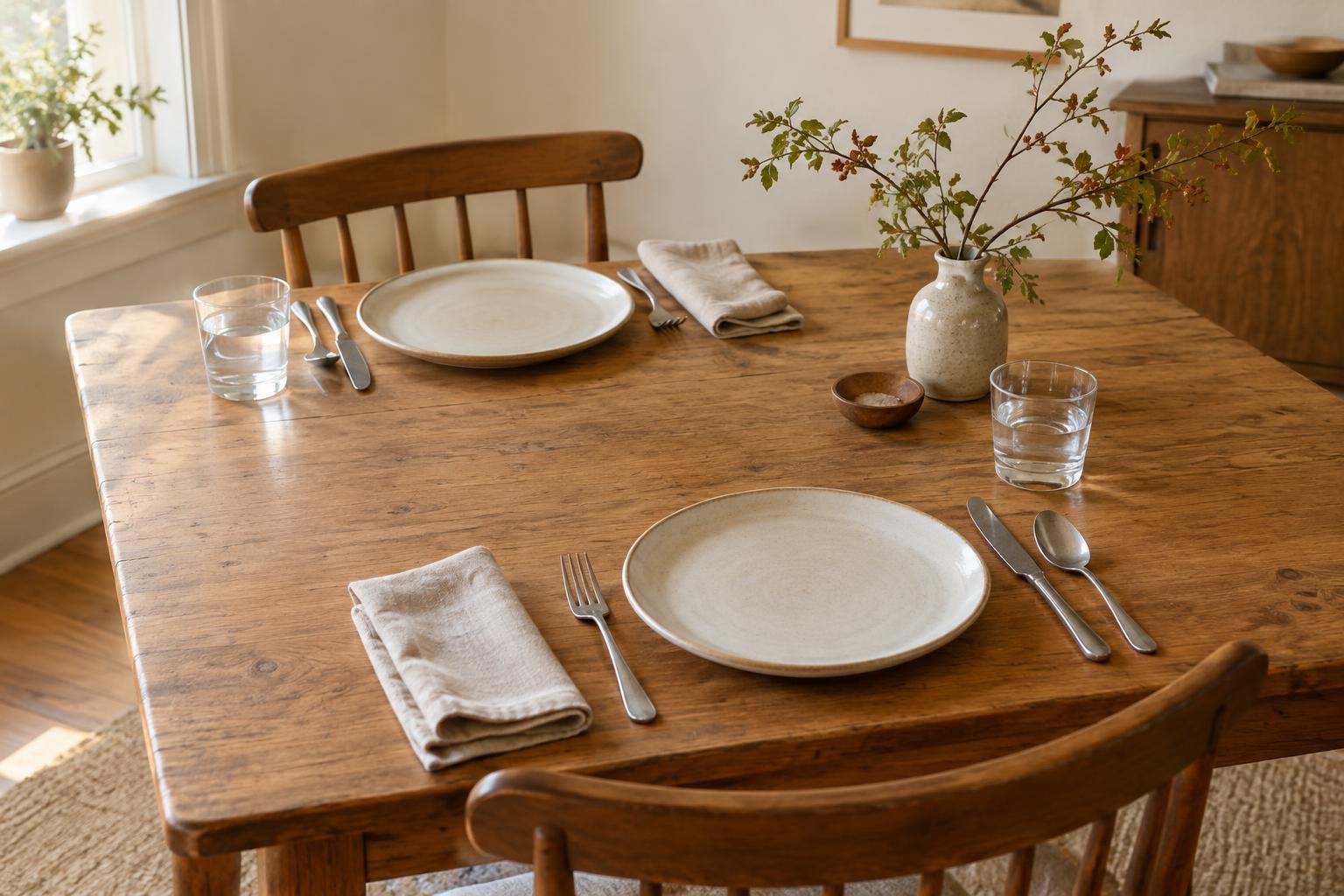
A useful everyday place setting starts with room to eat comfortably, not with perfect symmetry. Set one place for each person and check that chairs can be pulled in without elbows competing for space. The dinner plate sits in front of the chair and acts as the center of the setting. A placemat can help define that area, but it is optional. On a small table, an uncluttered surface may be more helpful than another layer.
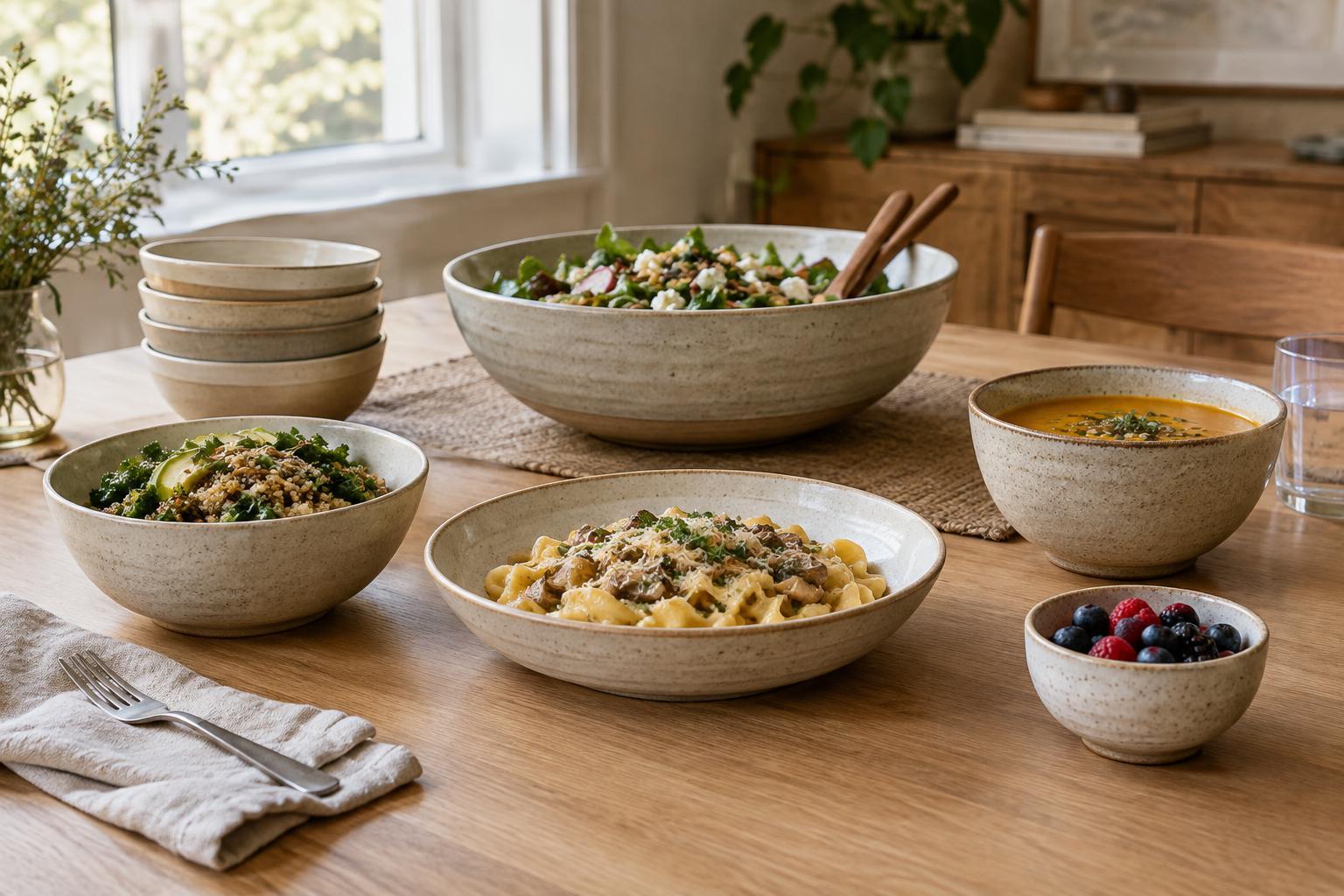
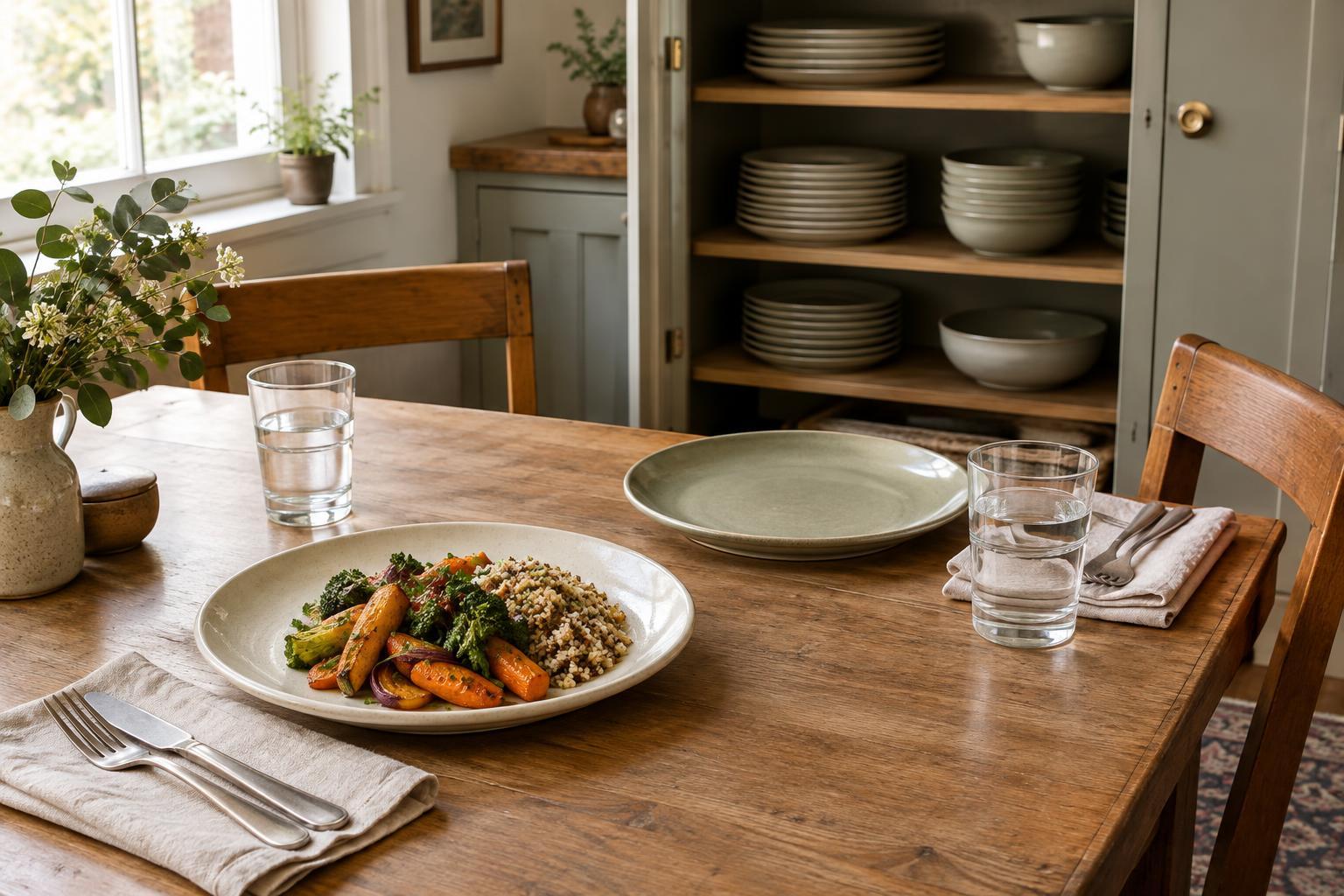
If the meal begins with soup or salad, you can bring out the appropriate bowl or plate when it is needed rather than stacking everything at once. For a one-dish dinner, put out only the plate or bowl guests will use. Leave enough clear space nearby for serving dishes, shared condiments or a water jug so no one has to reach across another person’s setting.
Place cutlery in a simple, familiar order
The usual arrangement is fork on the left of the plate, knife on the right, and spoon to the right of the knife if the meal calls for one. Turn the knife blade toward the plate. Keep the handles roughly level near the lower edge of the plate or placemat. They do not need to line up to the millimeter; a little breathing room between the pieces makes them easier to pick up.
Set out only the cutlery the meal needs. A fork and knife are plenty for many dinners, while soup may call for a spoon instead of, or in addition to, a knife. If you are serving more than one course and want all the cutlery on the table from the start, place the piece used first on the outside. Otherwise, bringing a fresh spoon or fork with the next course keeps the table simpler.
Dessert cutlery can wait until dessert. This saves space and avoids making an ordinary meal feel more complicated than it is. If someone prefers a different arrangement or uses cutlery with a particular hand, adjust their setting for comfort. The point of a place setting is to make the meal easy to enjoy.
Give glasses a safe, reachable spot
Place a water glass above and slightly to the right of the plate, near the tip of the knife. That position keeps it within easy reach without crowding the eating area. If you are using a second glass, group it nearby rather than spreading glasses across the top of the setting. Allow enough distance between them that a hand can lift one without knocking the other.
Think about how the table will be used before filling every available spot. A low, sturdy glass may be more practical for a busy weeknight table than delicate stemware. On a narrow table, move glasses a little farther toward the center only if they will remain easy to reach and clear of serving dishes. If space is especially tight, put a water jug on the table and keep each person’s single glass close to their plate.
Choose a convenient place for the napkin
A napkin can sit to the left of the fork, under the fork, or neatly on the plate. There is no need for an elaborate fold: a simple rectangle is easy to pick up and use. If the plate holds food when people sit down, place the napkin beside it instead. If you have chosen a placemat, keep the napkin within its edge when possible so the setting feels contained.
Cloth napkins add softness and can be washed and reused; paper napkins may suit a quick meal or an especially messy menu. Either choice works better when guests can spot the napkin immediately. Avoid tucking it beneath a hot dish or a full glass, where taking it could disturb the rest of the setting.
Make the final check from a seated position
Once the table is set, sit down at one place and look at what a guest will actually reach for. Is the glass clear of the plate? Can the napkin be lifted without shifting cutlery? Is there room to pass a dish or set down a serving spoon? Small adjustments at this stage do more for comfort than adding extra pieces.
For an everyday table, consistency is useful, but it need not be rigid. Center each plate, put necessary cutlery beside it, set a glass at the upper right, and place a napkin where it is easy to take. Then adapt that pattern to the food, the table and the people sharing it. A setting that gives everyone space to eat and talk is doing its job.