Start with the people who eat at home
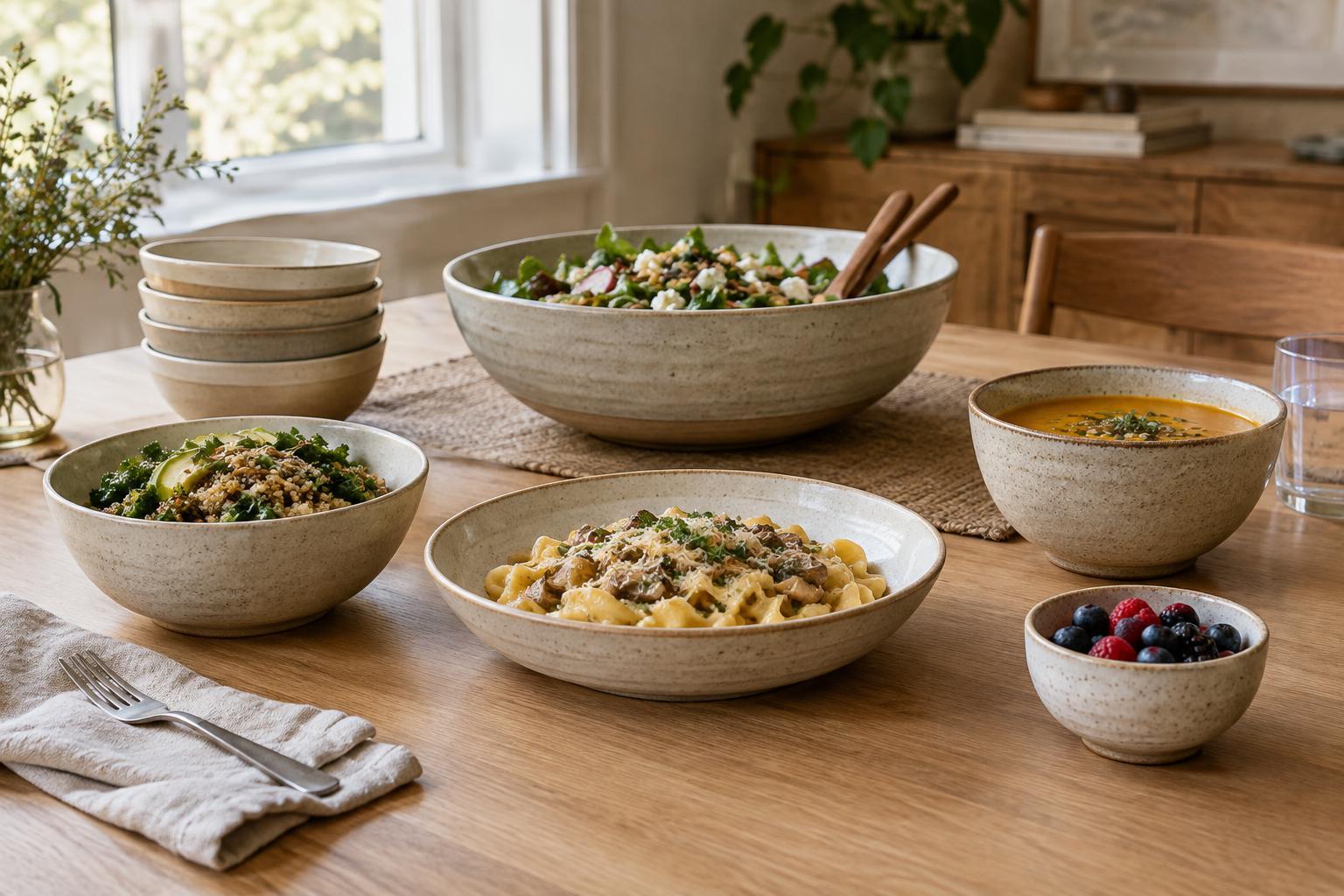
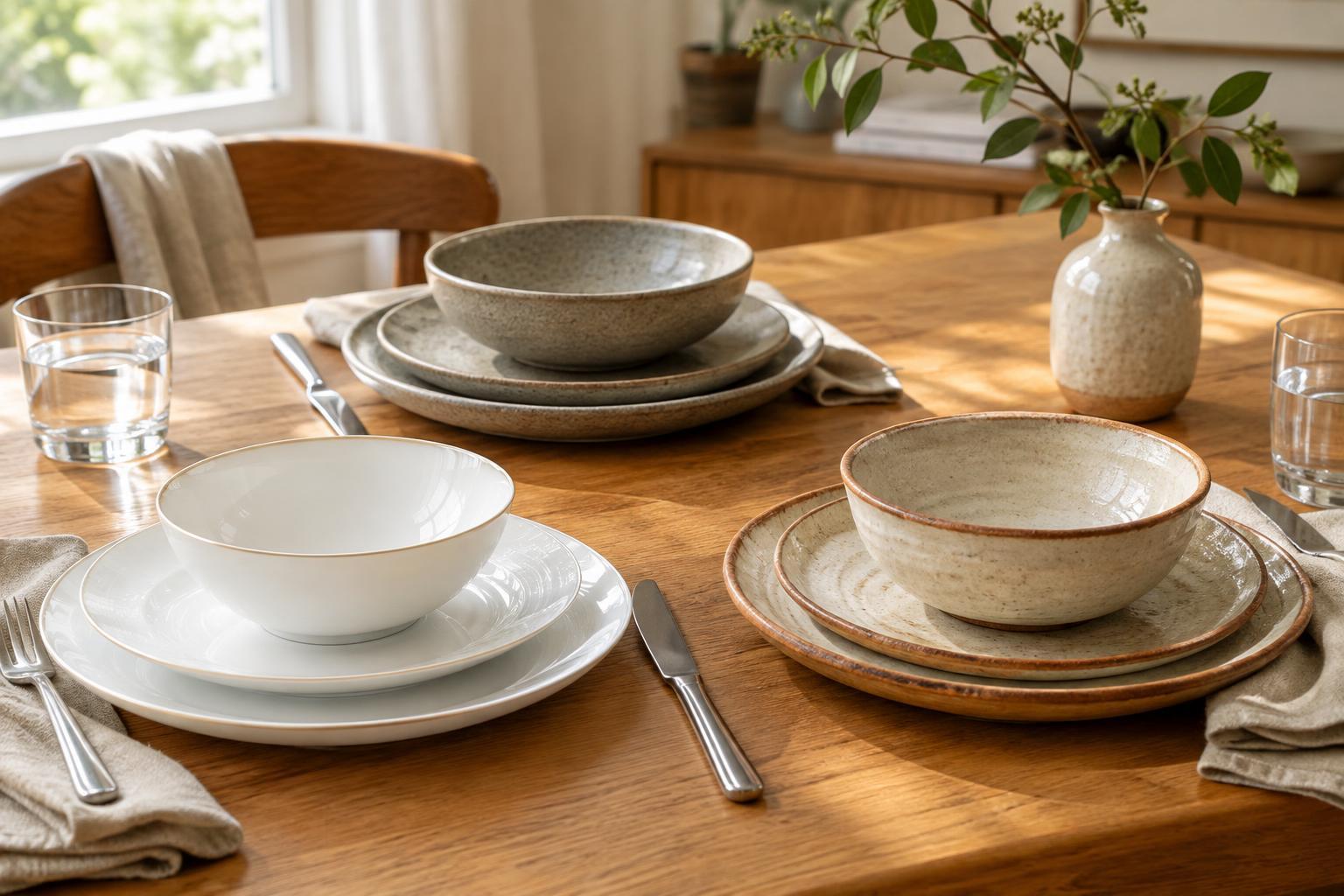
A place setting usually means one person’s share of dinnerware, such as a dinner plate, smaller plate and bowl. Sets vary, though: some include a mug, while others substitute a pasta bowl or omit a smaller plate. Before deciding how many settings to buy, check what the set actually contains. You may need eight bowls but only four mugs, especially if you already have cups you like.
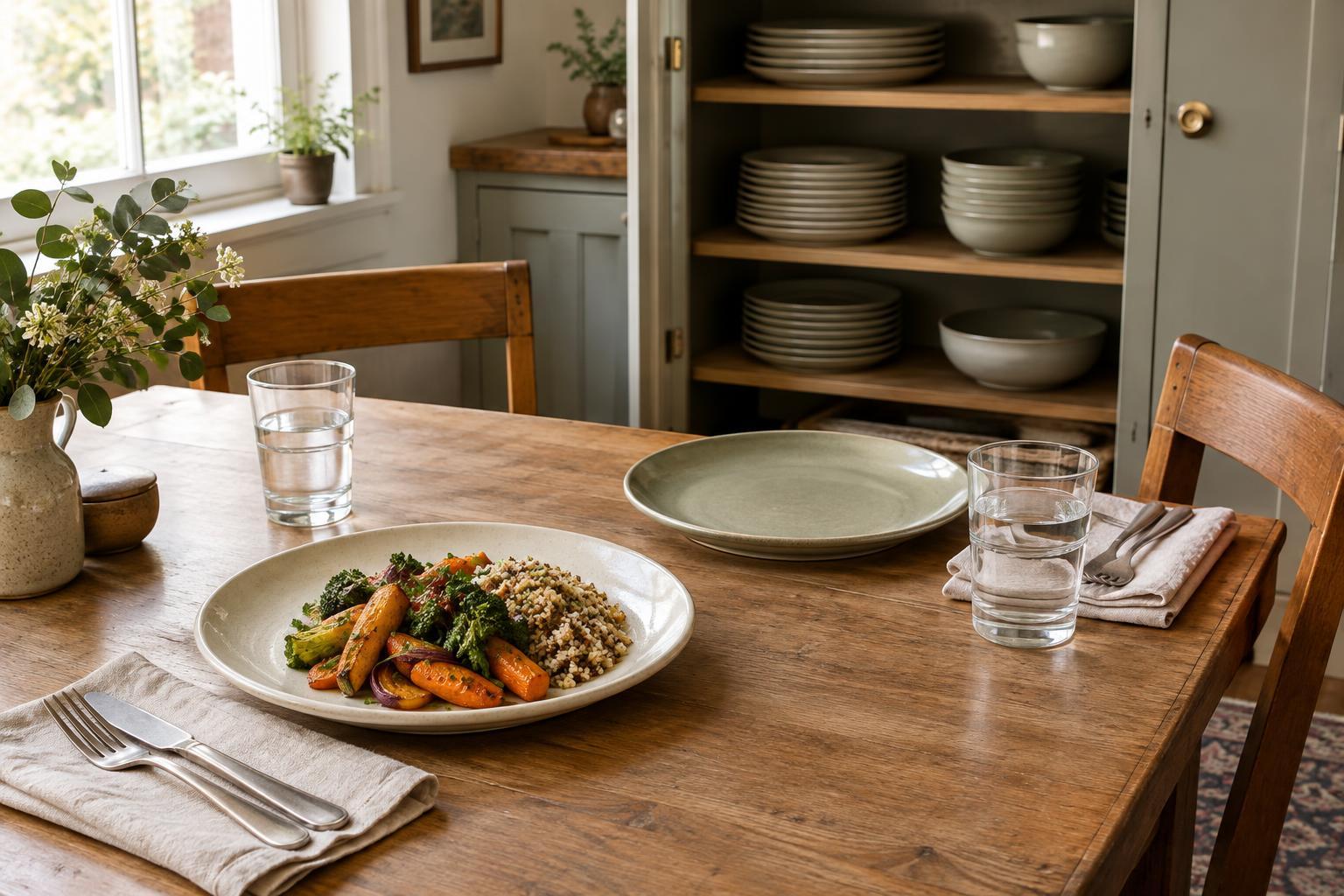
As a starting point, allow one setting for each person who regularly eats at home. Then think through an ordinary day rather than a special occasion. If someone uses a plate for lunch and another for dinner, one plate per person will require washing in between. A household of two might find four settings comfortable for daily use, while a household of four might prefer six or eight. These are starting points, not rules; the useful count is the one that keeps meals easy without crowding your cupboards.
Let your washing routine set the buffer
The time between washes often matters more than the number of chairs at your table. If you wash dishes after each meal, a small set can work well. If you run the dishwasher every other day, you will need enough clean plates and bowls to bridge that gap. Count the pieces your household tends to use before the next wash, then add a modest buffer for a late snack, a broken plate or an unexpected guest.
Different pieces may need different buffers. Bowls can disappear quickly in a home where breakfast, soup and snacks all call for one. Dinner plates may last longer if lunches happen elsewhere. Rather than doubling an entire set to solve a shortage of bowls, consider buying a few extra bowls in a coordinating shape or color. This keeps your collection useful without filling shelves with pieces that rarely leave the cupboard.
Plan for the guests you actually host
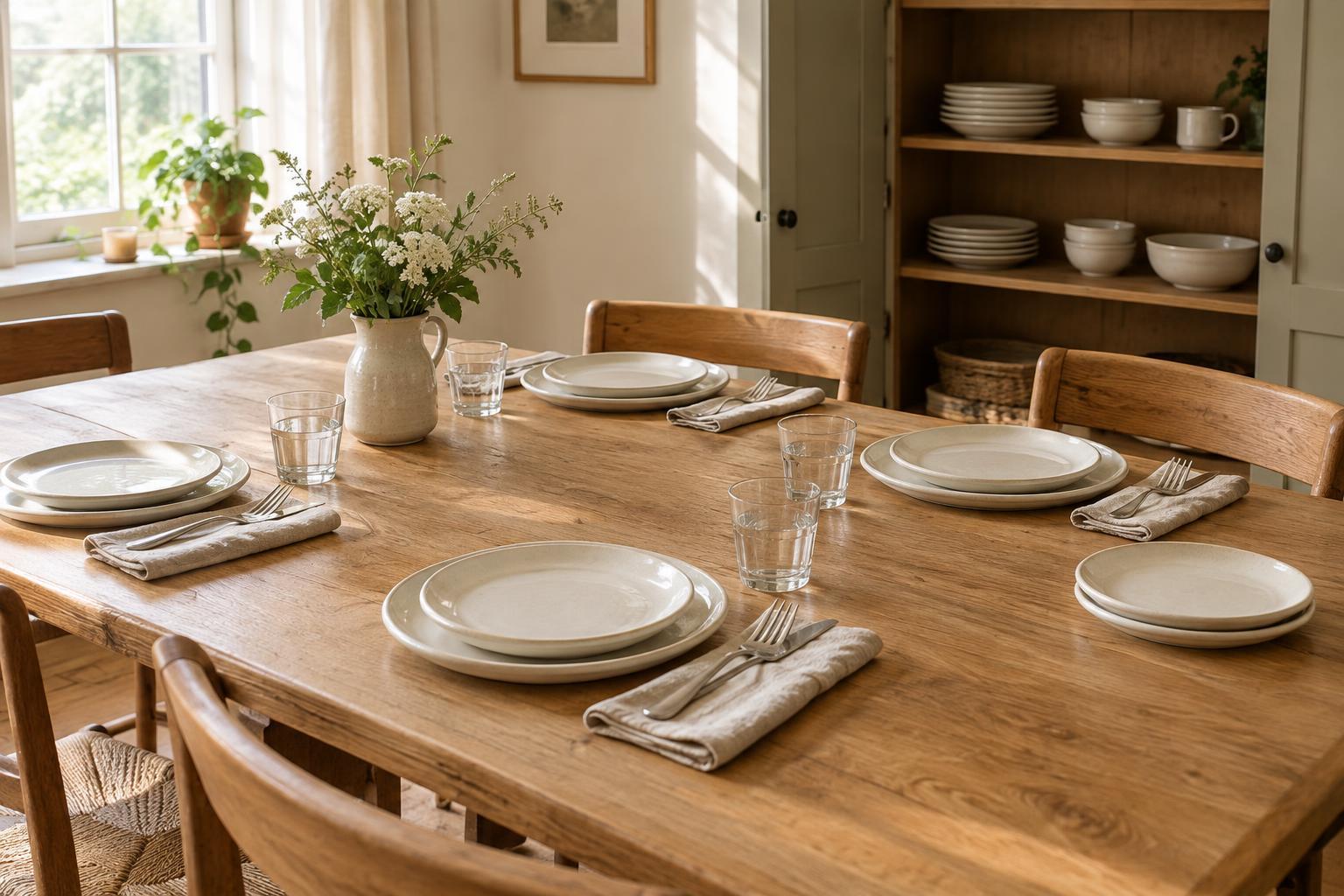
Next, picture the gathering you host most often. If two friends regularly join a household of four for dinner, six usable dinner plates and six suitable bowls may be enough. If you occasionally seat a larger group, decide whether you want one matching table or are happy to mix everyday dishes with another set. A coordinated table does not require every piece to be identical: repeating a color, material or plate size can make a mixed collection feel intentional.
It is easy to buy for the largest party you can imagine, but that party may not justify storing a full extra set all year. For infrequent gatherings, borrowing dishes, using sturdy reusable serving pieces or planning a menu that needs fewer courses may be more practical. Count the seats you usually fill, not just the seats your table could hold. That distinction can save space for the platters, serving bowls and glassware that make hosting easier.
Check what fits your meals and your cupboards
Before purchasing, lay out a typical meal in your mind. A shallow pasta bowl may serve several purposes, while a small side plate might be essential if your household often eats toast, fruit or dessert. Think about how the pieces stack and whether they fit your dishwasher, drying rack and shelves. A generous plate can look inviting on a table yet prove awkward in a narrow cabinet.
Leave room to lift a stack safely rather than packing a shelf to its limit. Dinnerware you can reach and put away easily is more useful than a larger collection stored in boxes. If space is tight, prioritize the pieces you use every week and keep occasional extras to a manageable number. A simple, versatile shape also makes it easier to add or replace individual pieces later, though availability is never guaranteed.
Choose a count, then adjust over time
For a practical first purchase, start with enough settings for everyone at home plus the number of guests you regularly invite, provided that count fits your storage. If that feels like too much, begin with your daily needs and add individual pieces after you notice a real shortage. Keep an eye on which dishes run out first over a normal washing cycle; that tells you more than a standard box size does.
The goal is not a perfect number that works for every household. It is a comfortable rhythm: enough clean dinnerware for everyday meals, enough flexibility to welcome people to the table and few enough unused pieces that your cupboards remain pleasant to use.