Begin with the life you want the room to support
Interior style is more useful when it describes a way of living, not just a look. Before browsing furniture, think about what happens in each room on an ordinary day. Do you read on the sofa, eat at the kitchen counter, host friends around a table or need clear floor space for children to play? A room that looks inviting in a photograph may not work for the habits that make your home yours.
Write down three words for the atmosphere you want, such as calm, warm and unfussy. Then list the practical needs that furniture must meet: seating for guests, easy-to-clean surfaces or storage for everyday clutter. Keep both lists nearby. They will help you judge a piece by more than its appearance and make it easier to explain why something beautiful might still be wrong for your space.
Look for patterns in what you already love
You do not have to name a design style before you can recognize your preferences. Walk through your home and notice the pieces you would happily keep: a woven basket, a painted cabinet, a linen cushion or a sturdy old table. What do they have in common? They may share soft edges, visible texture, simple shapes or a certain depth of color. Include objects you use often, not only those you display.
If you collect images for inspiration, gather a small group of rooms you would actually enjoy living in. Look past the overall impression and note repeated details. Are the rooms bright or softly lit? Is the furniture low and relaxed or more upright and tailored? Which materials appear again and again? A pattern across several images is a better guide than a single striking room, which may appeal to you for one feature rather than its entire style.
Choose a palette and a material direction
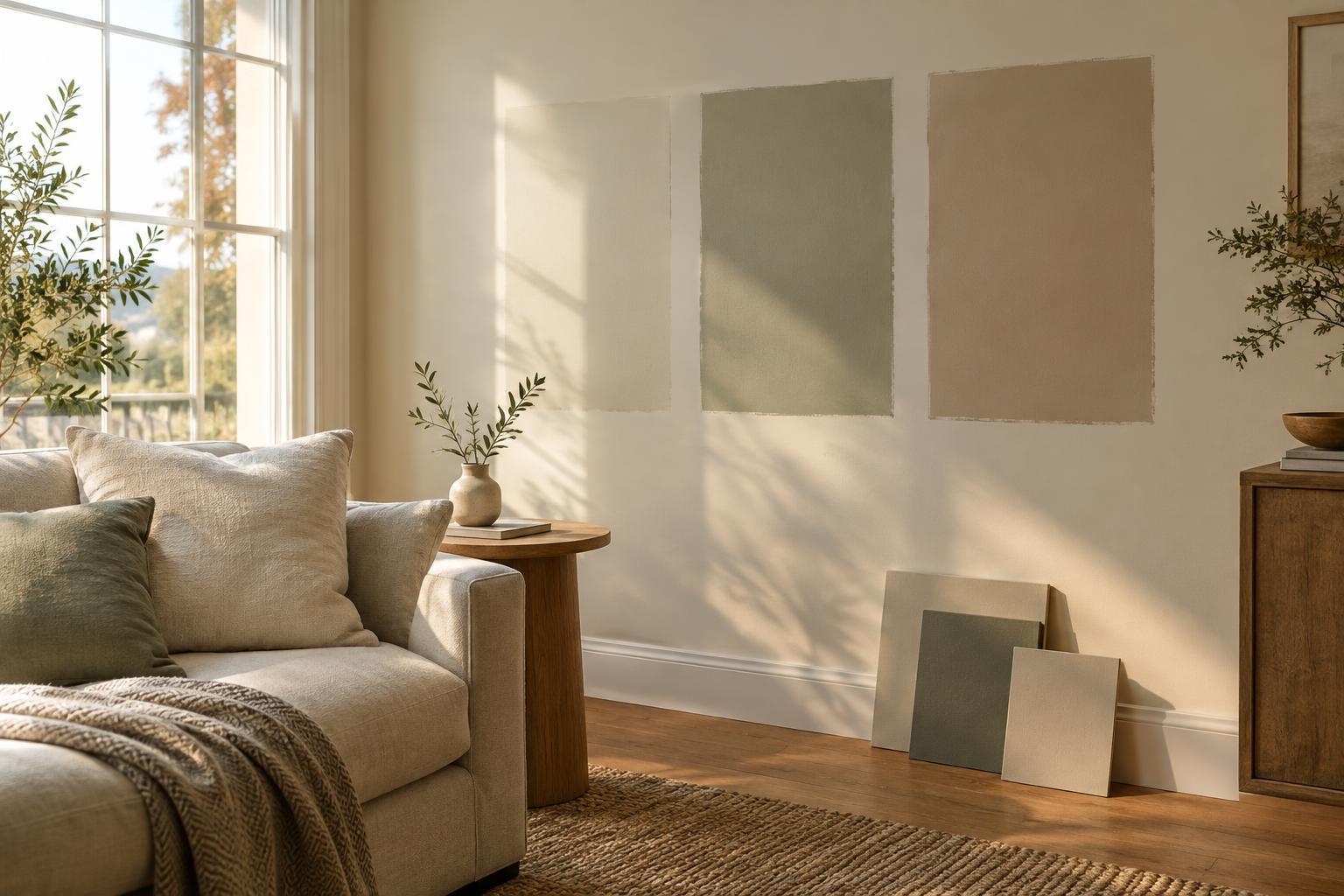
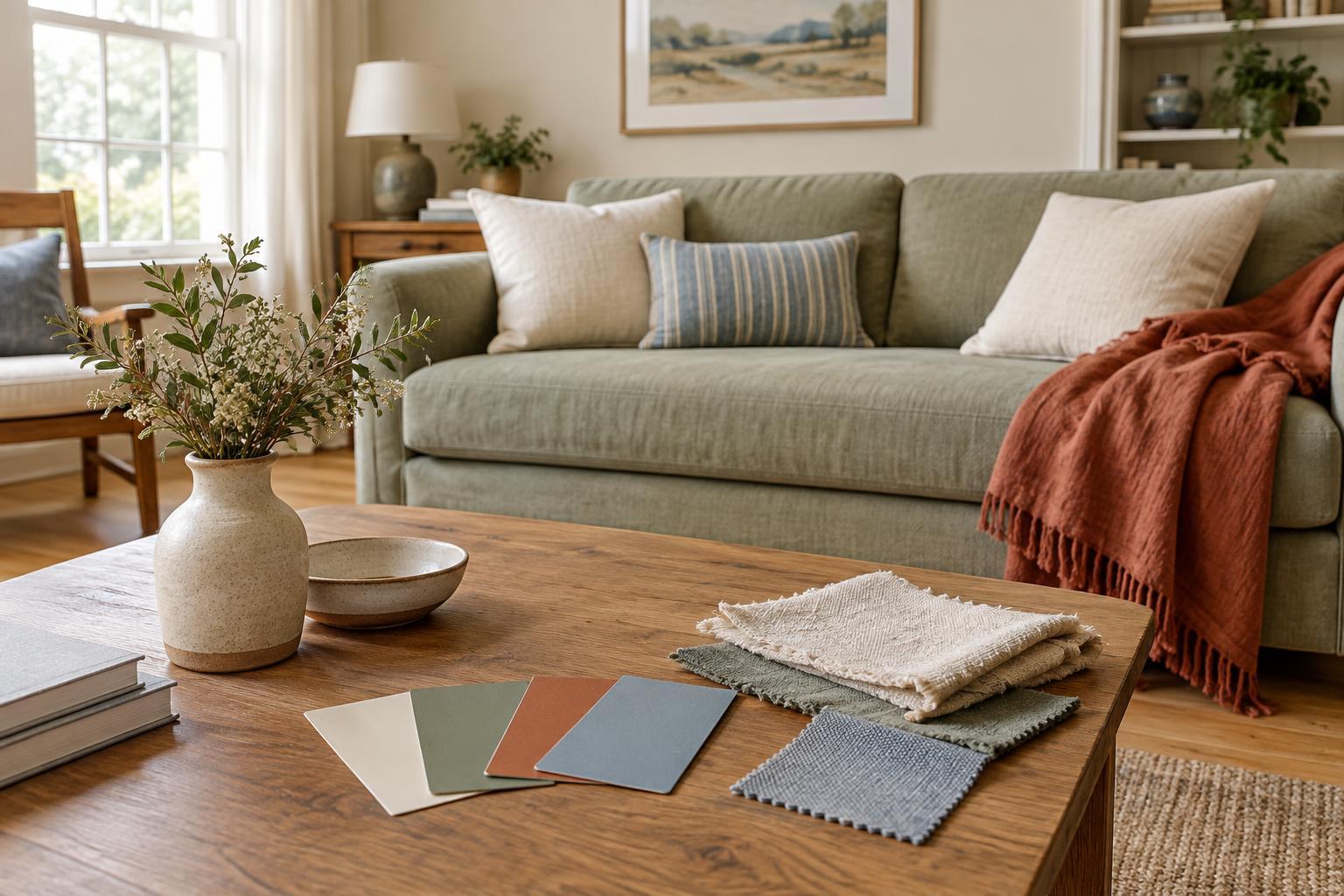
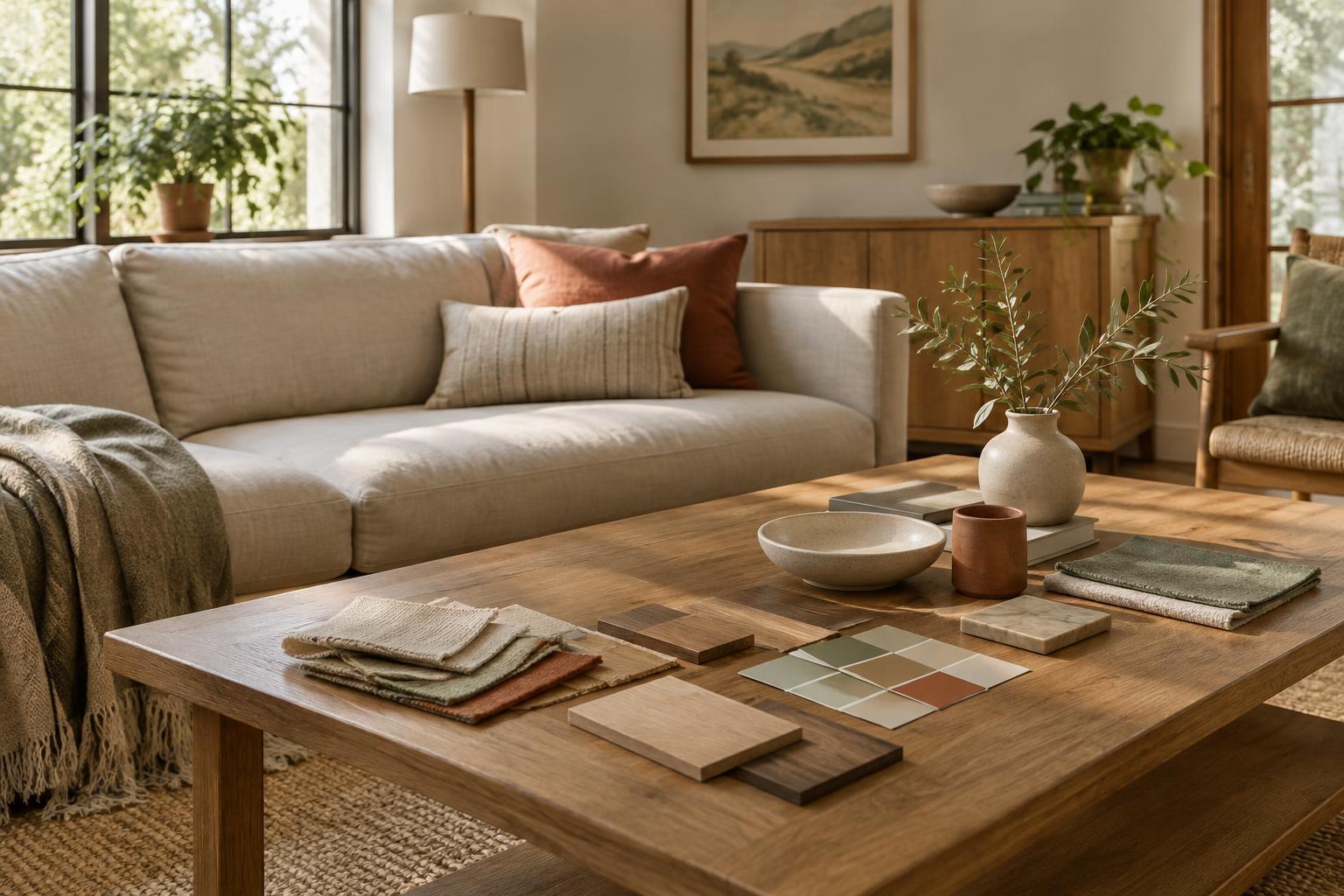
A starting palette gives separate purchases a sense of connection. Notice the colors already present in your floors, walls and larger items, especially those you do not plan to change. Choose a few tones you enjoy alongside them. You need not match everything: a warm wood table, muted wall color and darker upholstered chair can work together when their combination feels intentional to you.
Materials matter just as much as color. Smooth painted finishes, grainy wood, woven fibers, metal and soft textiles each affect how a room feels. Pick a few you would like to repeat, then vary their scale. For example, wood might appear in a large dining table and a small picture frame, while linen or cotton brings softness through curtains and cushions. Repetition provides continuity without requiring a matching furniture set.
Turn your preferences into buying criteria
Before shopping, make a short description of your direction. It could be as simple as: “A relaxed room with warm wood, natural-looking textiles, muted colors and comfortable seating.” Add a few boundaries, such as avoiding delicate finishes on heavily used surfaces or keeping bulky pieces out of a narrow room. This description is not a rulebook; it is a filter for the many attractive options you will encounter.
For each major purchase, ask three questions. Does it meet a real need? Does its size suit the room and leave comfortable paths through it? Does it relate to at least one part of your chosen palette, material direction or overall mood? Measure the available space and consider how doors, drawers and chairs will move when the piece is in use. A sofa that fits against a wall on paper may still make the room feel crowded.
Test the direction before committing
Small, reversible changes can show you whether your idea feels right at home. Try rearranging what you own, grouping favorite objects differently or bringing in a throw and cushion in your proposed colors. Look at the room at different times of day and notice whether the atmosphere still appeals to you. If a sample of upholstery or finish is available, view it beside your existing surfaces rather than judging it in isolation.
Buy large furniture at a pace that lets you learn from each addition. Start with the piece that solves the clearest need, then see what the room asks for next. Your style may become more precise as you live with it, and that is an advantage, not a setback. The goal is not to finish a room in one shopping trip. It is to build a home where the furniture supports daily life and the details feel recognizably yours.