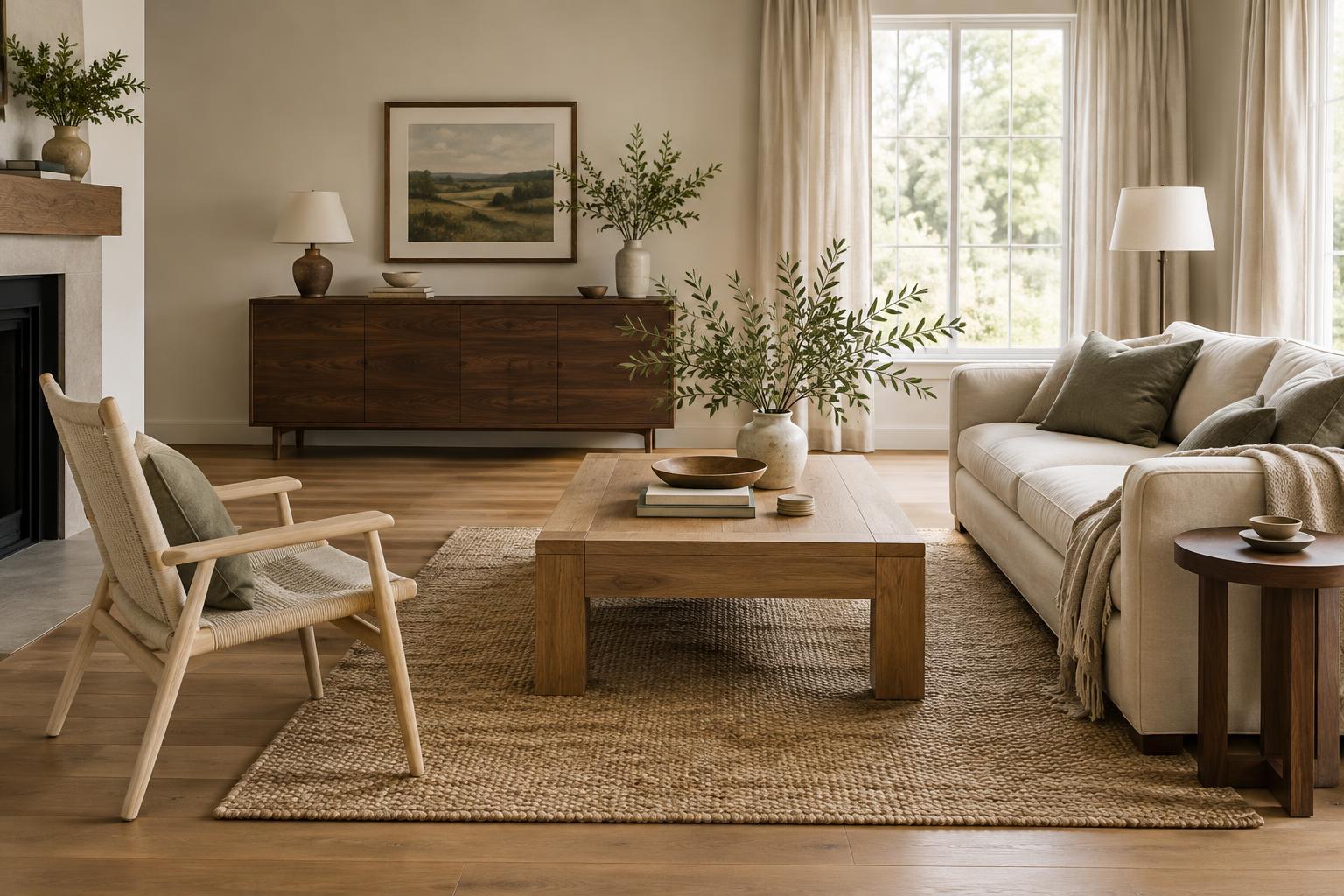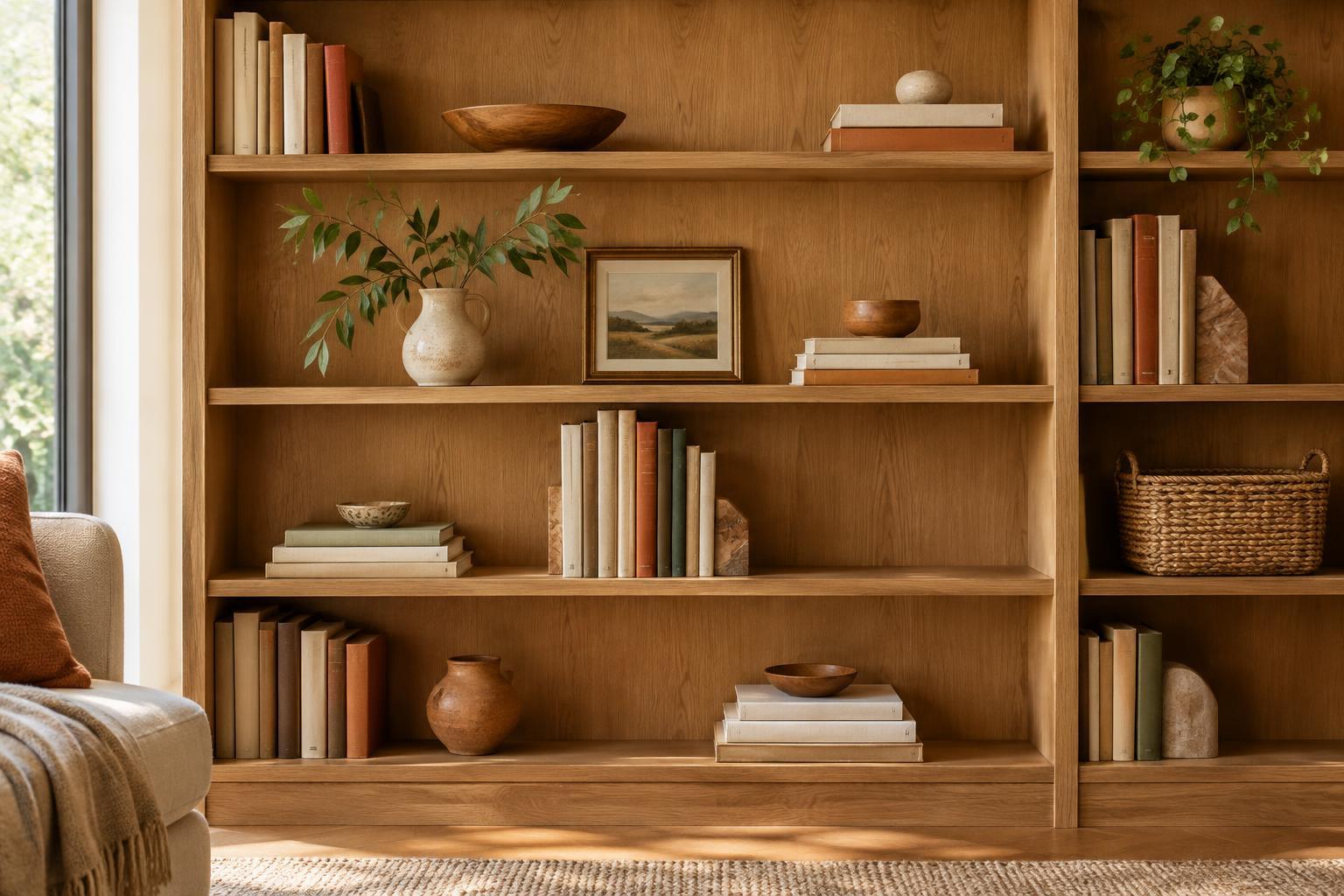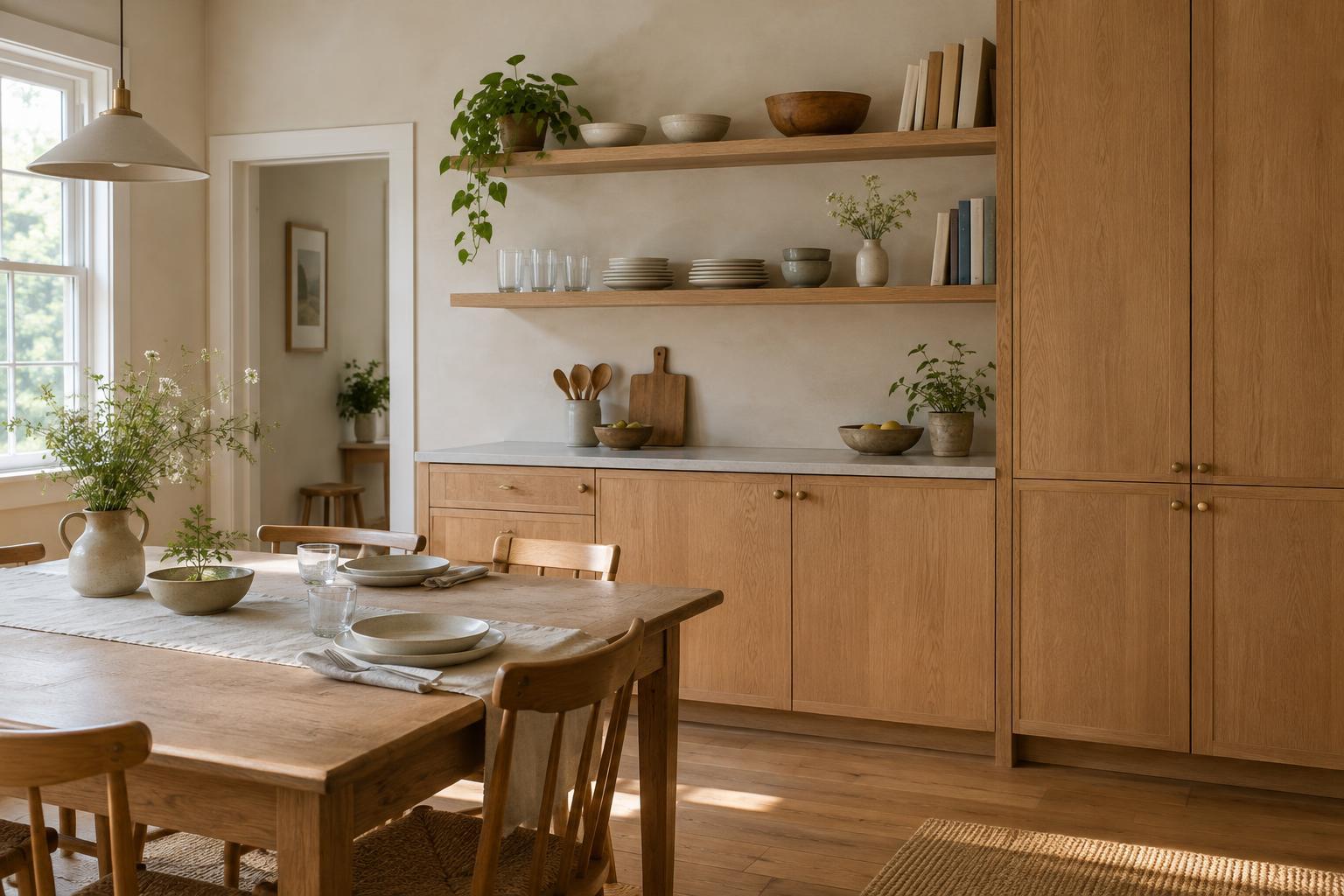
Start with how the room is used
The best place for art is not always the middle of an empty wall. Before measuring, notice where people usually sit, stand and enter the room. A piece that looks well placed from the doorway may feel too high when viewed from the sofa. In a dining area, check how it looks from a chair as well as from the entrance. These everyday viewpoints are more useful than trying to make every picture line up throughout the house.
Choose a wall where the art has room to be seen without competing with a busy shelf or a door that swings open beside it. Pay attention to lamps and natural light, too: glare can make framed glass difficult to enjoy. If a location gets strong direct sunlight, consider whether the artwork or its materials might fade over time.
Use eye level as a starting point, not a rule
For a single picture on an open wall, begin by placing the center of the artwork around standing eye level. That usually feels more connected to the room than hanging its top edge at eye level, which can leave most of the piece too high. Hold it against the wall and step back before choosing a final position. The size of the work, ceiling height and usual viewing distance may all suggest a small adjustment.
In rooms where people mainly sit, a slightly lower position can feel more comfortable. This is especially true for art beside a reading chair or along a dining banquette. In a hallway, standing eye level often makes more sense. You do not need one exact height for every wall; aim for a consistent visual relationship with the space around each piece.
Let furniture anchor the artwork
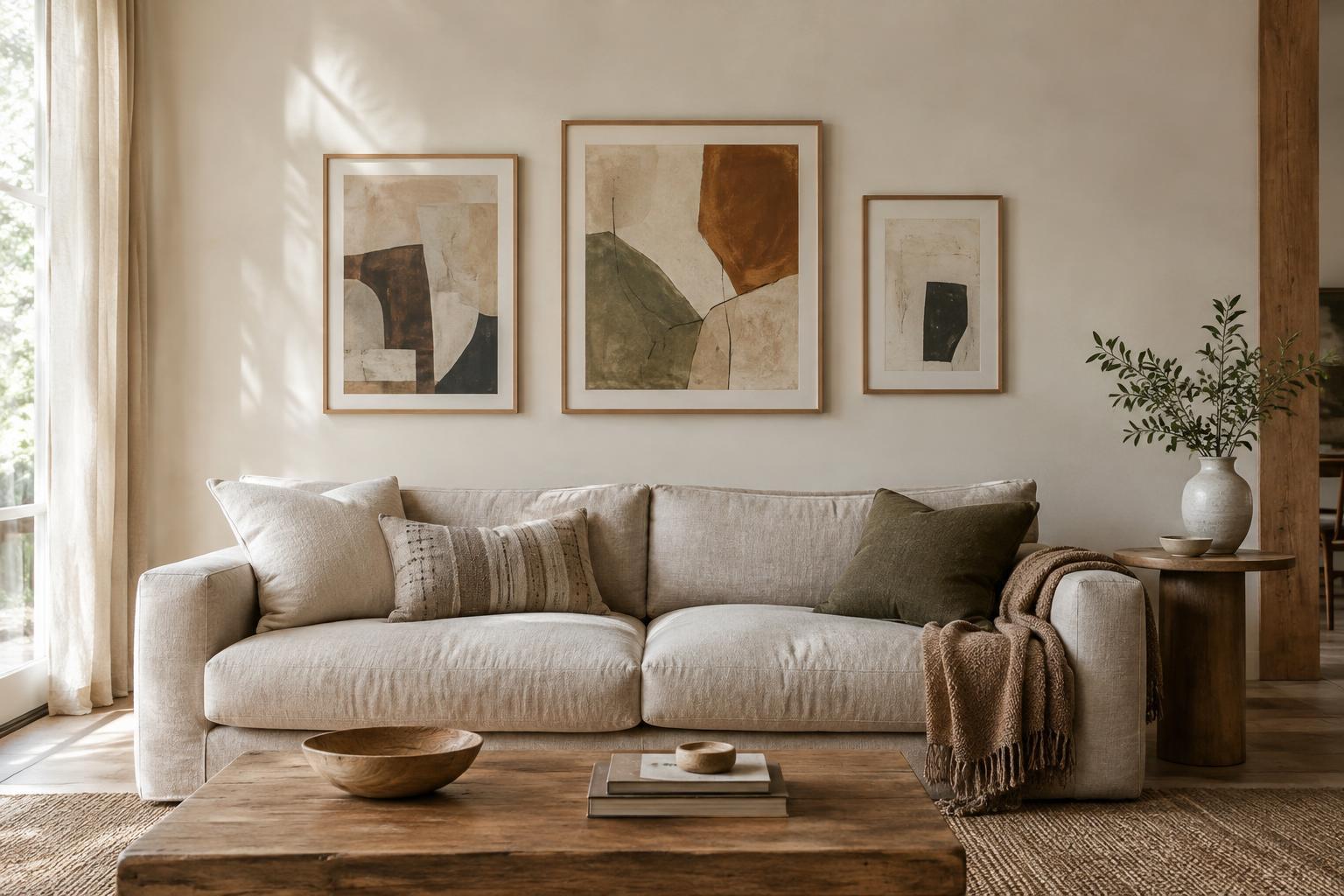
Art above a sofa, console or headboard generally looks more settled when it sits close enough to read as part of the arrangement. As an initial test, leave roughly a hand’s width or a little more between the furniture and the bottom of the frame, then adjust for cushions, tall objects or the shape of the artwork. A wide gap can make the picture appear to float away from the furniture.
Scale matters as much as height. One small frame over a long sofa may look isolated, while a large piece or a coordinated group can give the wall a clearer focal point. Try to keep the overall arrangement narrower than the furniture beneath it, with breathing room on both sides. Over a console, account for vases, lamps or branches so they do not obscure the image. Over a headboard, check that frames and fixings are secure, and avoid a position where someone might bump them.
Treat a gallery wall as one arrangement
When hanging several pieces, imagine the outer edges forming one larger shape. Position that shape in relation to the furniture or wall rather than setting each frame at its own eye level. A common center line can bring order to frames of different sizes, but it is not the only option: aligning bottom edges or building around one larger piece can work just as well.
Keep the gaps between frames reasonably consistent so the group feels intentional. Tighter spacing tends to make varied pieces read as a collection; wider spacing gives each one more independence. Mix frame finishes or subject matter if you like, but repeat something—such as a color, mat width or general shape—to help the group feel connected. For a stairway arrangement, follow the rise of the stairs gradually and check the view from both the landing and the bottom step.
Test the position before you hang
A few minutes of planning can prevent extra holes. Trace frames onto paper, cut out the shapes and tape them to the wall with a wall-safe tape. Move them until the height and spacing feel right from your usual viewing spots. For a single large work, have someone hold it in place while you step back. If you are hanging a group, lay the pieces on the floor first to explore the order.
Before installing hardware, measure where the hanging point sits on the back of each frame; it may be well below the top edge. Choose fixings suited to the wall and the weight of the piece, and check for hidden wiring or pipes before drilling. Once the art is up, live with it for a day or two. A small adjustment can make the placement feel natural, as though the piece has always belonged there.