Start with the meals you actually serve
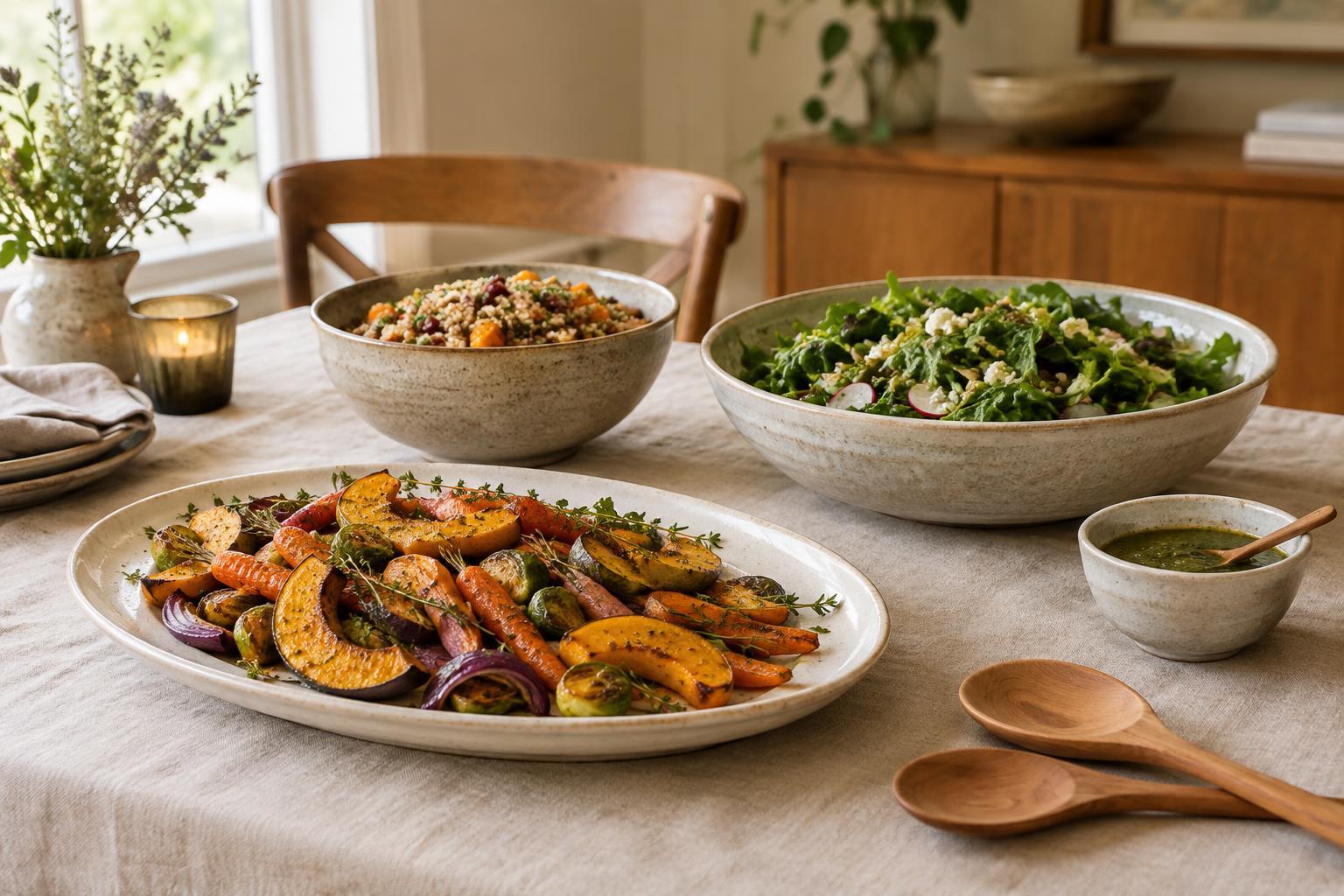
Before choosing a platter or bowl, think through a few meals you make often. A household that serves roast vegetables, sliced bread and sheet-pan dinners may get more use from broad, shallow pieces than from a deep serving bowl. If pasta, grain salads and saucy dishes appear regularly, generous bowls may be the better starting point. The goal is not to own a separate dish for every recipe. It is to find pieces flexible enough for several familiar meals.
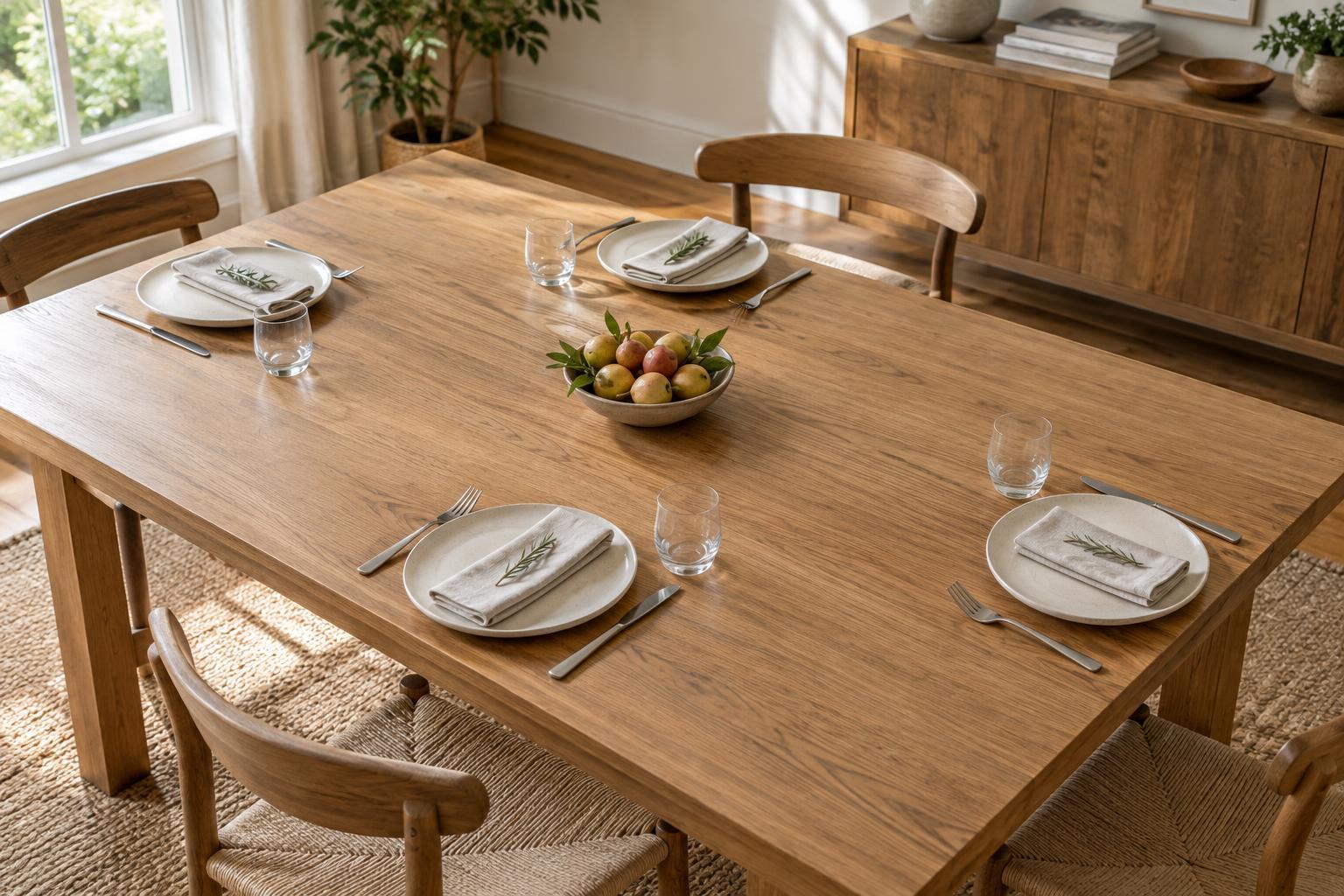
Consider how food moves from kitchen to table, too. Do you carry one main dish to the center, or put out several smaller sides? Do guests serve themselves, or do you pass dishes around? A platter that looks right on an empty table may feel awkward once plates, glasses and hands need room. Measure your table and cupboard shelves before buying, and leave space around each piece so serving feels comfortable.
Match the shape to the food
Platters work well when food benefits from being spread out. Sliced meats or vegetables are easier to see and pick up when they are arranged in a single layer. Bread, pastries and small sandwiches can also sit on a platter without being piled high. An oval platter can fit neatly along the center of a rectangular table, while a round one may suit a compact setting where people reach from several sides.
Bowls are better at containing food that tumbles, mixes or holds dressing. Choose a wide, relatively shallow bowl when you want guests to see and reach individual ingredients, such as in a composed salad. A deeper bowl helps keep loose greens, pasta or a generous side dish together. For food with sauce, look for enough depth to contain it and a rim that gives you a steady place to grip. A small serving bowl is often more useful than an oversized one for nuts, olives or condiments.
Choose a size that allows room to serve
A serving piece should hold the food without looking strained, but filling it to the edge makes scooping and passing difficult. Imagine the portion you usually prepare, then allow space for a spoon or tongs to move. A large salad needs room to be tossed before it reaches the table; a platter of vegetables needs enough surface area that guests can lift a portion without disturbing everything beside it.
If you host different group sizes, a pair of medium pieces may be more adaptable than one very large piece. Use one for an ordinary dinner and both when more people come over. Medium pieces can also divide a dish into two spots on a long table, making it easier for everyone to reach. Before choosing a large platter, check that it fits not only on your shelf but also in the sink, where you will eventually wash it.
Consider material, weight and care
Ceramic and stoneware bring color and texture to the table and can work for many everyday dishes. Glass lets the food remain the focus and can sit comfortably alongside varied dinnerware. Wood offers a warm surface for dry foods such as bread, while metal can be useful when a lighter piece is easier to carry. Materials differ in weight, finish and care needs, so handle a piece if possible and picture it full of food.
Check the maker’s care guidance rather than assuming a serving piece is suitable for the oven, microwave or dishwasher. Think about the foods you serve as well: a smooth, nonporous surface is simpler to wipe clean after saucy dishes than a textured or absorbent one. If a platter is heavy when empty or has no comfortable place to hold it, you may be less inclined to use it, however attractive it looks.
Build a small collection that works together
You do not need matching sets to make a table feel considered. A shared quality, such as warm white finishes, rounded edges or earthy colors, can help different pieces sit together. If your dinnerware is patterned, simple serving pieces give the food and plates breathing room. If your plates are plain, a colored bowl or textured platter can add interest without changing the whole setting.
A practical starting collection might include one medium platter, one generous serving bowl and one smaller bowl for sides or extras. Add another piece only after noticing a recurring gap: perhaps bread has nowhere to go, or your usual pasta dish overflows its bowl. Choosing this way keeps storage manageable and makes each new piece earn its place at both weekday dinners and gatherings.