Start with what the room already offers
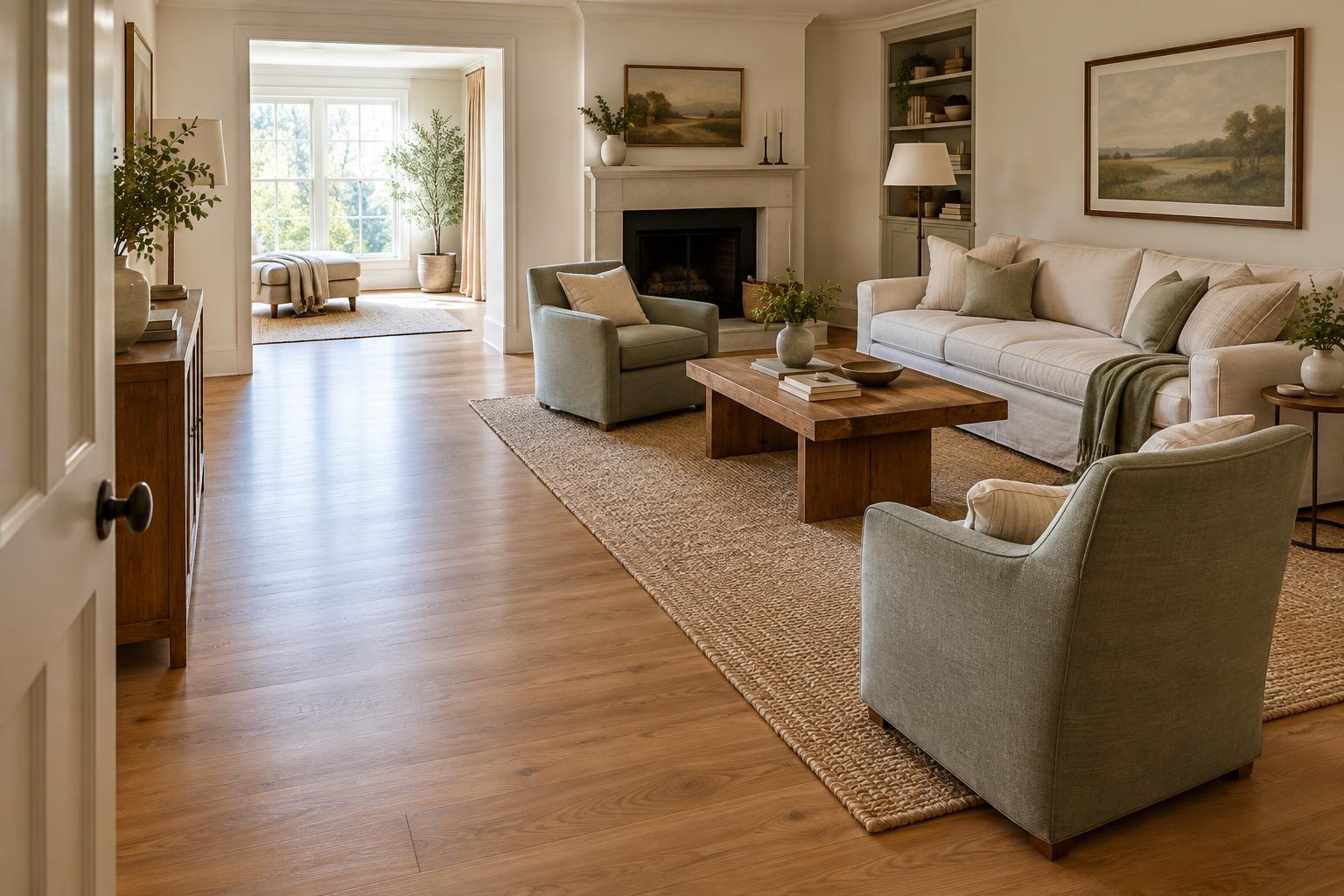
A focal point is the place your eye lands first when you enter a room. It gives the space a sense of direction, but it does not have to be grand. Without a fireplace, a generous window, an alcove, a long wall or a well-proportioned piece of furniture can do the job just as well. The best choice usually feels connected to the room’s shape and to the way you use it.
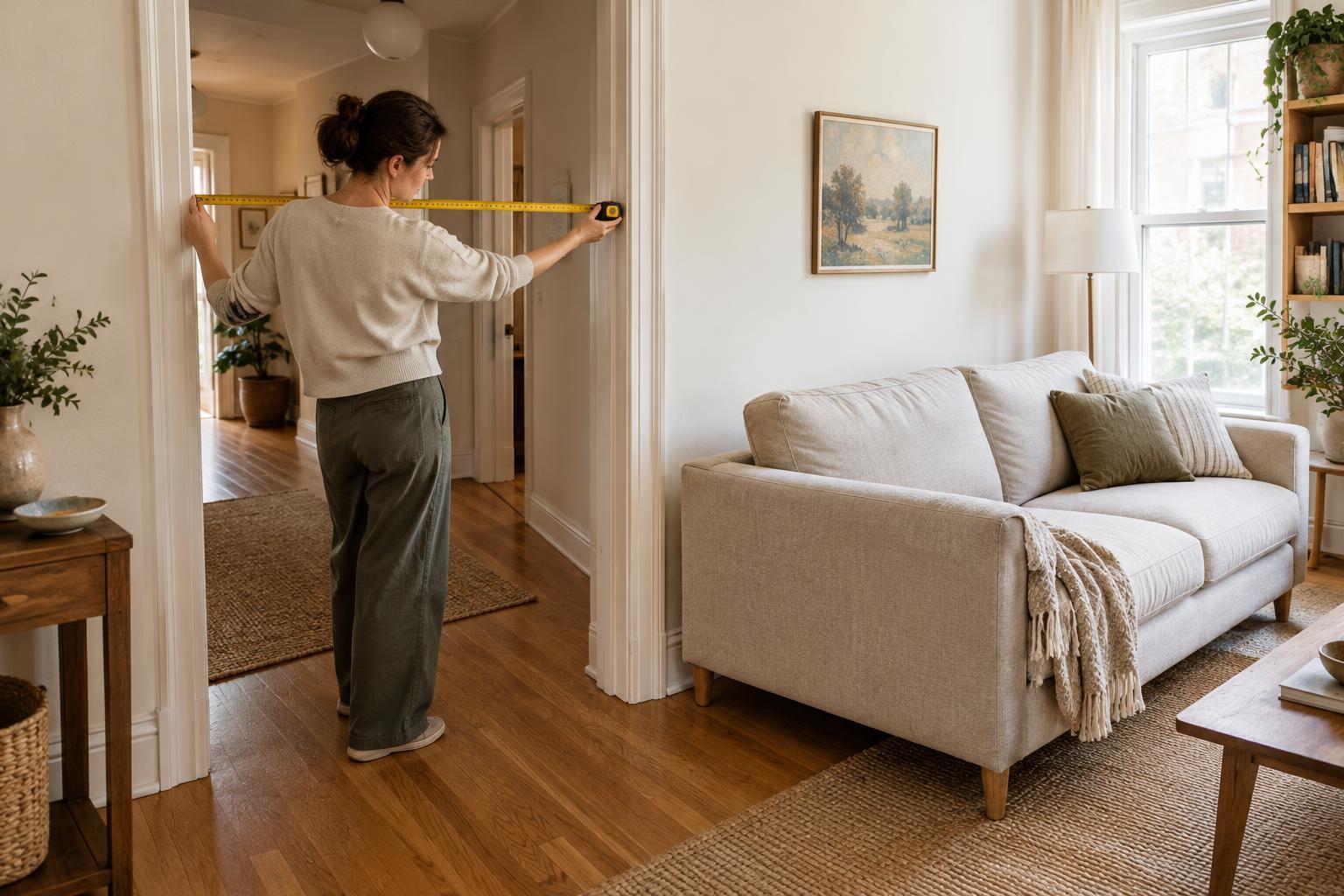
Stand at the main entrance and notice what you see before you start rearranging anything. Then look from the seats where people spend the most time. A window may be striking from the doorway but hidden behind a chair when you sit down. A focal point that works from both viewpoints will help the room feel coherent. If several features compete, choose one to emphasize and let the others play quieter roles.
Choose a focal point that suits the room’s purpose
In a sitting room, the natural anchor might be a sofa with a large artwork above it, a bookcase filled with familiar objects, or a window framed by curtains. In a dining room, the table itself can be the focus, especially when a pendant light, simple centerpiece or rug gives it definition. A bedroom often feels most settled when the bed is the clear visual anchor, supported by a headboard, wall color or balanced bedside lighting.
Think about what you want people to notice and what you want them to do. If conversation matters more than watching a screen, arrange seating so people face one another, then give their shared view a pleasing feature such as artwork or a display cabinet. A television can still have a practical place without becoming the room’s dominant feature. Choosing the focus around daily life is more useful than copying a layout that does not fit your habits.
Give the chosen feature enough presence
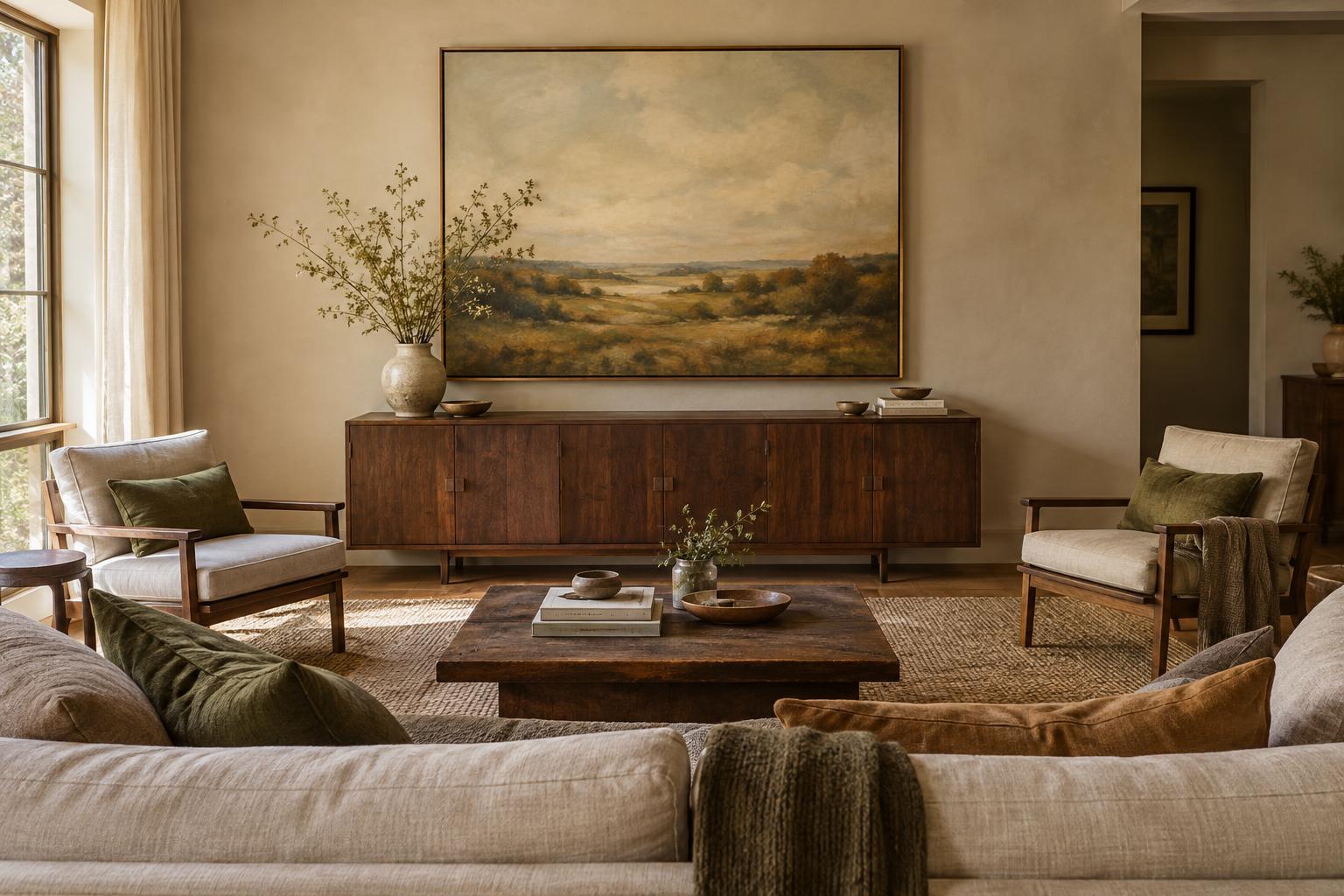
Once you have chosen a focal point, make it easy to read. Scale is often more important than decoration: one substantial artwork may hold a wall more confidently than several small pieces scattered across it. Above a sofa or sideboard, aim for a visual relationship between the feature and the furniture below. They should look like parts of one arrangement rather than unrelated objects.
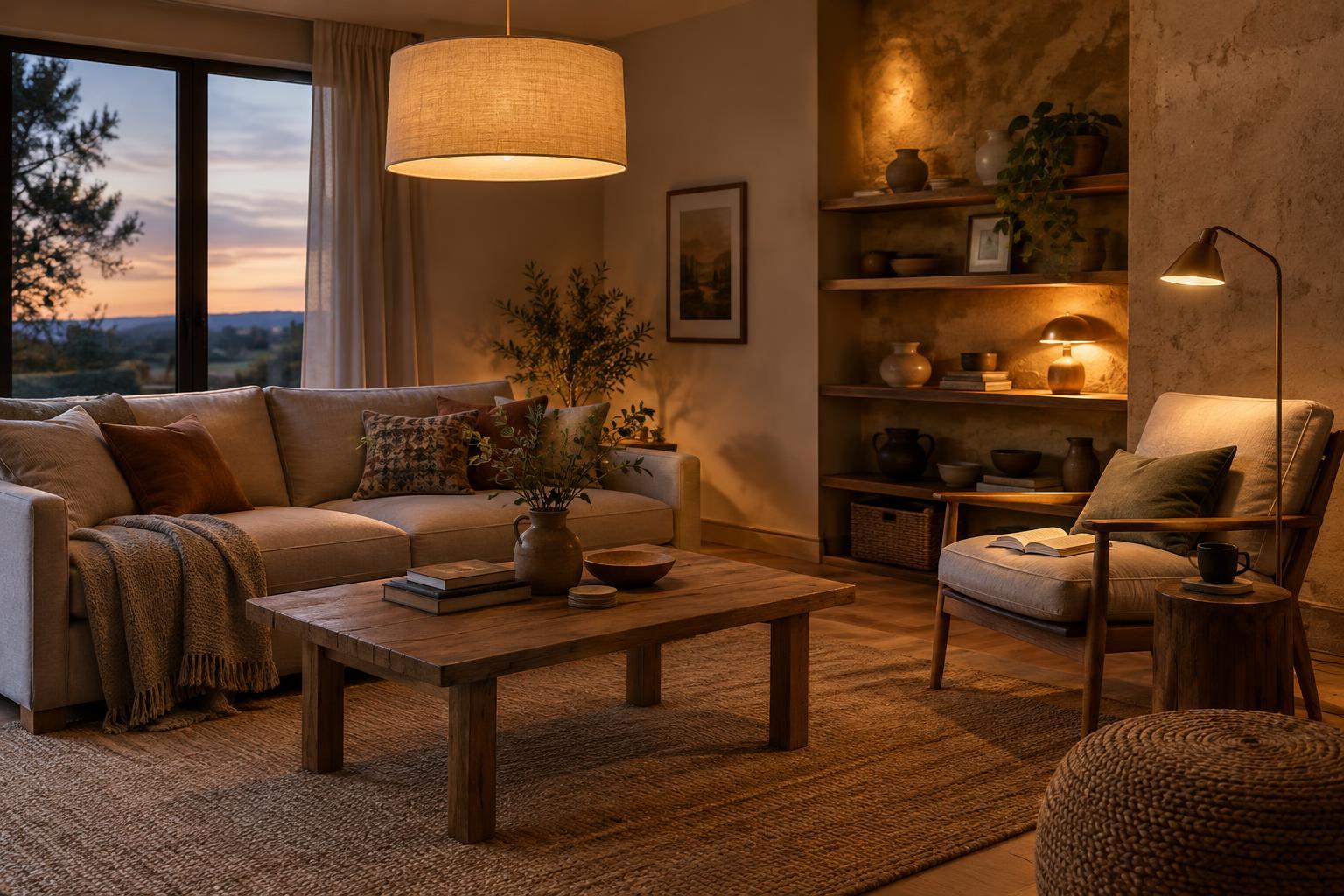
Color, texture and lighting can add emphasis without making the room busy. A deeper wall color can bring attention to a bed or bookcase. Full-length curtains can frame a window, while a warm lamp can draw the eye to a quiet corner in the evening. If you prefer a restrained look, use contrast sparingly: a pale ceramic vessel against dark wood, or a textured textile against a smooth wall, may be enough.
A focal point does not require everything around it to match. Repeated materials or colors can create a gentle connection instead. For example, the wood tone of a dining table might appear again in a picture frame, while a cushion picks up one color from nearby artwork.
Arrange the room to support it
Furniture placement should guide attention toward the focal point without forcing every chair to face it directly. A sofa can sit opposite a window, while an armchair turns slightly toward both the view and the conversation area. In a smaller room, leaving clear paths around furniture often does more for the overall impression than adding another decorative piece.
Look for competing statements. A bright rug, patterned curtains, crowded shelves and a large artwork may each be appealing on their own, but together they can make it hard to tell where to look. Keep the elements you love and vary their intensity. If the artwork is bold, let nearby textiles be calmer. If the window view is the star, avoid piling tall objects directly in front of it.
The rest of the room should still feel considered. A focal point is an anchor, not the only place worth looking. Smaller lamps, useful side tables and a few personal objects can make the surrounding areas welcoming while leaving the main feature room to breathe.
Test the choice before committing
You can try a focal point before buying anything or changing a wall. Move an existing lamp beside a bookcase, lean artwork on a sideboard, or shift a chair to see whether the room feels easier to navigate. Take a photograph from the doorway and another from your usual seat. The images can make competing features and awkward gaps easier to spot.
Live with the arrangement for a few days, paying attention to both daylight and evening light. If your eye still wanders without finding a resting place, the chosen feature may need more presence or the surrounding area may need less. If the room feels comfortable but not dramatic, that can be a success too. A good focal point quietly helps the whole space make sense.