Planning a meal that keeps you in the kitchen
An ambitious menu can sound appealing until several dishes need the oven, chopping board and your attention at the same time. The problem is often timing rather than cooking skill. If every course has a final step just before serving, a relaxed evening becomes a sequence of deadlines.
Build the menu around one dish that needs your attention, then choose sides that can be served at room temperature, reheated or assembled ahead. A simple dessert bought or made in advance is useful. Before committing to a recipe, consider not only its preparation time but also when it must be finished and which equipment it needs. The goal is a meal you can serve without disappearing for long stretches.
Cleaning rooms guests will never use
Hosting can turn a quick tidy into an unnecessary whole-house project. You do not need to reorganize cupboards because friends are coming for dinner. Focus instead on the spaces guests will actually encounter: the entrance, the place where they will sit, the dining area and the bathroom. Clear surfaces for coats, bags, glasses and serving dishes.
A short, targeted reset is usually more helpful than a deep clean that leaves you tired before anyone arrives. Put away visible clutter, wipe the table and bathroom sink, and empty the bin if needed. Once those practical tasks are done, let the rest wait. Warm lighting and a comfortable place to sit contribute more to the experience than a perfectly arranged shelf in another room.
Making every detail a day-of decision
Small unanswered questions accumulate quickly: Which glasses will you use? Is there enough room for the serving bowl? Where should coats go? None is difficult on its own, but answering them while cooking and greeting guests creates avoidable pressure.
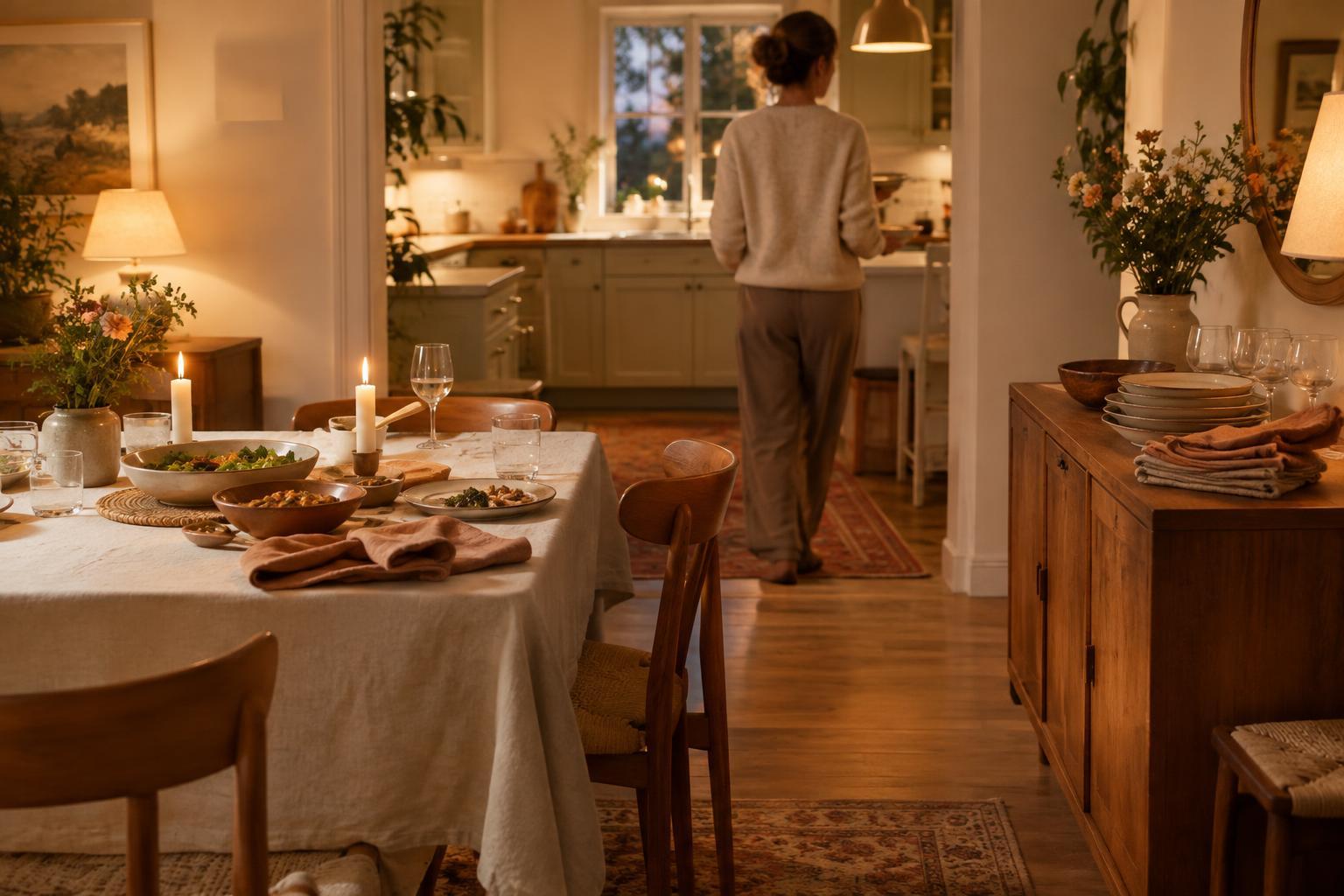
Make a loose plan the day before. Check that you have enough seats, plates and clean glasses; decide where food and drinks will go; and identify anything that needs to come out of storage. You can set the table early or gather the essentials on a tray. This is not about creating a formal occasion. It is about moving easy decisions to a quieter moment so you have fewer things to manage when people arrive.
Expecting guests to guess where things are
A host may know exactly where the water glasses, napkins and spare chairs are, but guests do not. If each person has to ask for a drink or a place to put a used plate, you become the point of contact for every small need. A little visibility makes the gathering easier for everyone.
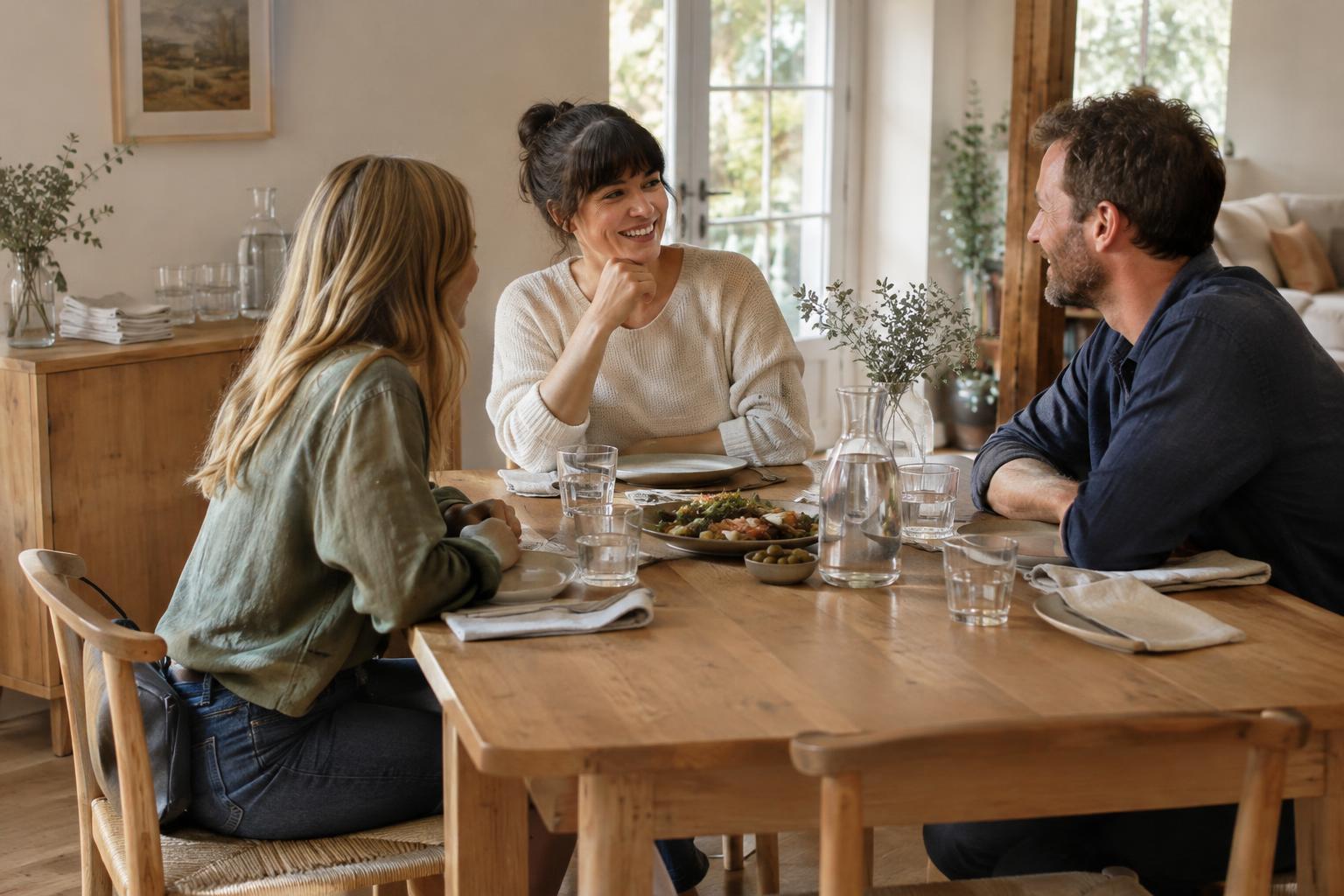
Set water where people can reach it, with glasses nearby. Put napkins in an obvious spot and leave a clear area for finished plates if the meal is informal. If you want guests to help themselves to another drink or a snack, say so plainly. Simple cues let people settle in without making them feel they must navigate the room or interrupt you.
Trying to make the setting perfect instead of comfortable
Last-minute decorating can create surprising amounts of work, especially when it involves moving furniture, buying extras or arranging a complicated table. A welcoming setting rarely depends on new accessories. People need enough space to sit, talk and reach what they are eating; a centerpiece that blocks conversation works against that purpose.
Start with a clear table, comfortable chairs and lighting that suits the time of day. Add a tablecloth or a few reusable napkins if you enjoy them, but keep the arrangement easy to live with. Leave room for serving dishes and water. Hosting feels lighter when you choose details that support the gathering rather than details you will have to maintain throughout it.
Forgetting to leave a little room in the schedule
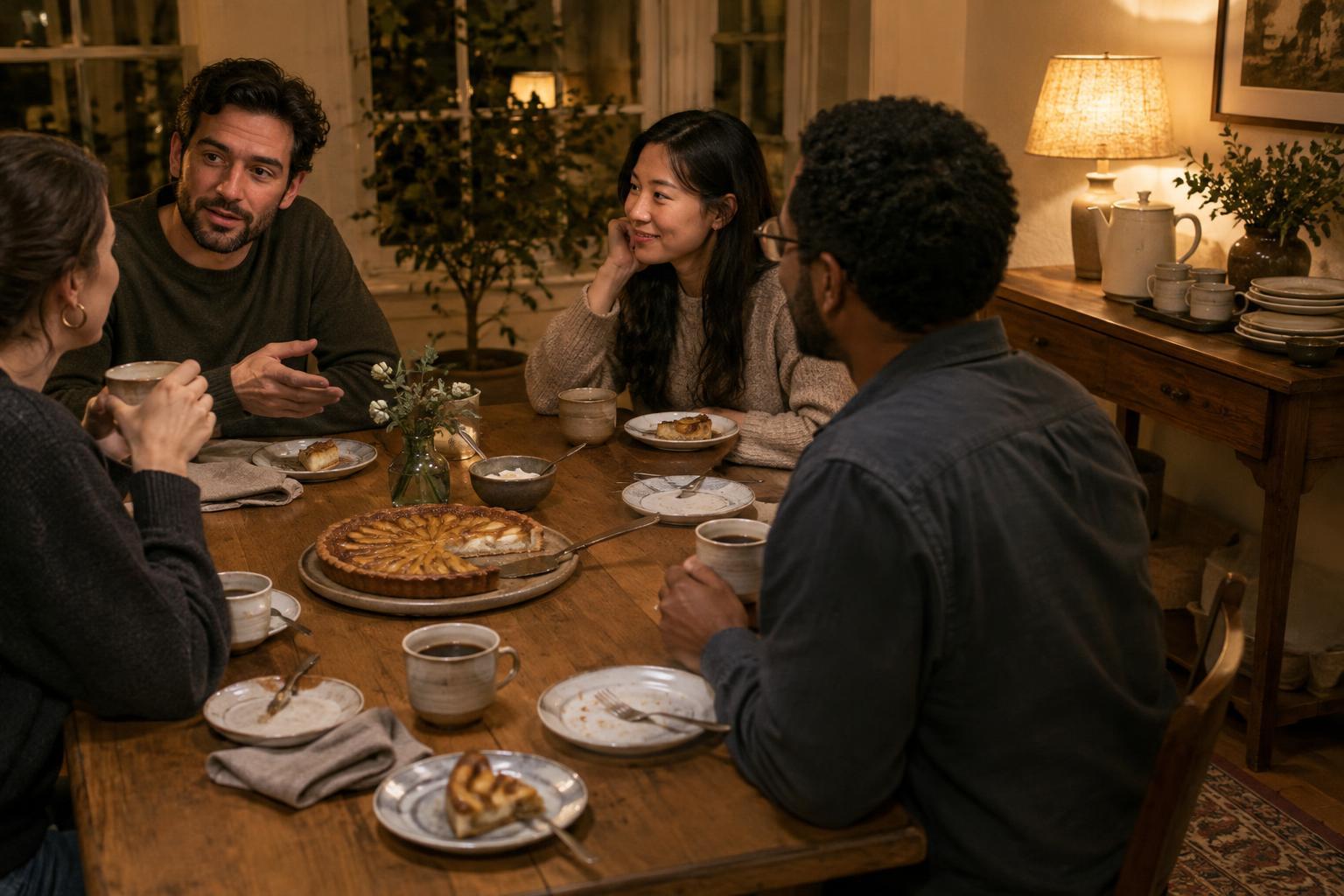
Even a well-planned gathering can run differently than expected. Someone may arrive early, a dish may take longer to warm, or conversation may continue after the table is cleared. A schedule packed to the minute turns ordinary variations into problems.
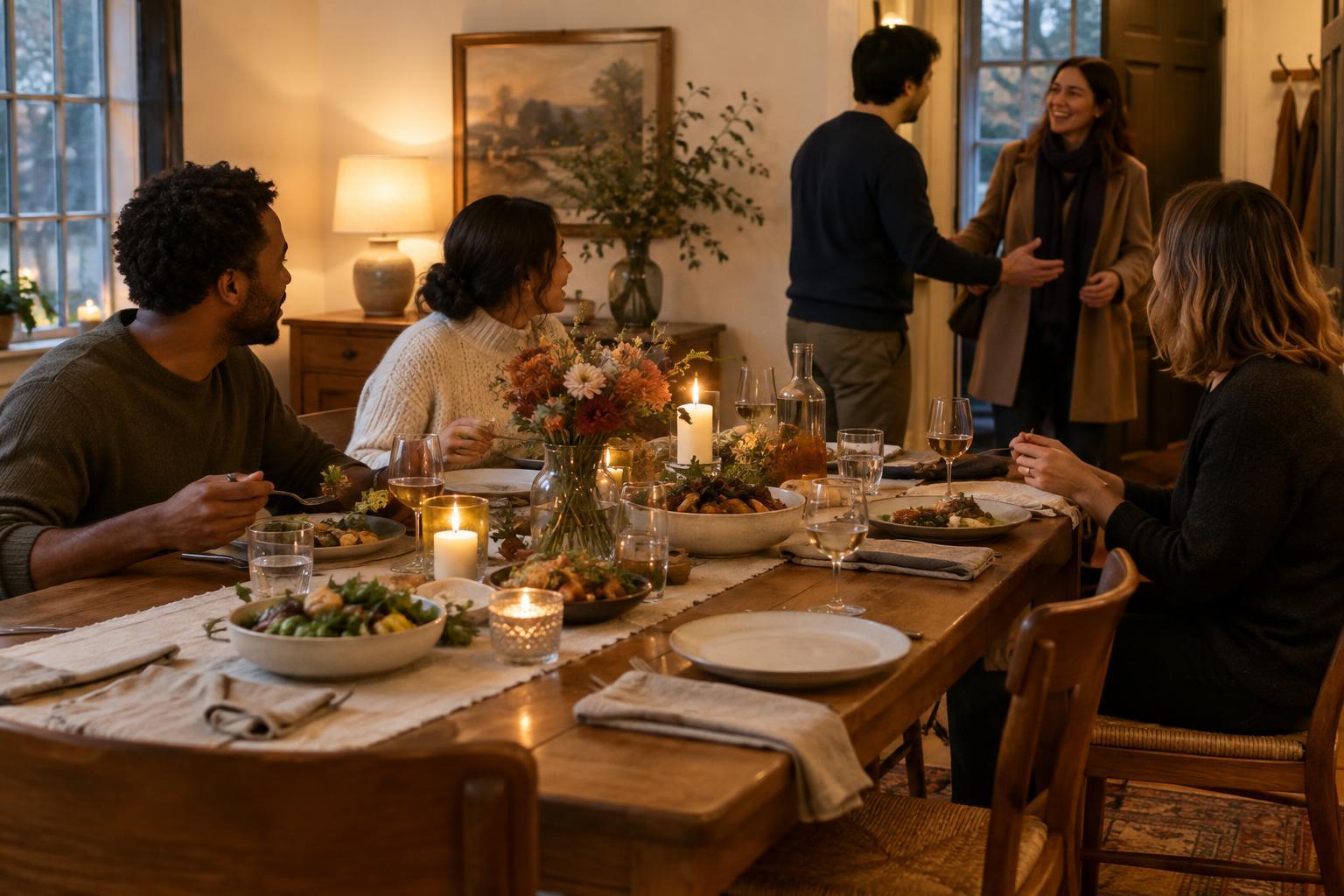
Aim to finish the most demanding preparation before guests are due, and give yourself a simple first step, such as offering a drink while the meal comes together. Keep one low-effort option on hand if appetites or timing change. You do not need to anticipate every possibility. Leaving a little time, space and flexibility is often the simplest way to do less work and be more present.