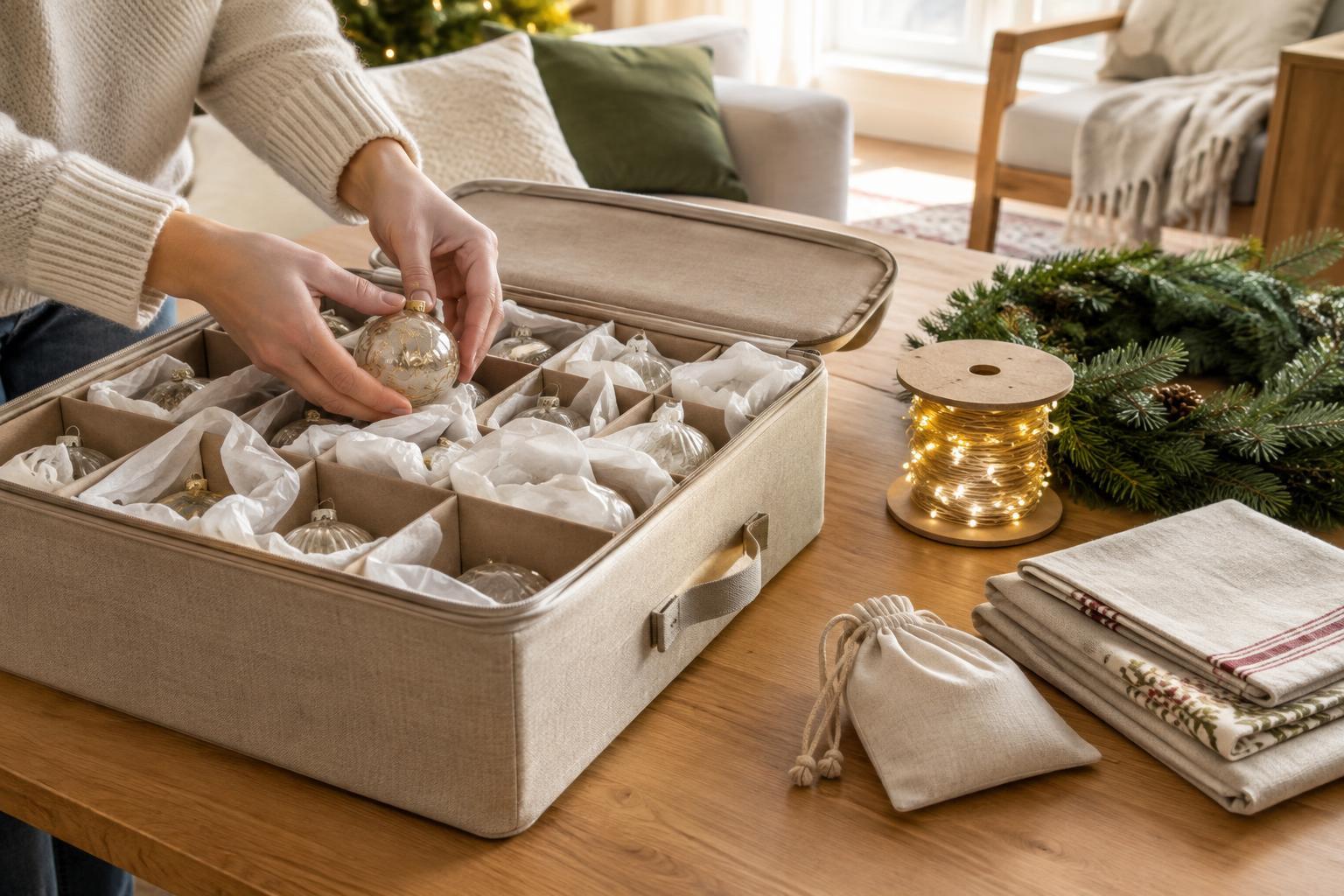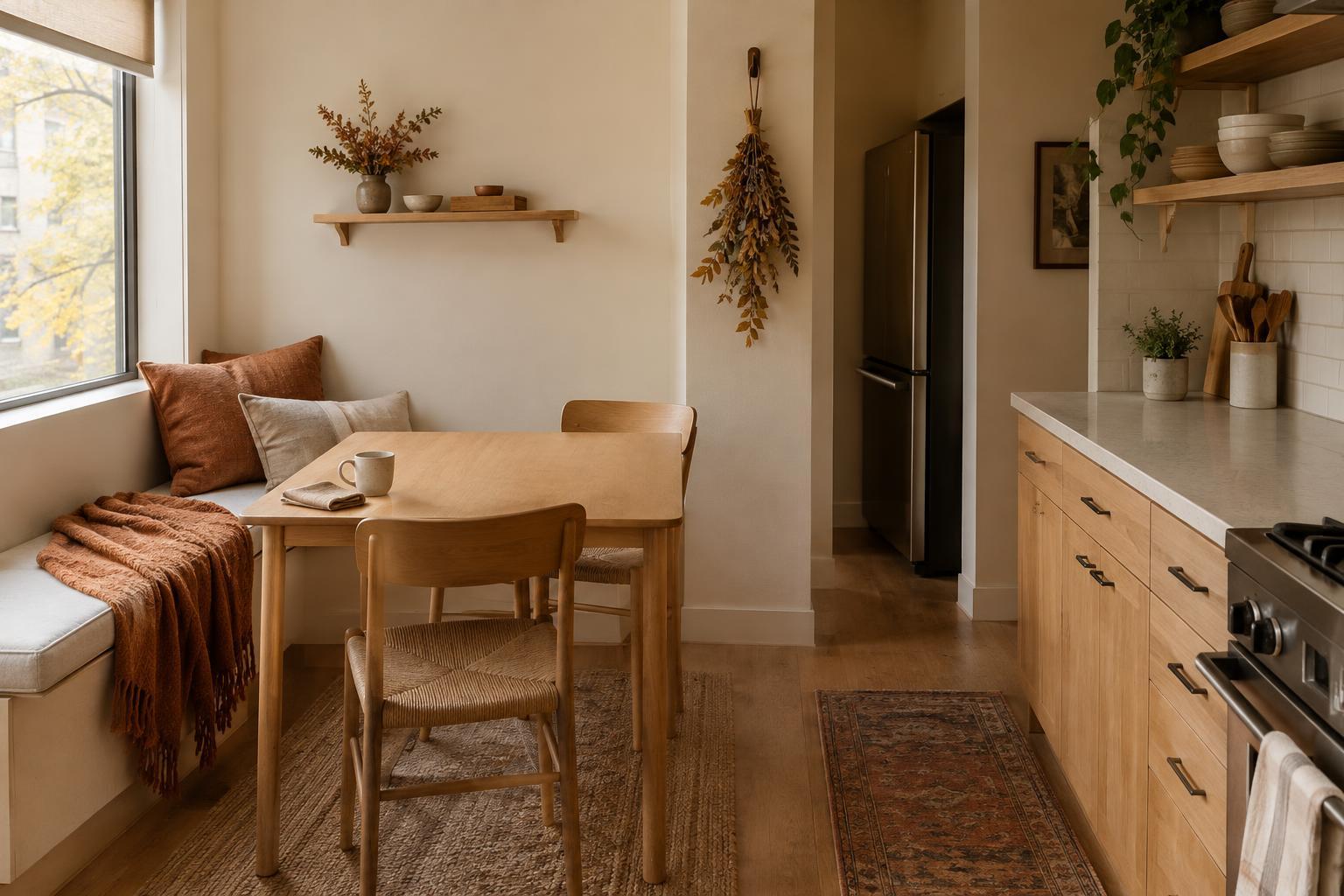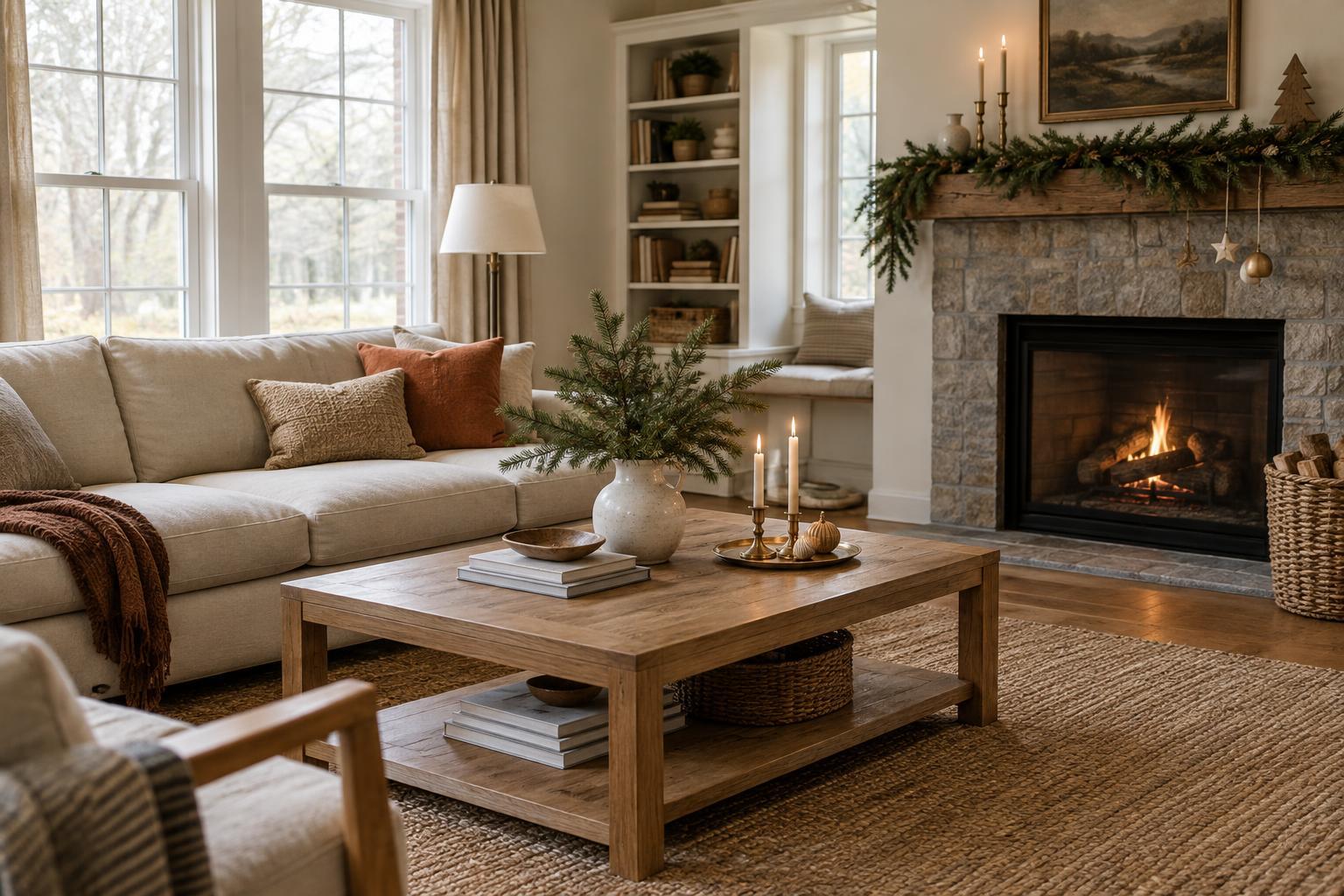
Start with a small set of versatile pieces
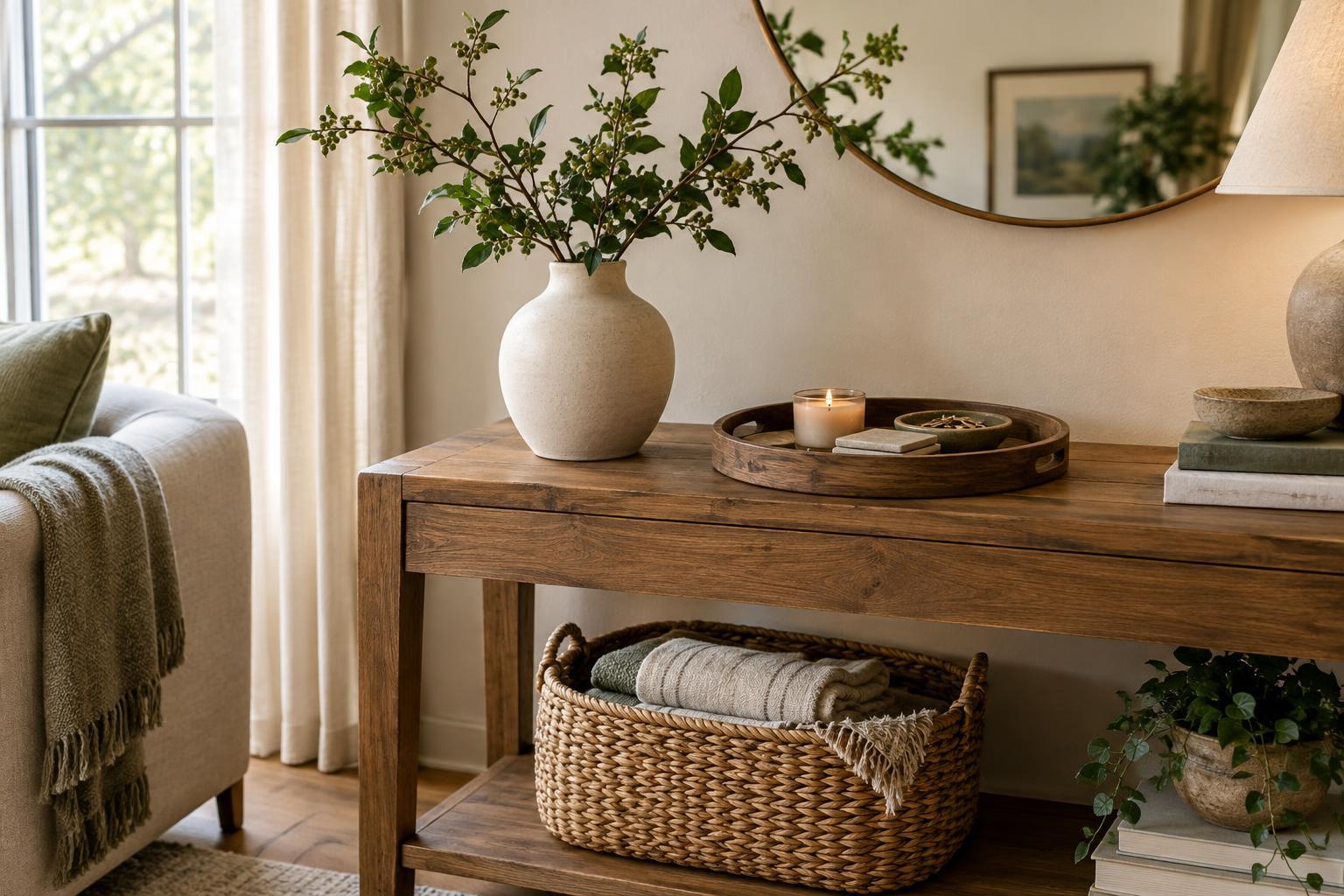
A seasonal display is easier to change when its main pieces stay the same. Choose a vase, tray and basket that suit your room even when they are empty. A simple glass or ceramic vase, a tray with a stable base and a basket with a sturdy weave can work in many settings. Neutral finishes are flexible, but they need not all match: a glazed vase, wooden tray and woven basket offer a useful mix of textures.
Before arranging anything, decide where the display will live and what that spot needs to do. A dining table may need to be cleared for meals, so a single tray can hold the whole arrangement and lift away at once. An entryway basket might need to leave room for keys or mail. Giving everyday use priority helps seasonal touches feel welcoming rather than inconvenient.
Let the vase set the mood
A vase can change character through its contents and its surroundings. In spring, try a few leafy stems or small branches, leaving space around their shapes. In summer, a loose arrangement of garden cuttings can feel relaxed. For autumn, use dried grasses or bare twigs; in winter, a restrained grouping of evergreen cuttings can bring color to a room. These are options, not rules. Even an empty sculptural vase can serve as the focal point.
Vary height instead of filling every vase to the brim. A tall vessel with one branch can balance a low bowl or folded cloth nearby. If you use fresh stems, confirm that the vase holds water without leaking and change the water as needed. Keep wet vessels off delicate wood unless you have a protective base beneath them. Dried materials are useful when you want a display that needs little attention, though they may shed and are best kept away from heat and open flames.
Use trays to give small objects a purpose
A tray turns several modest items into one arrangement. Start with one larger piece, such as a vase, then add a lower object and leave some of the tray visible. The open space matters: it makes each item easier to notice and leaves a place to set down a cup or serving dish when needed. If the grouping looks crowded, remove something before adding another seasonal accent.
Change the feeling of the tray with a textile rather than replacing the tray itself. A lightweight linen napkin can soften a spring or summer arrangement; a deeper-colored runner or small woven mat can add warmth in cooler months. Fold fabric so it does not hang into a walkway or interfere with anything placed on the tray. On a dining surface, keep decorations separate from food unless the items and their finishes are suitable for food contact.
Trays also make it easy to try a display in different rooms. A grouping that feels too tall for conversation across the table may work well on a sideboard. Moving the same pieces can refresh a space without bringing anything new into it.
Give baskets both decorative and practical roles
Baskets bring texture to seasonal decorating, especially where a room has many smooth surfaces. A low basket can hold folded napkins for a gathering, while a deeper one can keep extra throws close to a sofa. For a display, try filling only part of the basket: rolled textiles, a few decorative objects or a smaller container set inside it can create shape without making it look overstuffed.
A basket can also help you change a display quickly. Keep a small set of seasonal accents together so you can swap them onto a tray or shelf when the mood suits. If you want to use plants or fresh cuttings, place them in a separate watertight vessel rather than letting damp materials touch the weave. Check that heavy items sit securely and that any basket on a shelf is not likely to be pulled or knocked down.
Refresh the arrangement without starting over
When the season changes, keep the arrangement’s structure and switch just one or two elements. Replace stems, turn a textile to show a different color or move a basket from display duty to useful storage. You can draw colors from what is already in the room: a cushion, a piece of pottery or a tablecloth may suggest a palette that feels connected rather than themed.
Finally, look at the display from where you normally sit or walk past it. Does it block light, take up needed space or make a surface harder to clean? Small adjustments often do more than extra objects. The most adaptable seasonal displays are the ones you can enjoy, move and put away easily, with vases, trays and baskets ready to be used again in a new combination.