Start with the gathering, not the names
Before writing down everyone you might invite, decide what the occasion should feel like. A seated dinner invites a different kind of conversation from an open-house afternoon. A quiet birthday meal may call for a smaller group than a casual evening of snacks and drinks. There is no ideal number that suits every occasion; the useful number is the one you can welcome comfortably in the format you have chosen.
Picture the event from arrival to departure. Will everyone eat at the same time, or will guests help themselves over several hours? Do you want one shared conversation or several small ones? Think about how much preparation and attention you can give the group, too. If the occasion matters most as a chance to catch up, a short list may serve it better than a full room.
Count comfortable places, not maximum capacity
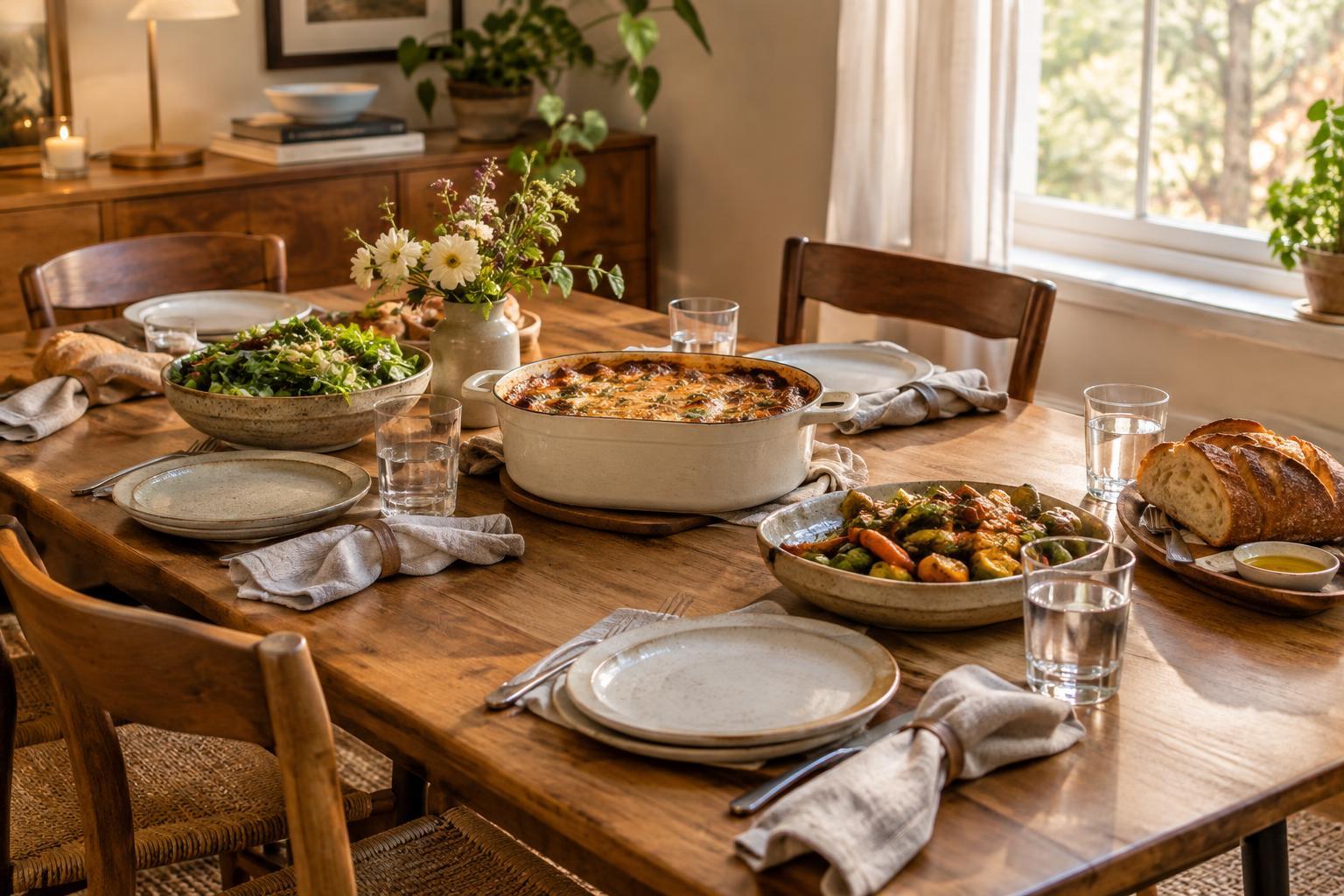
Take a walk through the spaces guests will actually use. For a meal, count places where someone can sit, reach their plate and get up without asking several people to move. For a more flexible gathering, notice whether there are places to set down a glass, stand out of the way of a doorway and talk without crowding the food. Your home does not need to look like a formal event space, but guests should be able to settle in.
Remember that furniture and belongings take up room. Coats need somewhere to go, and a buffet or drinks station may use a surface that normally holds lamps or books. A few well-placed chairs can be more helpful than squeezing every available seat around one table. If the guest count feels too high, consider changing the format rather than forcing the room to accommodate it: serve food people can eat away from the table, host a shorter visit or divide a large group into two smaller gatherings.
Also think about routes through the home. Leave clear access to the entrance, bathroom and refreshments. If you know a guest has a particular access or seating need, ask what would make the visit comfortable rather than guessing.
Build a group that suits the occasion
Once you have a comfortable number in mind, list the people who are central to the occasion. For a celebration, that might mean the person being celebrated and those they most want nearby. For a simple catch-up, it may be the friends you have been hoping to see. Starting with the purpose of the gathering helps you make decisions without treating the list as a ranking of everyone you know.
Then consider how the group might spend time together. Guests do not all need to know each other, but it helps if there are natural points of connection or if you can make introductions. A mix of familiar faces and newcomers can work well when the setting leaves room for smaller conversations. If the event is meant to be intimate, inviting many people who have never met may ask more of you as a host than you want that evening.
Be thoughtful about partners, children and other guests people may expect to bring. You can choose a gathering that includes them or one that does not; the important thing is to make the invitation clear. Avoid assuming that someone can attend alone, arrange care or accept a last-minute addition.
Invite clearly and give people room to respond
An invitation does not need elaborate wording. Tell guests what kind of gathering it is, when to arrive, whether food will be served and who is included. If you are planning a seated meal, ask for a reply by a date that gives you time to plan the table and shopping. For a more casual gathering, a reply can still help you prepare enough food and make the room welcoming.
When space is limited, it is usually easier to invite the group you can host comfortably from the start than to count on several people declining. If a guest asks whether they can bring someone, respond kindly and honestly. A simple explanation that you are keeping this particular gathering small is clearer than an uncertain answer you may later need to change.
Keep a little flexibility in the plan. A cancellation might leave an empty chair, while an accepted invitation may bring a dietary question or seating preference you had not considered. Neither requires a perfect solution. Knowing which details matter most to your guests gives you a better basis for small adjustments.
Let the room support the guest list
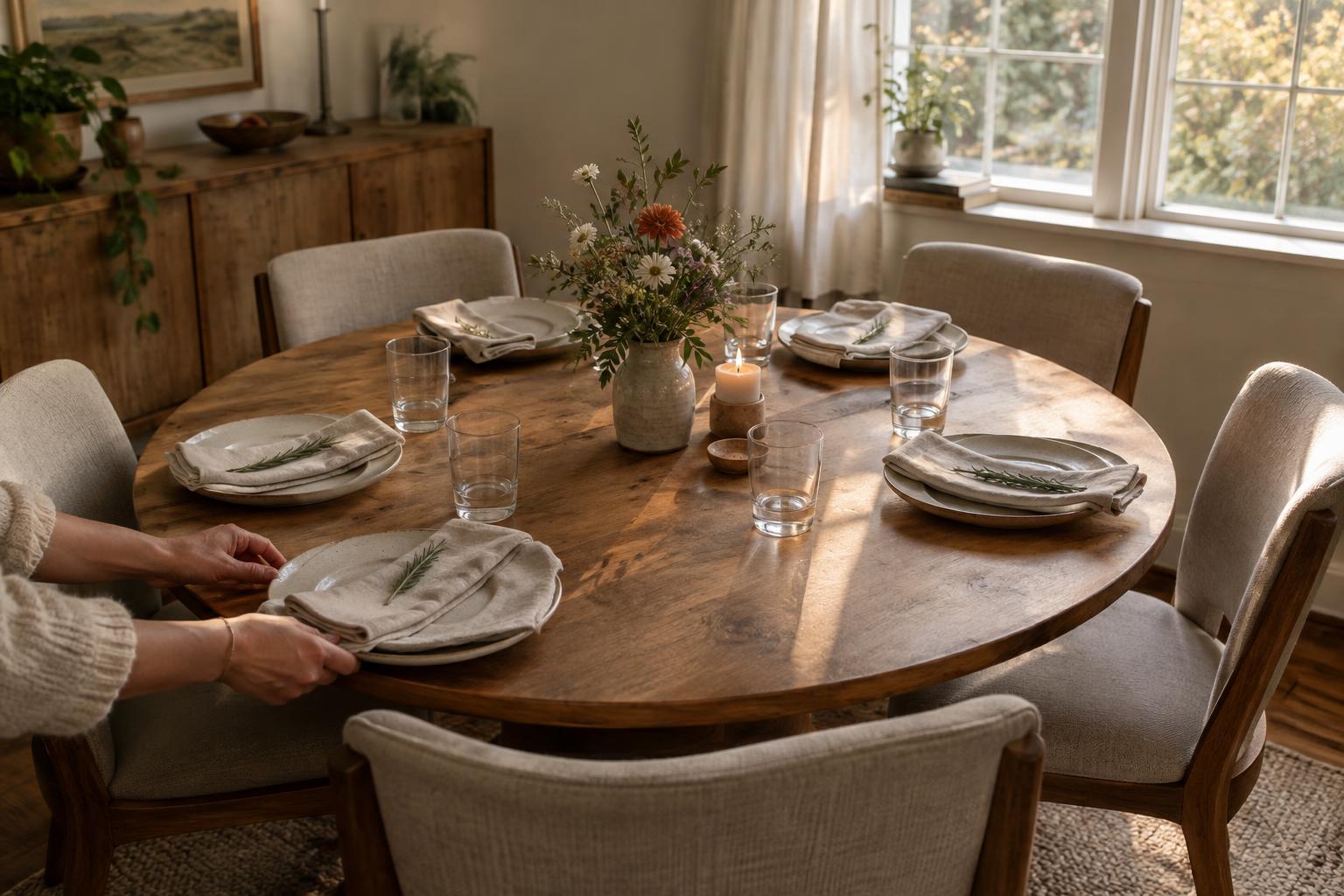
Once replies are in, set up the space for the people who are coming rather than for an imaginary larger party. Put out the seats you need, clear useful surfaces and choose a simple place for coats. If guests will move between rooms, make the route easy to follow. If everyone will sit together, check that the table feels comfortable before adding centerpieces or extra serving dishes.
A guest list that fits is not necessarily a small one. It is a list that matches your room, your energy and the reason for getting together. When people can arrive, find a place and enjoy each other’s company, the gathering has room to feel generous without feeling crowded.