Ask as part of the invitation
The easiest time to ask about food needs is before you plan the menu. Include a brief question with the invitation or send a follow-up message soon afterward. This gives guests time to reply privately and gives you room to adjust without drawing attention to anyone at the table. Keep the tone matter-of-fact: you are gathering the information you need to host well, not asking someone to explain their choices.
A useful message might be: “I’m planning dinner and want to make sure there’s something you can enjoy. Are there any dietary needs or ingredients I should know about?” For a casual afternoon visit, you can adapt the question to what you are serving: “I’ll have snacks and drinks out. Is there anything you avoid?” Ask every guest in the same way rather than singling out someone whose preferences you think you know.
Make it easy to answer without explaining why
Guests may avoid an ingredient for many reasons, and they do not need to share those reasons for you to be considerate. Ask what they need from the meal, not whether they have a diagnosis or how strict their diet is. If a guest says they cannot eat something, take that information at face value. You can clarify what would be useful to prepare without asking for a personal history.
Specific follow-up questions are sometimes necessary. “Would a dish without dairy work for you, or do you need me to avoid dairy in the kitchen altogether?” is more helpful than guessing. Ask such questions privately and only when the answer affects what you can safely offer. Once you have the details, thank the guest and move on. A short, calm response helps keep the conversation comfortable.
Plan around flexible, satisfying food
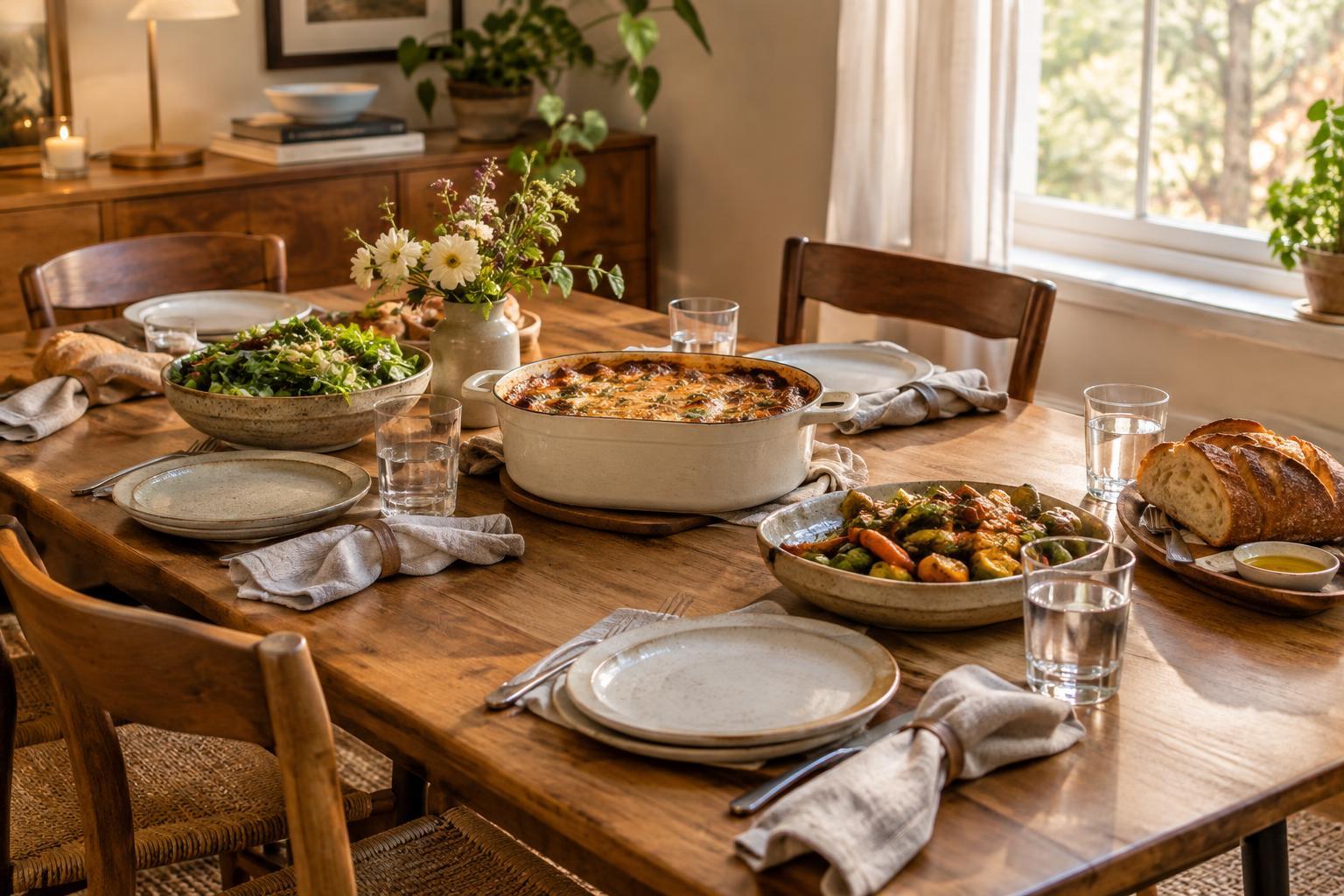
A menu does not need a separate elaborate dish for every guest. Look for a meal with components people can combine: a substantial main dish or base, vegetables, sauces and toppings served separately. A generous salad, roasted vegetables and a filling grain or potato dish can make the table more adaptable. The goal is for each person to have a satisfying plate, not merely one side dish they can eat.
Check the ingredients in items you did not make yourself, including dressings, sauces and garnishes. If you are unsure whether a packaged ingredient works for a guest, ask rather than assume. Serving sauces and toppings on the side can help with preferences, but it may not address an allergy or another need that requires careful handling. In that case, let the guest’s specific guidance shape the plan.
Be honest about what you can accommodate
Kind hosting does not require pretending you can meet a need you do not understand or cannot reliably manage. If a guest tells you they must avoid contact with a particular ingredient, be clear about how food will be prepared and whether you can provide a suitable dish. Do not promise that something is safe simply because you left an ingredient out of the recipe.
You might say: “I can make a dish without that ingredient, but I use it in my kitchen and can’t be certain about contact during preparation. Would you prefer to bring something you know works for you?” Offering a clean serving space or making room on the table for a guest’s dish can be welcoming. Frame it as an option, not as a way to hand the whole problem back to them.
Keep the focus on enjoying the gathering
At the table, let guests choose what to take without narrating who can eat what. If a dish needs identifying, use simple descriptions such as “roasted vegetables with sesame dressing on the side.” For a larger gathering, small labels can help everyone navigate the spread without a public conversation about individual needs. Keep serving utensils with their dishes, especially when guests have asked about ingredients.
The same discretion applies if plans change. If someone brings their own food or skips a course, welcome them and carry on. You can check quietly whether they have what they need, then return your attention to the conversation. Asking early, listening without judgment and being straightforward about the food lets dietary needs become one ordinary part of a comfortable evening.