Start with the spot, not the decoration
Before choosing a wreath, lantern or string of bunting, look at where it will live. A covered porch protects a display differently from an open garden wall. Notice which spots receive long periods of direct sun, where rain collects, and whether wind funnels through a doorway or balcony. A sheltered entry might suit more delicate details; an exposed fence calls for sturdier, simpler pieces.
Decide whether the decoration will stay out for the whole season or appear only when guests visit. An item brought indoors after an occasion does not need to tolerate the same exposure as one left outside for weeks. If its packaging gives no outdoor-use guidance, treat it as an indoor piece unless you can keep it reliably sheltered. Choosing fewer decorations suited to their locations often makes a more welcoming display than trying to weatherproof everything you already own.
Choose materials with weather in mind
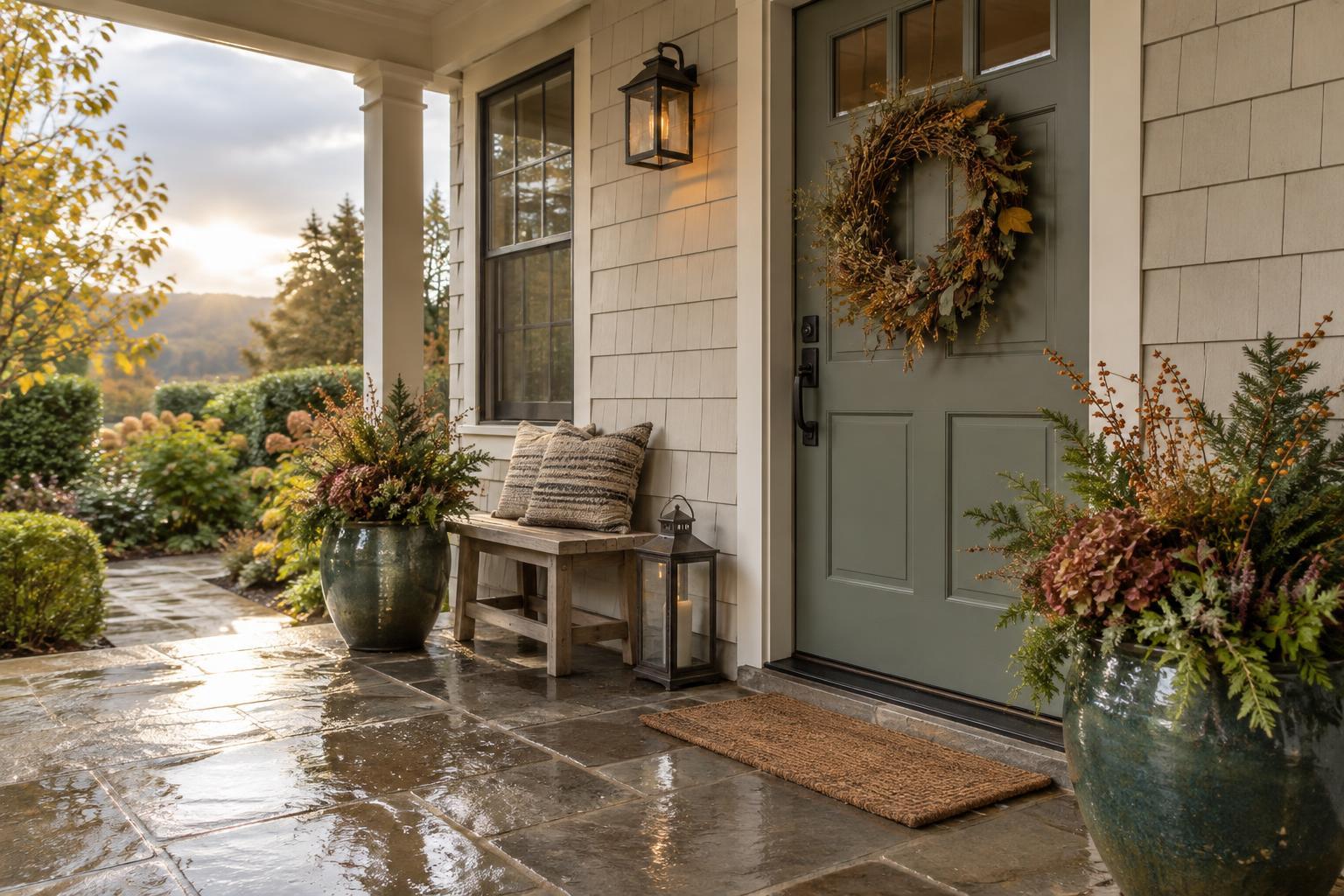
For pieces that will sit in the rain, look for materials that do not readily absorb water. Powder-coated metal, suitable outdoor plastics and glazed ceramic can be practical choices, though their durability still depends on construction and finish. Check seams, joints and drainage: a decorative vessel that traps water may be troublesome even if its outer surface handles rain well. If a container is meant to hold a plant, make sure excess water has somewhere to go.
Natural materials bring warmth but usually need a more protected position. Untreated paper, dried grasses and many indoor fabrics can stain, sag or break down when wet. Wood may weather attractively, yet exposed finishes can peel or discolor; choose wood intended for outdoor use if you want it to remain outside. For cushions, ribbons or flags, look for fabrics described as suitable for outdoor use, and let wet textiles dry fully before putting them away.
Pay attention to the small parts as well as the main material. Fasteners, wire, adhesive and painted details may fail before a solid frame does. A decoration that can be cleaned, repaired or have its ribbon replaced is often a better reusable choice than one made from many permanently attached, fragile elements.
Plan for sunlight and fading
Sun can gradually change the look of outdoor colors and finishes. If a decoration will hang in a bright spot, consider outdoor-suitable finishes and fabrics rather than assuming a vivid indoor piece will keep its color. Deep or highly saturated colors may show fading more noticeably, while a palette of natural tones, off-whites or softly varied colors can make gradual change less conspicuous.
Placement is another useful tool. Hang a wreath beneath an overhang, set a seasonal arrangement back from the edge of a porch, or reserve the sunniest position for materials that are easy to wipe clean and replace in parts. Rotate movable pieces occasionally if one side receives much more light than the other. Before buying multiples, try one item in its intended spot and see how its finish and color fit with the surrounding door, wall or planters.
Make the display secure and easy to care for
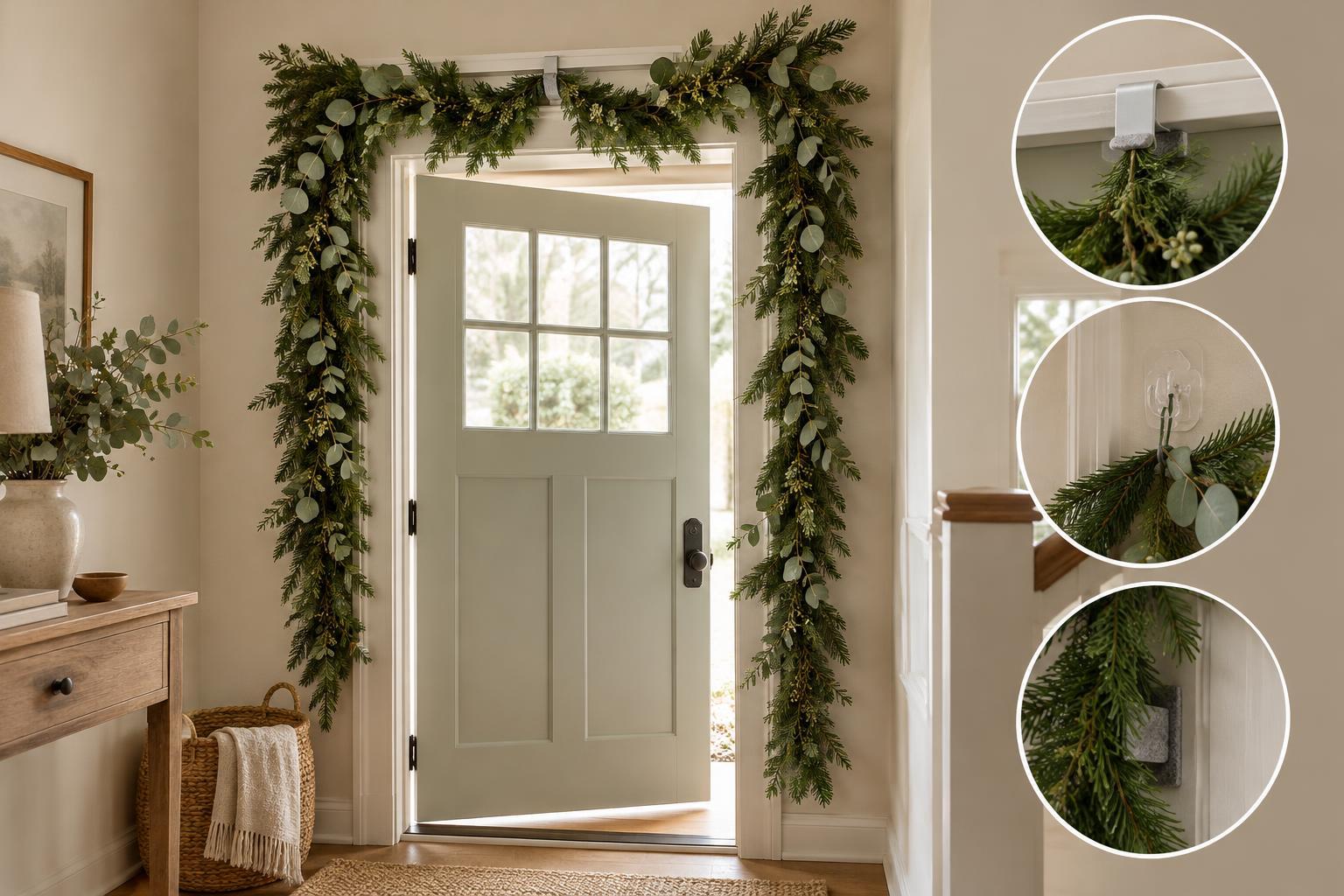
Outdoor decorations need to stay put as well as look good. Favor stable bases for freestanding pieces, and use fixings suited to both the decoration and the surface it hangs from. Avoid relying on a light hook for a heavy wreath, and keep loose fabric away from paths where it could catch or trail. In a windy location, a compact arrangement with fewer dangling parts may be easier to manage than a large, intricate display.
If you use lights, choose products specifically labeled for the outdoor location where they will be installed, including any power connections and extension cords. Follow the maker’s instructions for placement and connection, and do not use damaged wiring. For a simpler setup, unlit lanterns, reflective ornaments and contrasting textures can still create a festive effect in daylight. Check the display after heavy rain or wind, and bring in pieces that are loose, soaked or difficult to clean.
Build a small collection you can reuse
A flexible seasonal display begins with a few dependable foundations: perhaps a durable door hanger, sturdy planters and weather-suitable lanterns. Change the mood with removable accents instead of replacing the entire arrangement. A new ribbon, a different planting or a shift in color can signal a season while keeping the larger pieces in use. Repeating one or two materials also helps an entry feel considered rather than crowded.
At the end of the season, brush away dirt, clean items according to their materials and allow everything to dry before storing it. Remove batteries where appropriate, coil lights loosely and keep fragile pieces from pressing against one another. Note which spots caused fading, rust or water damage, then adjust next season’s placement. The best outdoor decorations are not necessarily the toughest-looking ones; they are the ones whose materials, location and upkeep work together.