Start with the kind of gathering
Before counting portions, decide what guests will expect when they arrive. An afternoon visit with tea and snacks calls for less food than an invitation that begins at dinnertime. If you intend to serve only drinks and small bites, say so when you invite people. Clear expectations do more to prevent an empty platter than an ambitious shopping list.
Think about how long people are likely to stay and whether food is the main event. Guests who are standing and chatting may take a few bites at a time; guests seated for a meal will expect a complete plate. A gathering that stretches across a usual mealtime deserves either a substantial spread or a simple main dish, even if the mood is informal.
Use portions as a starting point, not a promise
For a casual sit-down or buffet meal, plan roughly one serving of the main dish per guest, with a couple of extra servings if your recipe allows. Add enough sides for each person to have a modest helping of two dishes, plus a little bread if it suits the menu. For dessert, one portion per person and a few extras usually feels generous without requiring a second full menu.
If small bites are the entire meal, aim for a varied assortment that adds up to roughly six to eight bite-size pieces per person over the first couple of hours. If appetizers come before a main dish, two to four pieces per person may be plenty. These are planning ranges, not rules: hearty sandwiches count for more than olives, and a long evening may call for replenishment. Make at least one offering filling, such as a dip with bread, a savory tart or a platter of small sandwiches.
For example, for ten guests coming to dinner, you might prepare about twelve servings of a main dish, two sides that each offer roughly ten modest helpings, and twelve dessert portions. You do not need twelve servings of every component on the table. The goal is to let people make a satisfying plate, not to ensure everyone takes everything.
Build flexibility into the menu
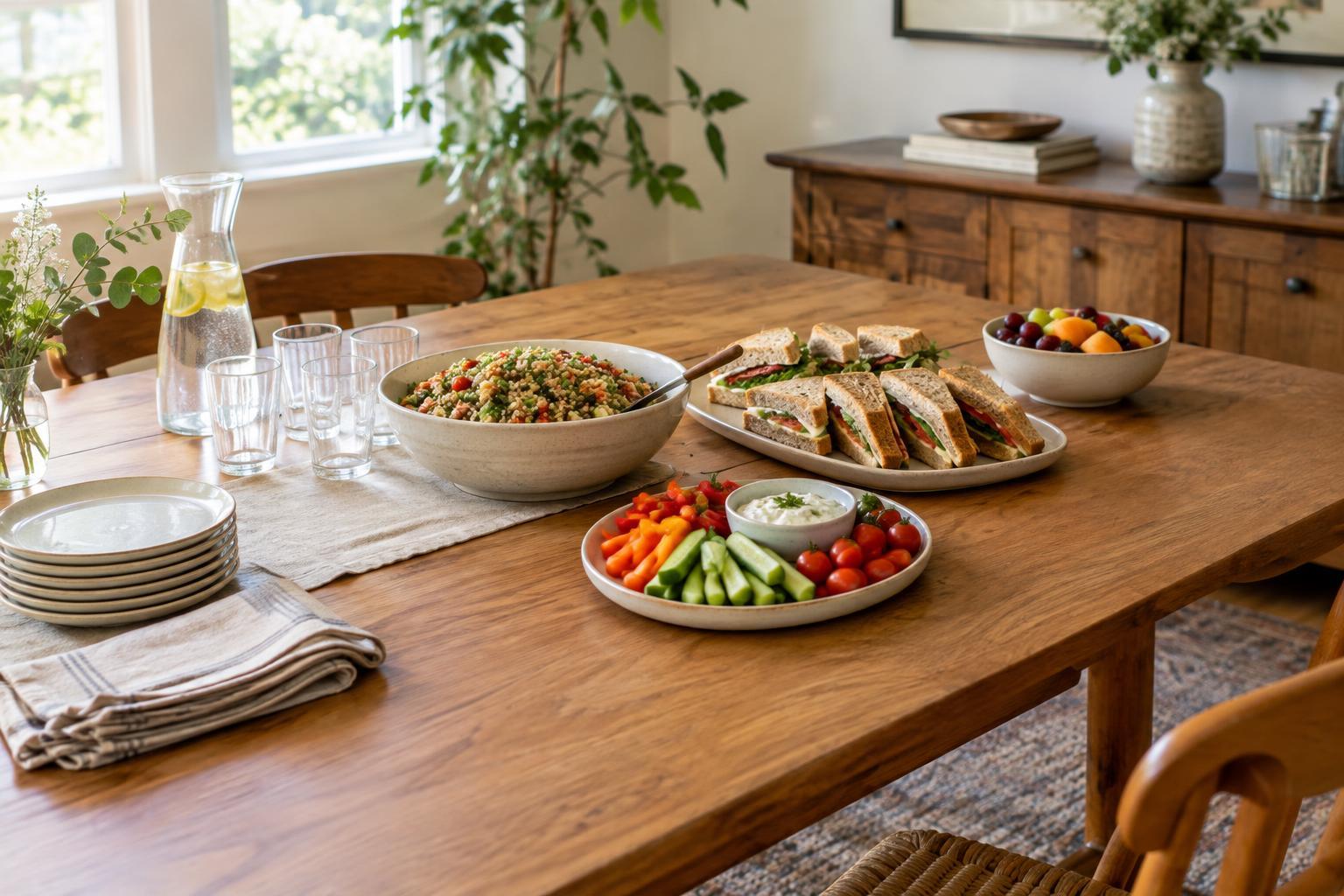
A useful hosting menu combines a dependable anchor with a few easy-to-adjust foods. Make the main dish in a quantity you can serve confidently, then keep bread, a grain salad, cut vegetables or fruit available to round out plates. These additions can stretch a spread if appetites are bigger than expected, and many are easy to put away if they are untouched.
Ask about dietary needs when you invite guests, and make sure anyone with a restriction has more than a garnish to eat. A clearly separate vegetarian main or substantial side can be simpler than trying to adapt every recipe. If an allergy is involved, check ingredients and preparation carefully rather than assuming a dish is suitable. Labels beside serving dishes also help guests navigate a buffet without interrupting conversation.
Choose recipes you can portion sensibly. A pot of soup, a tray of roasted vegetables or a large salad is easier to scale than an elaborate dish that must be assembled individually at the last minute. You can also hold back a small amount of food in the kitchen and refill platters as needed. Smaller, refreshed dishes look inviting and help keep the table manageable.
Remember drinks, pacing and serving space
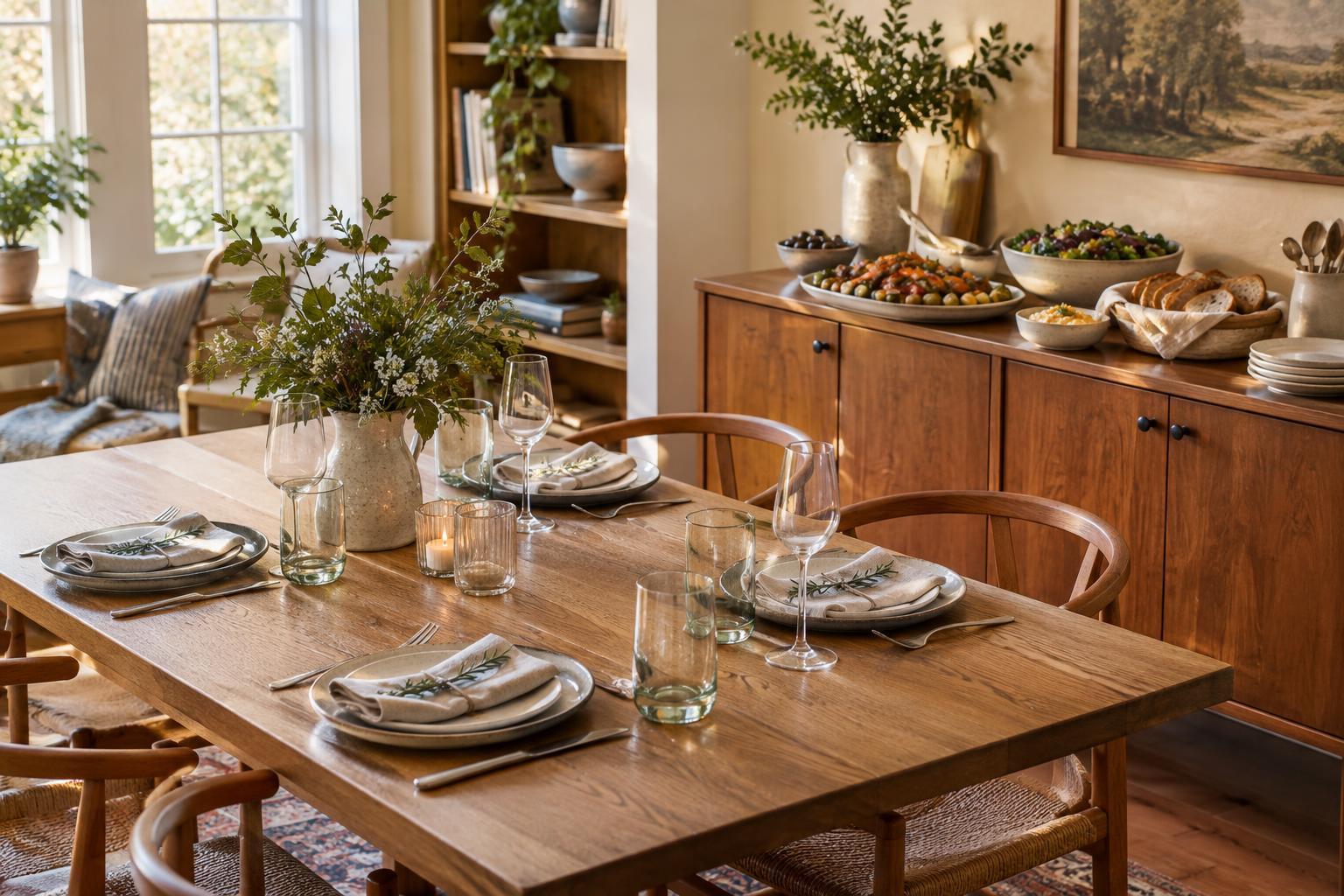
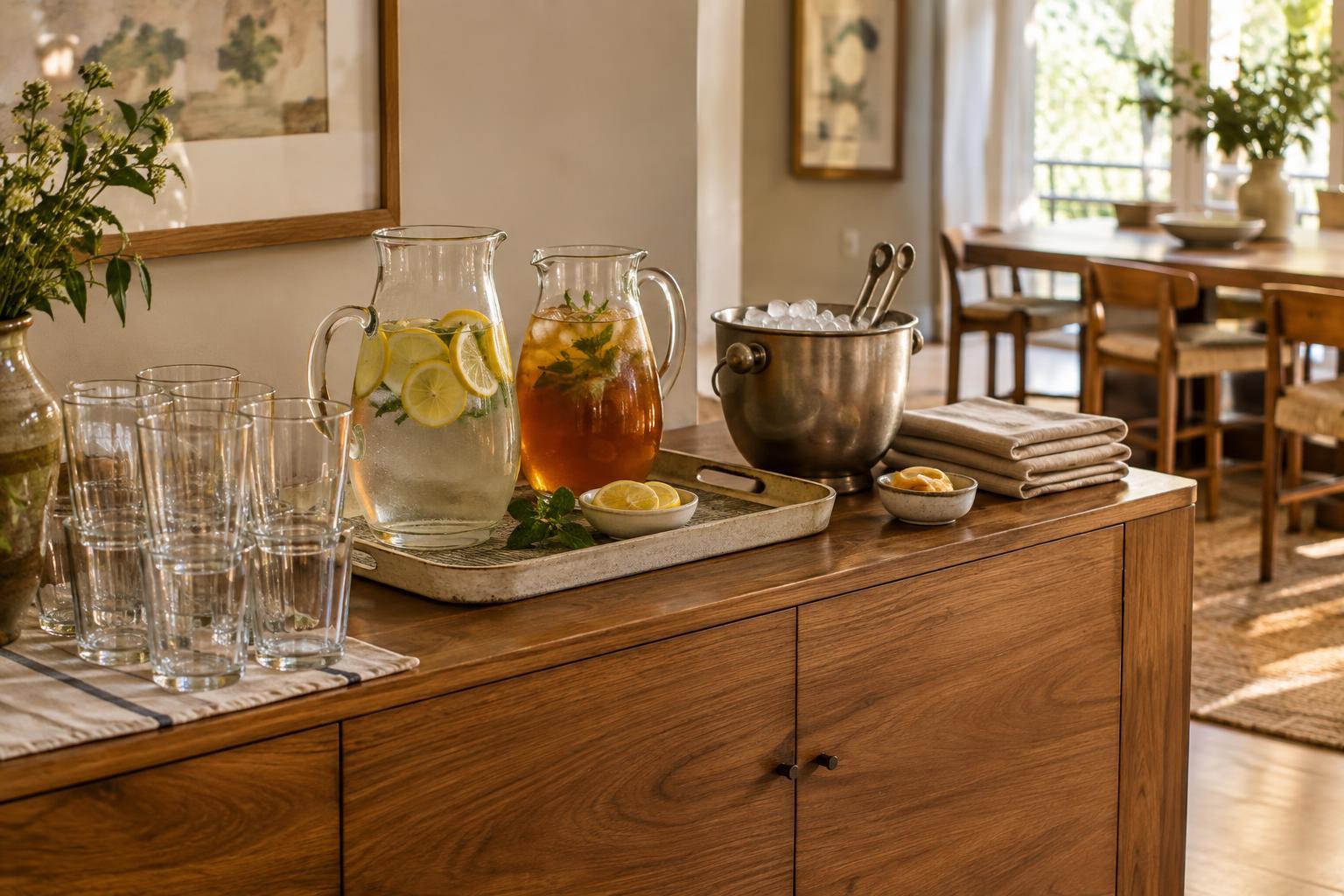
Food planning is only part of making guests comfortable. Put water where people can help themselves, and offer at least one appealing nonalcoholic drink if you are serving beverages. Check that you have enough glasses, plates and utensils for the way you plan to serve. A buffet with several saucy dishes, for instance, needs plates that can hold them without crowding.
Avoid putting everything out at once if people will be grazing for several hours. Begin with snacks that are easy to eat while mingling, bring out the more substantial food when guests are ready for it, and save dessert for later. Follow appropriate food-safety practices for items that need chilling or heating, and return perishables to suitable storage rather than leaving them out throughout a long visit.
Plan for leftovers without planning for excess
A small buffer is reassuring; doubling the menu rarely is. If the guest count is uncertain, choose one dish that freezes or stores well and increase that rather than making extra of everything. Keep containers ready so you can put food away promptly and offer guests a portion to take home if they would like one.
After the gathering, make a quick note of what disappeared and what remained. Over time, your own guests, recipes and serving style will give you a better guide than any universal formula. Enough food is food served with ease: a satisfying choice on the table, room for different appetites and a host who can enjoy the gathering too.