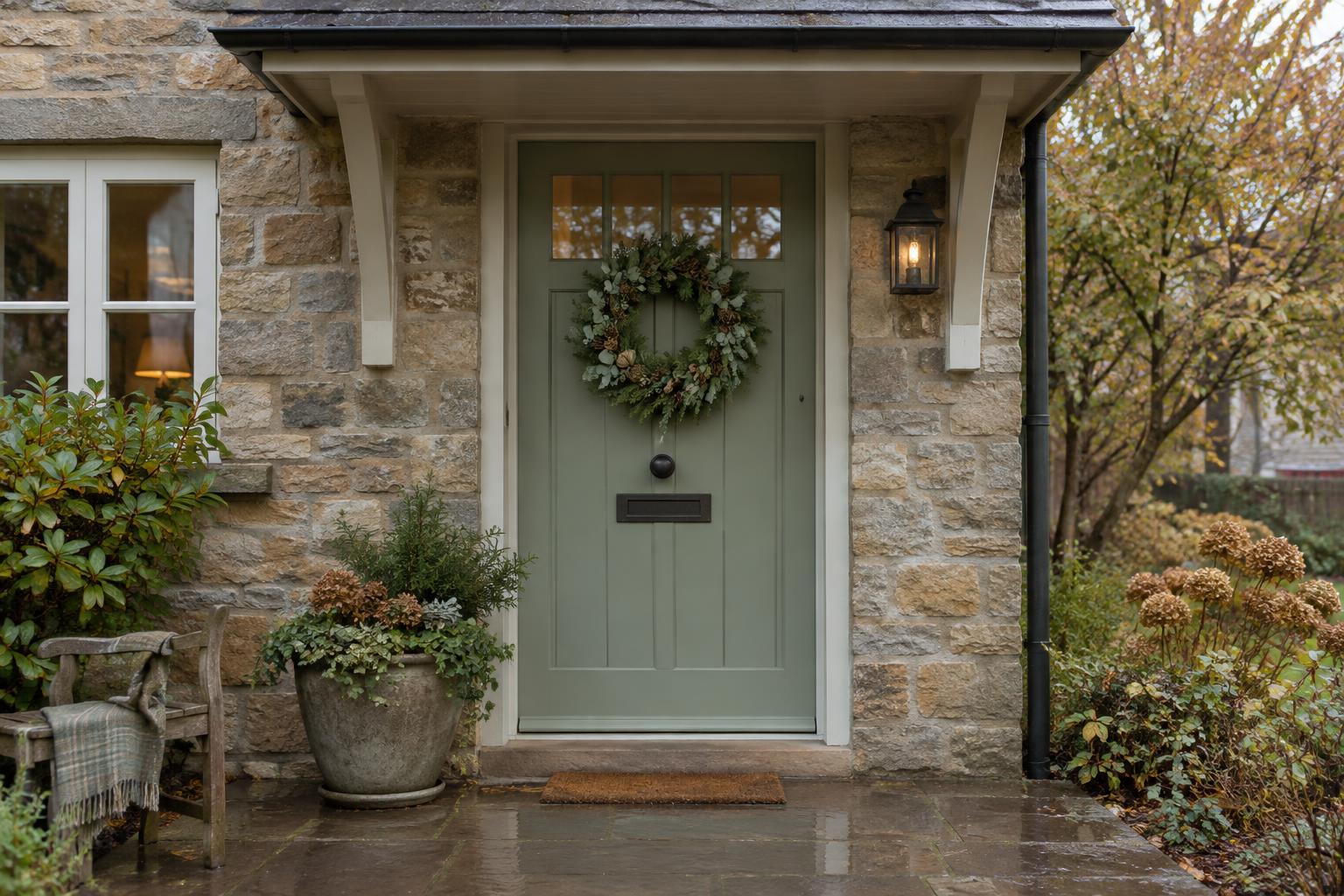
Start with a palette and a place
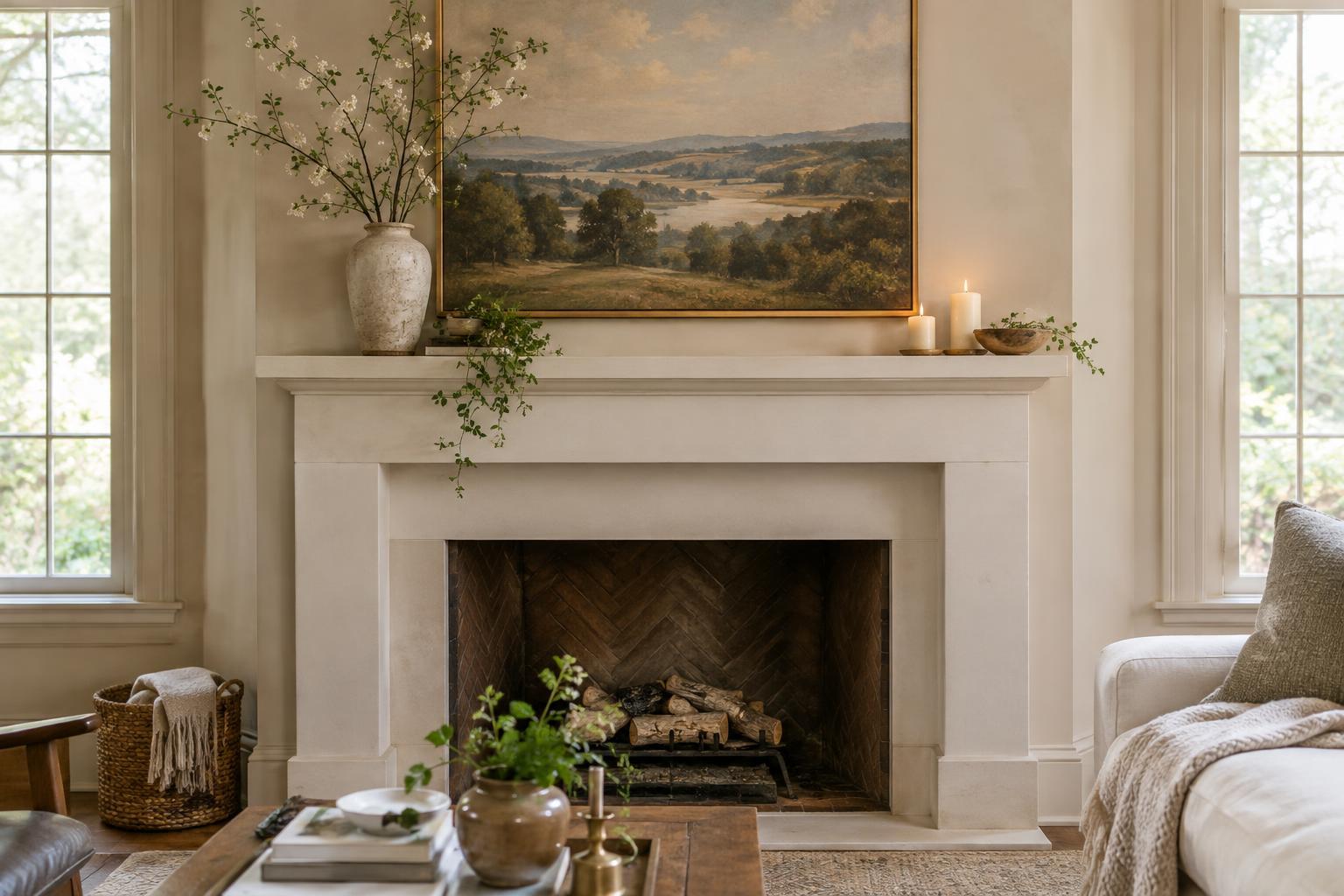
Natural autumn decorations work best when they have a clear place to belong. Before gathering anything, choose two or three spots you see often: a dining table, an entryway shelf or a mantel. Decorating a few surfaces deliberately gives leaves and stems room to stand out while leaving everyday space free for meals, keys and books.
Let your existing room colors guide the materials. Golden leaves and pale gourds can soften a dark wood table; russet leaves and deep green stems may suit a light, neutral room. You do not need every autumn color at once. Repeating one or two tones across several small arrangements will make them feel connected. Gather reusable basics first, such as a tray, a low bowl and a sturdy vase, so the natural pieces can change without requiring new accessories.
Prepare leaves for indoor use
Choose leaves that are dry and reasonably clean, with no visible mold or insects. A few well-shaped leaves often make a stronger display than a crowded pile. To flatten them, place leaves between sheets of plain paper under a stack of books and check them as they dry. If you prefer their curled shape, leave them loose in a shallow bowl or arrange them along a tray where they will not be handled often.
Leaves can become brittle and may stain or scatter as they age. Put them on a washable tray or runner rather than directly on a delicate tabletop. For a simple place setting, set one dry leaf beside each folded napkin instead of placing it where food will touch it. Replace leaves when they look tired, and keep them away from candles, heaters and other sources of heat.
Give gourds space to breathe
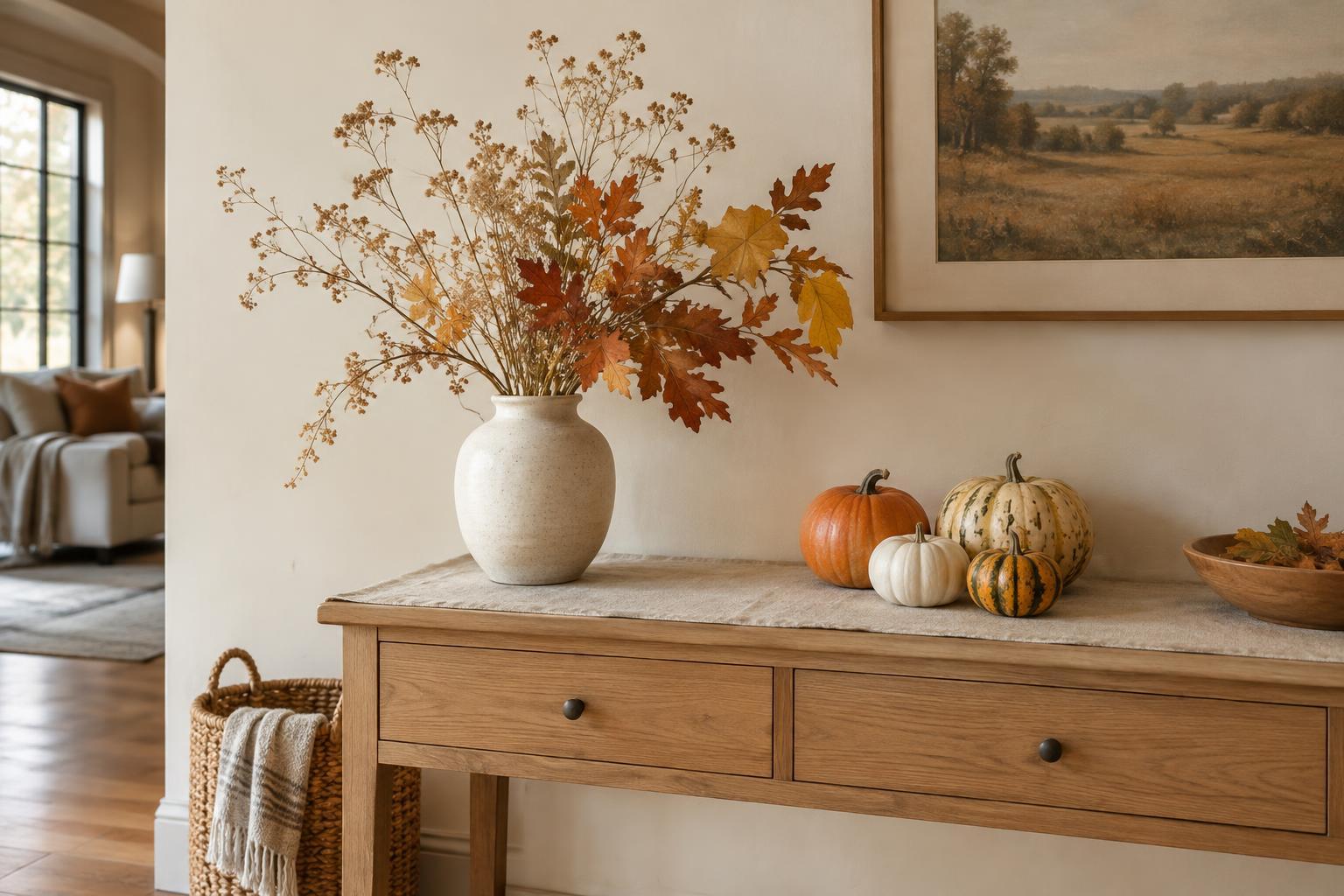
Gourds and small pumpkins add shape and weight to a display. Try grouping an odd assortment of sizes on a tray, leaving visible space between them. A low arrangement is useful on a dining table because guests can see over it; a taller gourd can work alone on a shelf. Mix smooth and ridged surfaces for interest, but limit the group to colors that suit the room.
Wipe gourds clean and let them dry before bringing them inside. Place them on a plate, tray or other protective surface, particularly on wood or fabric, and check them regularly for soft spots or moisture. Natural gourds will not last indefinitely indoors. Remove any that begin to deteriorate rather than trying to preserve an arrangement unchanged for the whole season. When the fresh pieces are gone, the bowl or tray can return to everyday use.
Use dried stems to add height and texture
Dried stems bring a different line to a room than the rounded forms of gourds. Branches, seed heads or dried grasses can look striking in a vase with a narrow opening that holds them upright. Start with a few stems at different heights, turn the vase as you work and stop before the arrangement becomes dense. A single tall vase can balance a low group of gourds elsewhere in the room.
Choose stems that feel dry, not damp, and gently shake them outdoors before arranging to remove loose debris. Delicate grasses may shed, so place them where they will not be brushed every time someone walks past. Keep dried materials away from open flames and hot bulbs. If children or pets may reach the display, choose a stable vessel and avoid sharp, fragile or unfamiliar plant material within their reach.
Build a display that is easy to live with
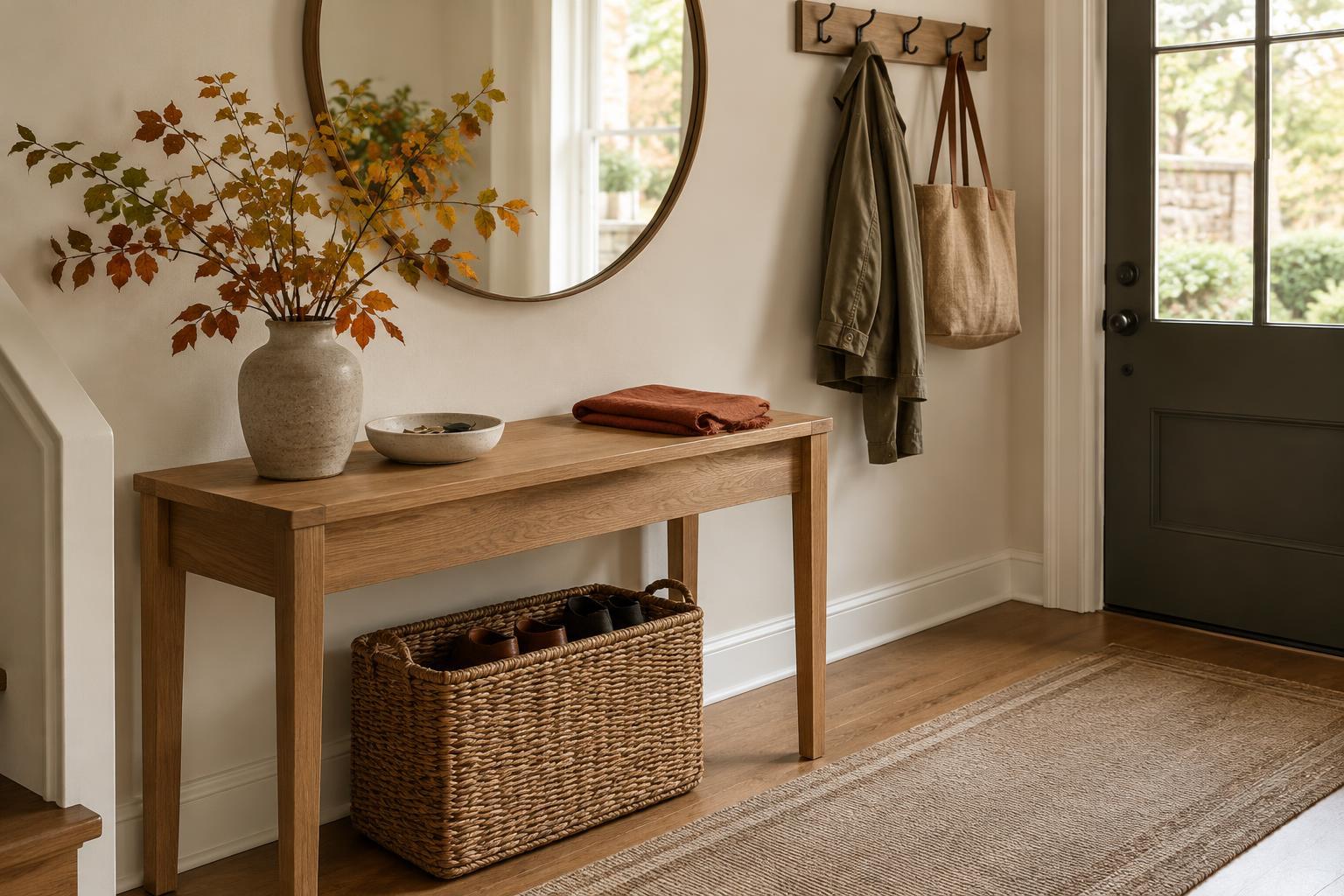
A practical arrangement leaves room for daily routines. On a coffee table, contain leaves and gourds on one tray that can be lifted away. On a dining table, use a low bowl and move it aside when you serve food. For an entryway, pair a small vase of stems with a dish that still has space for keys. These arrangements feel seasonal without asking the household to work around them.
Check natural decorations while you dust or reset the table. Discard pieces that shed excessively, develop an odor or show signs of decay, and clean the surfaces beneath them. At the end of the season, store sound dried stems and reusable vessels separately in a dry place; compost or dispose of the remaining natural materials as appropriate locally. Keeping the containers and changing only their contents makes next autumn's decorating simple to begin.