
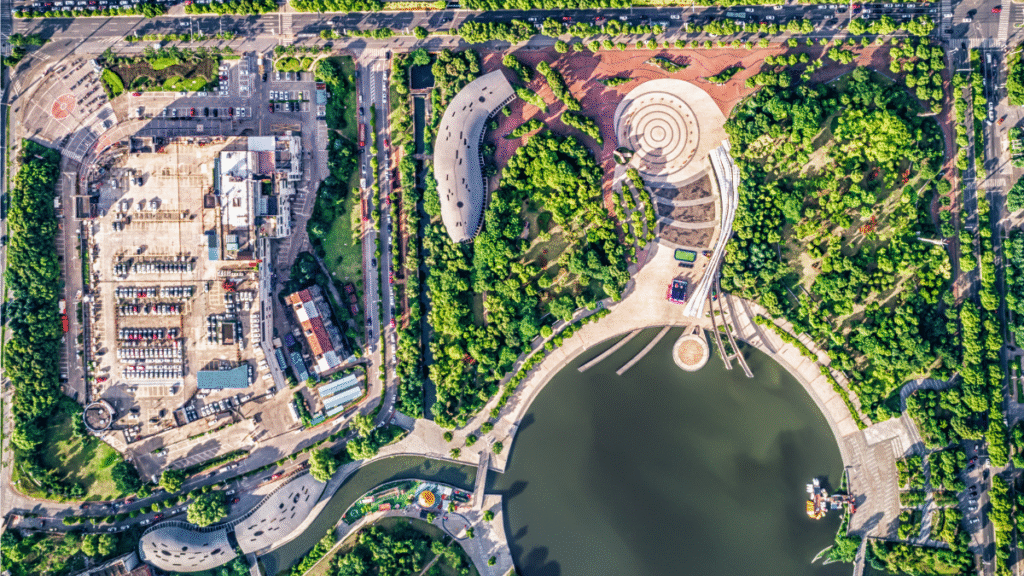
Cities are the heartbeat of modern civilization, bustling with energy and innovation. But as urban populations soar, our traditional city landscapes face unprecedented challenges. Enter Axurbain—a visionary approach that is redefining how we think about urban living. With a mission to foster sustainable development and enhance the quality of life for all residents, Axurbain seeks to transform cities into vibrant, interconnected spaces. This movement goes beyond mere aesthetics; it’s about creating environments where nature and technology coexist harmoniously.
As we delve deeper into the evolution of city planning and architecture, we’ll explore how Axurbain is reshaping tomorrow’s urban environments. Join us on this journey to uncover the benefits of embracing these principles while examining real-world examples that showcase their impact. The future of our cities depends on innovative ideas like Axurbain—let’s discover what lies ahead!
The Evolution of City Planning and Architecture
City planning and architecture have undergone remarkable transformations throughout history. From the ancient grids of Mesopotamia to today’s sprawling metropolises, each era reflects cultural values and technological advancements.
In the early days, cities were built around essential resources like water. Strategic layouts prioritized defense and accessibility. As populations grew, urban designs shifted toward more complex structures that accommodated commerce and community life.
The Industrial Revolution marked a pivotal moment in city development. Factories emerged alongside residential areas, leading to overcrowding and pollution. This sparked movements advocating for greener spaces and improved living conditions.
Modernism introduced sleek lines and functionality into architectural design. Cities began embracing open spaces with parks amidst high-rises, promoting both aesthetics and well-being.
Today, we see an even deeper shift towards sustainability as urban planners integrate eco-friendly practices into their frameworks—setting the stage for innovative concepts like Axurbain in shaping future landscapes.
The Benefits of Implementing Axurbain’s Principles
Implementing Axurbain’s principles can radically enhance urban living. One of the most significant benefits is sustainability. By prioritizing green spaces and energy-efficient designs, cities can reduce their carbon footprint.
Another advantage is improved community engagement. Axurbain fosters social interaction through well-designed public areas that encourage gatherings and activities. This strengthens neighborhood bonds and enhances the quality of life.
Transportation also sees a major boost under Axurbain’s approach. With integrated transit systems, commuting becomes more efficient, reducing congestion and pollution levels.
Moreover, economic opportunities flourish in vibrant urban environments designed with Axurbain principles. Smart planning attracts businesses while promoting local enterprises, driving job creation.
Health outcomes improve as cities become more walkable and bike-friendly. Access to parks promotes physical activity, leading to healthier lifestyles for residents across all demographics.
Real Life Examples: Cities that have Adopted Axurbain’s Approach
Barcelona is a shining example of Axurbain in action. The city has embraced green spaces within urban settings, transforming underutilized areas into vibrant parks and community gardens. This approach fosters biodiversity while enhancing residents’ quality of life.
Copenhagen stands out for its commitment to sustainable transport. With extensive cycling infrastructure, the city encourages eco-friendly commuting options that reduce congestion and pollution. It exemplifies how integrating mobility solutions can reshape urban dynamics.
In Singapore, vertical greenery takes center stage. The integration of plants on building facades not only beautifies the skyline but also improves air quality and energy efficiency. This innovative use of space highlights how cities can adapt to rising populations while prioritizing sustainability.
These cities demonstrate the versatility and effectiveness of Axurbain’s principles across different environments and cultures, inspiring others to rethink their own urban landscapes.
Challenges and Potential Solutions for Implementing Axurbain in Existing Cities
Implementing Axurbain in existing cities presents various challenges. One major hurdle is the resistance to change from stakeholders who are accustomed to traditional urban planning methods. Convincing city officials and residents of the benefits can be difficult.
Infrastructure limitations also pose a significant challenge. Many cities need upgrades to accommodate innovative designs and sustainable technologies. This often requires substantial investment, which may deter municipalities on tight budgets.
Community engagement is essential for successful implementation. Involving citizens in the design process fosters a sense of ownership and acceptance, making it easier to adapt current landscapes to Axurbain principles.
Partnerships with private sectors can provide necessary funding and expertise. Collaborating with businesses might ease financial burdens while promoting economic growth through improved urban spaces.
Education plays a critical role as well; raising awareness about sustainability’s importance helps garner support for transformative initiatives like Axurbain integration into city life.
The Future of City Landscapes with Axurbain
The future of city landscapes is bright with Axurbain at the helm. This innovative approach prioritizes sustainability and livability, reshaping urban environments into vibrant ecosystems.
Imagine green rooftops, smart public transport systems, and pedestrian-friendly pathways weaving through bustling neighborhoods. These elements foster community interaction while minimizing carbon footprints.
With technology seamlessly integrated into daily life, cities will transform into hubs of efficiency and environmental consciousness. Smart sensors will monitor air quality, ensuring a healthier atmosphere for residents.
Green spaces will flourish amidst towering structures, providing essential habitats for wildlife while enhancing mental well-being for citizens. The interplay between nature and architecture becomes a signature of tomorrow’s cities.
Each design choice reflects a commitment to resilience against climate change challenges. Investing in Axurbain principles today means crafting urban centers that thrive amid shifting global demands and expectations.
Conclusion: Embracing Axurbain for a More Sustainable Tomorrow
As cities continue to grow, the need for innovative solutions becomes ever more pressing. Axurbain stands at the forefront of this transformation, offering a vision that blends urban life with sustainability. By prioritizing green spaces, smart technologies, and community engagement, it paves the way for healthier environments.
Embracing Axurbain means investing in our future. Cities can become vibrant hubs where nature and humanity coexist harmoniously. The challenges may be significant, but so are the rewards.
By adopting its principles today, we create not just livable cities but thriving ecosystems that foster well-being and resilience for generations to come.