
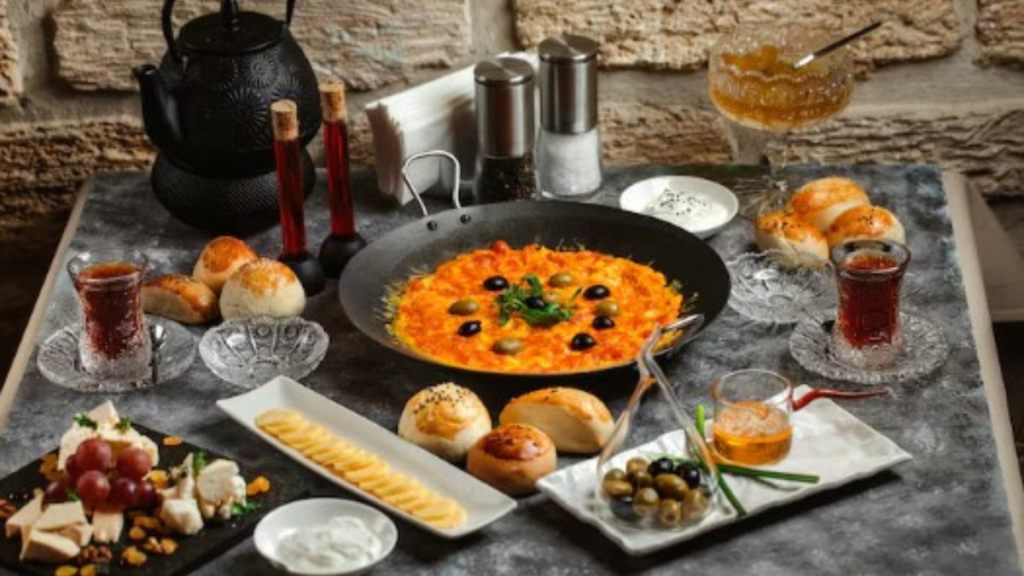
Imagine a dish that brings the warmth of family gatherings, the aroma of home-cooked meals, and a taste that dances on your palate. That’s Türk İdla for you—a culinary treasure from Turkey that has captivated hearts and taste buds alike. This delightful creation is much more than just food; it’s a story woven through generations, rich with history and tradition. As we dive into its origins, ingredients, variations across regions, and cultural significance, you’ll discover why Türk İdla deserves a special place at every table. So grab your fork and let’s explore this delicious journey together!
The History and Origins of Türk İdla
Türk İdla has a rich and captivating history that reflects the culinary traditions of Turkish culture. Its origins date back centuries when nomadic tribes roamed the vast Anatolian plains, relying on simple yet nourishing ingredients.
With influences from Central Asia to the Mediterranean, Türk İdla evolved as it traveled through various regions. Each community added its unique touch, ensuring diverse flavors and textures.
Historical records suggest that this dish was often prepared during communal gatherings and celebrations. It became a symbol of hospitality among families who took pride in sharing their recipes with friends and neighbors.
As trade routes expanded, so did the popularity of Türk İdla. Spices, herbs, and cooking techniques were exchanged along these paths, enriching its preparation methods over time. The result is a dish steeped in tradition but open to innovation—a true testament to Turkey’s vibrant food heritage.
Ingredients and Preparation of Türk İdla
Türk İdla boasts a delightful blend of wholesome ingredients. At its core, this dish features tender lamb or beef, simmered to perfection. Fresh vegetables like tomatoes and bell peppers add vibrancy.
Traditional spices play a crucial role too. Cumin, paprika, and black pepper create an aromatic symphony that enhances the meat’s flavor. Fresh herbs such as parsley and dill bring brightness to each bite.
The preparation process is equally important. After browning the meat in olive oil, layers of chopped onions are added until they become translucent. Then comes the layering of vegetables and spices—a dance of flavors building up in one pot.
Cooking Türk İdla requires patience as it simmers gently on low heat for hours. This slow cooking method allows all those rich flavors to meld together beautifully, resulting in a hearty meal that warms both body and soul.
Variations of Türk İdla in Different Regions
Türk İdla showcases a delightful range of variations across Turkey’s diverse regions. Each area adds its unique twist, reflecting local tastes and ingredients.
In the Aegean region, for instance, you might find it infused with olive oil and accompanied by fresh herbs like dill or mint. This version highlights lighter flavors that resonate well with the Mediterranean climate.
Moving to Eastern Anatolia, spicy peppers and robust spices take center stage. Here, Türk İdla becomes heartier, often served alongside rich meat dishes or yogurt sauces that complement its flavor profile.
The Black Sea region introduces an intriguing element: cornmeal instead of traditional flour. This variation lends a slightly different texture while maintaining the comforting essence of Türk İdla.
These regional adaptations not only celebrate local produce but also weave stories into every bite—stories laden with tradition and culture passed down through generations.
Cultural Significance of Türk İdla
Türk İdla is more than just a dish; it’s a cultural emblem that reflects the rich tapestry of Turkish heritage. This savory delight often graces family tables during special occasions, symbolizing togetherness and celebration.
Prepared with love, Türk İdla brings generations closer. Recipes are passed down through families, preserving stories and traditions. Each cook adds their unique touch, making it a canvas for personal expression.
In many regions of Turkey, Türk İdla serves as a centerpiece for gatherings. It encourages sharing and fosters community bonds over delicious bites. The act of preparing this dish can become an event in itself—friends and family unite to chop ingredients or roll dough together.
Its presence at weddings or festivals highlights its importance in marking significant life events. Through every bite of Türk İdla, one tastes not only flavor but history—an embodiment of culture that transcends time.
Modern Adaptations and Fusion Recipes
Modern adaptations of Türk İdla have taken the culinary world by storm. Chefs and home cooks alike are experimenting with flavors, textures, and presentation.
For instance, some variations incorporate exotic spices like saffron or cardamom. These elements blend seamlessly into the traditional recipe while adding a unique twist.
Another trend is the use of alternative grains such as quinoa or farro instead of the classic rice base. This not only alters the dish’s nutritional profile but also introduces new flavors.
Fusion recipes are popping up everywhere, merging Türk İdla with cuisines from around the globe. Think Greek yogurt drizzled on top for creaminess or a spicy salsa to kick things up a notch.
These innovations keep Türk İdla alive in today’s fast-paced food scene while honoring its rich heritage. It’s exciting to see how this beloved dish evolves over time!
The Future of Türk İdla
As culinary trends evolve, Türk İdla is finding new fans around the globe. Chefs and home cooks alike are experimenting with this traditional dish, incorporating modern techniques while respecting its roots.
Innovative variations are emerging in urban kitchens. Ingredients like quinoa or gluten-free flours offer a contemporary twist without losing the essence of Türk İdla. This adaptability opens doors for those with dietary restrictions to enjoy it too.
Social media platforms have become vital for sharing these adaptations. Food bloggers showcase their creations, inspiring others to try making Türk İdla at home. Visual appeal plays a significant role in catching attention and sparking interest.
Cultural exchanges continue to shape how we experience food today. As more people discover Turkish cuisine, there’s potential for Türk İdla to shine on international menus, bridging cultures through shared flavors and stories that resonate across borders.
Conclusion
Türk İdla is more than just a dish; it represents the rich tapestry of Turkish culture and culinary heritage. From its humble beginnings to its esteemed place on tables today, this savory delicacy continues to evolve while honoring traditions.
Its history reveals a fascinating journey through time, reflecting regional variations that bring unique flavors into play. The simple yet quality ingredients speak volumes about the care taken in preparation. As families gather around the table, Türk İdla serves as a reminder of shared moments and cherished recipes passed down through generations.
Modern adaptations will likely keep Türk İdla relevant for future generations. Chefs and home cooks alike are experimenting with fusion recipes, blending traditional elements with contemporary tastes.
The story of Türk İdla is ongoing—rich in flavor and cultural significance. Whether enjoyed at family gatherings or special occasions, it remains an essential part of Turkish gastronomy. Embracing both tradition and modernity ensures that Türk İdla will continue captivating palates for years to come.