
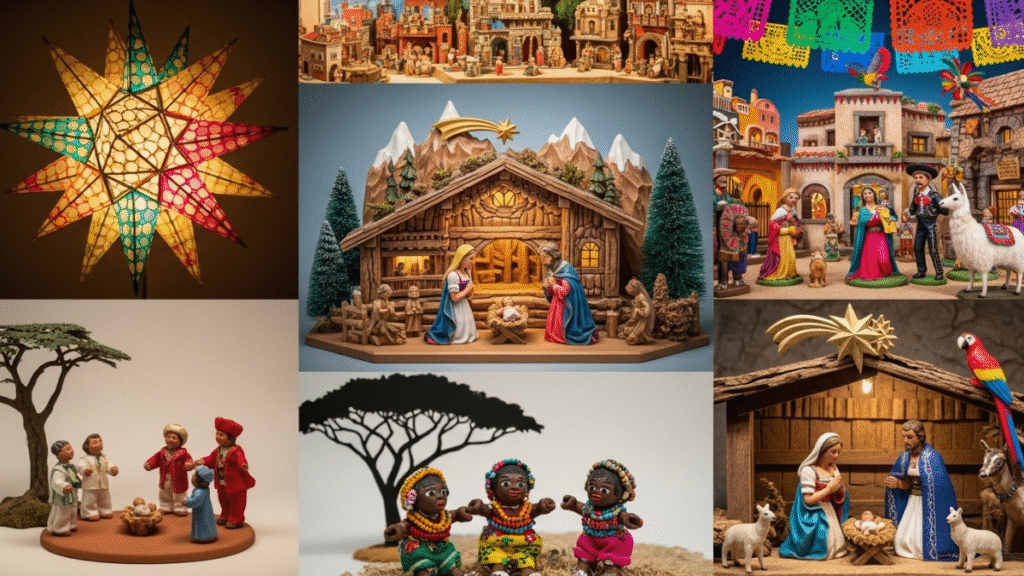
As the holiday season approaches, hearts and homes around the world fill with joy, warmth, and a touch of magic. The celebration of Nativität brings together diverse cultures, each adding its unique flavor to this cherished occasion. From twinkling lights to festive markets, every tradition tells a story—one that connects people across continents through shared values of love, giving, and community. Join us on a journey as we explore these fascinating customs that enrich our understanding of Nativität and highlight the beauty found in diversity during this special time of year.
Different traditions and celebrations in Europe:
Europe is a treasure trove of unique Nativität traditions. Each country adds its own flavor to the festive season, making it a delightful time for visitors and locals alike.
In Germany, the magic begins with Christkindlmarkt. These charming Christmas markets spring up in towns and cities, filled with handcrafted gifts and mulled wine. Advent wreaths also play an essential role, featuring four candles that are lit each Sunday leading up to Christmas.
Italy embraces the spirit through Presepe, intricate nativity scenes that capture the essence of Jesus’s birth. La Befana, an enchanting witch who delivers gifts on Epiphany Eve, adds another layer of excitement for children.
Spain offers vibrant celebrations like Belén, where communities reenact the Nativity story through lively plays. The festivities peak with Los Reyes Magos on January 6th when children receive presents from the Three Kings.
Each tradition tells a story steeped in history and cultural significance.
– Germany: Christkindlmarkt and Advent wreaths
Germany truly embraces the spirit of Nativität with its enchanting traditions. Among these, the Christkindlmarkt stands out as a festive highlight. These Christmas markets spring up in towns and cities across the country, transforming public squares into winter wonderlands filled with twinkling lights and delightful aromas.
At these markets, vendors offer handcrafted ornaments, delicious gingerbread, and steaming mugs of glühwein. The atmosphere is abuzz with laughter and holiday cheer.
Another cherished tradition is the Advent wreath. Families gather to create an arrangement of evergreen branches adorned with four candles. Each Sunday leading up to Christmas, one candle is lit during a cozy gathering that fosters togetherness and reflection on the season’s meaning.
These customs not only celebrate Nativität but also strengthen bonds among family members and communities alike. They weave warmth into Germany’s cold December nights through shared experiences and timeless rituals.
– Italy: Presepe (Nativity scene) and La Befana
In Italy, the celebration of Nativität takes on a vibrant and heartfelt form through the tradition of Presepe. These intricate nativity scenes are more than just decorations; they tell stories. Each figure is carefully crafted, often representing local culture alongside traditional biblical characters.
Families often gather to create their own unique displays, placing them in homes or public squares. The artistry involved can be astonishing, with some presepi featuring moving parts and elaborate backdrops that transport viewers right into Bethlehem.
Another beloved Italian tradition is La Befana. This enchanting character visits children on Epiphany Eve, bringing gifts and sweets to those who have been good throughout the year. With her broomstick in hand and a sack full of goodies slung over her shoulder, she makes for an exciting end to the holiday season.
Together, these customs beautifully embody Italy’s rich cultural tapestry during the festive time surrounding Nativität.
– Spain: Belén (Nativity play) and Los Reyes Magos (Three Kings Day)
In Spain, the Nativität is celebrated with vibrant traditions that bring communities together. One of the most cherished customs is the Belén, a nativity play that reenacts the birth of Jesus. Families and schools come alive with creativity as they create elaborate displays featuring figurines set in scenic backdrops. These tiny villages often include intricate details like moving elements and even live animals.
As January approaches, anticipation builds for Los Reyes Magos or Three Kings Day. This festive occasion occurs on January 6th and marks the arrival of the Wise Men bearing gifts for baby Jesus. Children eagerly await this day, leaving their shoes out to receive presents during nighttime celebrations.
Festivities culminate in parades filled with color and music where Melchor, Gaspar, and Baltasar ride through towns throwing sweets to excited crowds. The joy resonates deep within Spanish culture during this time of year.
Celebrations in South America:
In Mexico, the festive spirit of Las Posadas brings communities together. This nine-day celebration re-enacts Mary and Joseph’s search for shelter. Families gather each evening to sing carols and share traditional foods. The piñata adds a playful touch, filled with goodies for children to enjoy.
Nochebuena, or Christmas Eve, is equally special in Mexico. Families attend midnight Mass before coming home to feast on delicious dishes like tamales and bacalao. It’s a time for heartfelt reunions that echo through generations.
Brazilian celebrations are vibrant as well. Folia de Reis marks the journey of the Three Wise Men with music and dance in the streets. Groups dressed as kings parade from house to house, singing joyful melodies.
Papai Noel also makes an appearance in Brazil’s festivities, blending local customs with global traditions while spreading cheer among children eagerly awaiting gifts during this magical season.
– Mexico: Las Posadas and Nochebuena
In Mexico, the holiday season is a vibrant tapestry woven with traditions like Las Posadas and Nochebuena.
Las Posadas takes place over nine nights leading up to Christmas. Families reenact Mary and Joseph’s search for shelter before Jesus’ birth. Each evening, participants gather for prayers, songs, and festive spirit as they visit homes in their neighborhoods.
The festivities culminate on December 24th with Nochebuena. This night is all about family gatherings and sumptuous feasts. Traditional dishes such as tamales and bacalao are served alongside warm drinks like ponche.
It’s a time filled with laughter, joy, and sometimes a piñata or two! As midnight strikes, many families attend Mass to celebrate the arrival of Christ. The warmth of community shines bright during these special days in Mexico’s rich cultural landscape.
– Brazil: Folia de Reis and Papai Noel
Brazilian celebrations of Nativität are vibrant and full of life. One of the most cherished traditions is Folia de Reis, which takes place from January 6th to January 19th. This festival honors the Three Wise Men who visited baby Jesus. Groups dressed as kings travel from house to house singing traditional songs and collecting donations in exchange for blessings. The spirit of community shines through this celebration.
Another beloved figure during this festive season is Papai Noel, Brazil’s version of Santa Claus. Unlike his North American counterpart, Papai Noel arrives on a sleigh pulled by reindeer or sometimes even camels. He brings gifts not just for children but also spreads joy across communities.
Throughout Brazil, you can feel the lively atmosphere and hear music echoing through neighborhoods as families come together for feasts filled with delicious food. These rich cultural expressions highlight the warmth and unity that characterize Brazilian festivities surrounding Nativität.
From Europe to South America, each region adds its unique touch to these age-old traditions. As we celebrate Nativität across different cultures, we’re reminded that love and joy at this time resonate everywhere around the globe.