
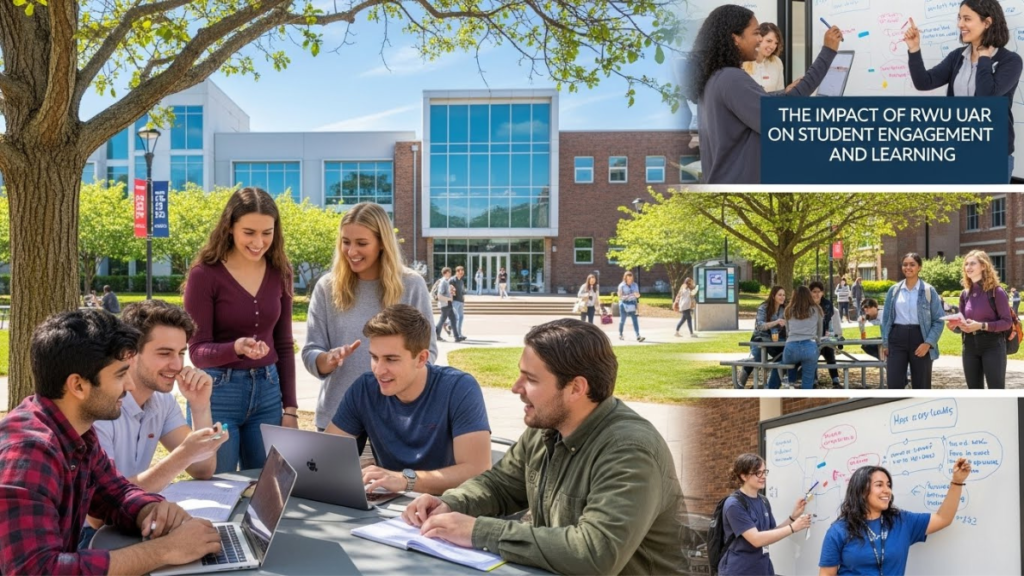
Imagine a classroom where every student feels valued, engaged, and motivated to learn. This is the vision behind RWU UAR—an innovative approach reshaping student engagement and learning experiences across educational institutions. As educators seek to create more inclusive environments, RWU UAR stands out as a powerful tool that fosters collaboration and enhances participation among students. But what exactly is it? And how can it transform the way we think about education? Let’s delve into this exciting topic and uncover its potential impact on our future learners.
What is RWU UAR?
RWU UAR, or Roger Williams University Universal Academic Requirements, is a framework designed to enhance student engagement and academic performance. This innovative approach emphasizes active learning and collaboration within diverse classroom settings.
At its core, RWU UAR integrates various teaching strategies that cater to different learning styles. It promotes flexibility in curriculum design while maintaining high educational standards.
The model encourages faculty to create inclusive environments where students can thrive. By prioritizing real-world applications and interdisciplinary projects, RWU UAR fosters critical thinking and problem-solving skills among learners.
This initiative aims to prepare students not just for exams but for meaningful contributions in their future careers. The focus on adaptability in teaching methods ensures that every learner’s voice is heard and respected throughout their academic journey.
Benefits of RWU UAR for Student Engagement
RWU UAR transforms the educational landscape by fostering a vibrant environment for student engagement. It encourages active participation, allowing students to take charge of their learning experiences.
This approach cultivates a sense of ownership among learners. When students feel empowered, their motivation soars. They become more invested in course material and classroom discussions.
Moreover, RWU UAR promotes collaboration. Students often work together on projects or research initiatives, sharing diverse perspectives that enrich their understanding. This communal aspect enhances critical thinking skills and fosters meaningful relationships.
Another benefit lies in personalized learning pathways. RWU UAR allows educators to tailor instruction based on individual needs and interests, making lessons relevant and exciting.
Through increased interaction with faculty and peers alike, students develop essential communication skills that extend beyond academics. These benefits create a dynamic atmosphere where engagement flourishes naturally.
Case Studies: Schools Using RWU UAR with Positive Results
Several schools have embraced RWU UAR with remarkable outcomes. One notable example is a mid-sized university in the Northeast that integrated this approach into its curriculum. Faculty reported heightened student participation and enthusiasm during classes.
Another case involved a community college implementing RWU UAR to enhance its advising process. Advisors noted improved communication, leading to increased retention rates among students from various backgrounds.
A high school in California adopted RWU UAR as part of its project-based learning initiatives. Students thrived under this model, showcasing stronger collaboration skills and critical thinking abilities on group assignments.
These success stories highlight how diverse educational institutions can adapt RWU UAR to fit their unique environments while fostering deeper engagement among students. The positive results underscore the potential for transformative change when educators embrace innovative approaches like RWU UAR.
Challenges and Limitations of Implementing RWU UAR
Implementing RWU UAR presents several challenges that educators and institutions must navigate. One significant hurdle is the existing infrastructure. Many schools might lack the necessary technological resources to effectively adopt this approach.
Another obstacle is training staff. Teachers need adequate preparation to effectively utilize RWU UAR strategies in their classrooms. Without proper training, even the best systems can fall flat.
Resistance from students can also be an issue. Some learners may feel apprehensive about new methods of engagement and prefer traditional learning styles.
Additionally, measuring success can prove complex. Establishing clear metrics for assessing the impact of RWU UAR on student engagement requires time and effort, which not all institutions have readily available.
Budget constraints often limit potential implementation efforts. Schools may find it difficult to allocate funds for new programs amid competing financial priorities.
Strategies for Successful Implementation
Successful implementation of RWU UAR hinges on clear communication. Ensure all stakeholders understand its purpose and benefits. Create informational sessions for faculty, students, and administrative staff to foster buy-in.
Training is equally crucial. Provide workshops that equip educators with the tools to integrate RWU UAR effectively into their teaching methods. This hands-on approach builds confidence in using new strategies.
Encourage collaboration among departments to share best practices and resources. Establishing a community around RWU UAR promotes innovation and support.
Regular feedback loops are essential too. Collect input from students and faculty about their experiences with the system. Use this information to make timely adjustments that enhance engagement.
Celebrate small victories along the way. Recognizing progress keeps motivation high and shows tangible results from implementing RWU UAR across campus initiatives.
How to Measure the Impact of RWU UAR on Student Learning
Measuring the impact of RWU UAR on student learning requires a multi-faceted approach. Start with qualitative assessments like surveys and interviews. Gathering feedback from students can reveal their perceptions and experiences.
Quantitative data is equally important. Examining grades, attendance rates, and participation levels provides hard evidence of engagement. Look for trends over time to understand long-term effects.
Another effective method is comparing cohorts before and after implementing RWU UAR strategies. This allows educators to see tangible changes in academic performance or social interaction.
Incorporating technology can streamline this process too. Learning management systems often include analytics tools that track student progress in real-time.
Don’t forget about peer reviews among faculty members as well; they offer valuable insights into teaching effectiveness linked to RWU UAR methods. Combining these approaches creates a comprehensive picture of how RWU UAR influences learning outcomes.
Future Implications and Possibilities for RWU UAR
The future of RWU UAR looks promising. As technology continues to evolve, so do the opportunities for enhancing student engagement and learning experiences.
With advancements in artificial intelligence and data analytics, RWU UAR can provide even more personalized learning pathways. This means tailoring educational content to meet individual student needs more effectively.
Additionally, as collaborative tools become increasingly sophisticated, students could engage with their peers across various disciplines through RWU UAR systems. This cross-pollination of ideas fosters creativity and innovation.
Institutions might also explore integrating virtual reality elements into RWU UAR frameworks. Imagine immersive environments that simulate real-world challenges relevant to a student’s field of study.
As these possibilities unfold, ongoing research will play a crucial role in shaping best practices. The evolution of RWU UAR is an exciting journey worth watching closely by educators and institutions alike.
Conclusion
RWU UAR has emerged as a transformative educational tool, fostering increased student engagement and deeper learning experiences. Its integration into academic environments offers numerous benefits, including enhanced collaboration and personalized support for learners. Schools that have adopted RWU UAR showcase inspiring success stories, but it’s essential to consider the challenges associated with its implementation. By strategically addressing these obstacles, educators can optimize the impact of RWU UAR on their students.
Measuring the effects of this approach will be crucial in understanding its long-term value in education. As institutions continue to explore innovative practices like RWU UAR, they open doors to new possibilities for enhancing student engagement and ultimately improving learning outcomes.
The future looks promising for RWU UAR as more schools realize its potential. Embracing this model may pave the way toward a more interactive and responsive educational landscape where every student’s voice is heard and valued. With ongoing commitment from educators, students can thrive in an environment tailored to meet their diverse needs.